

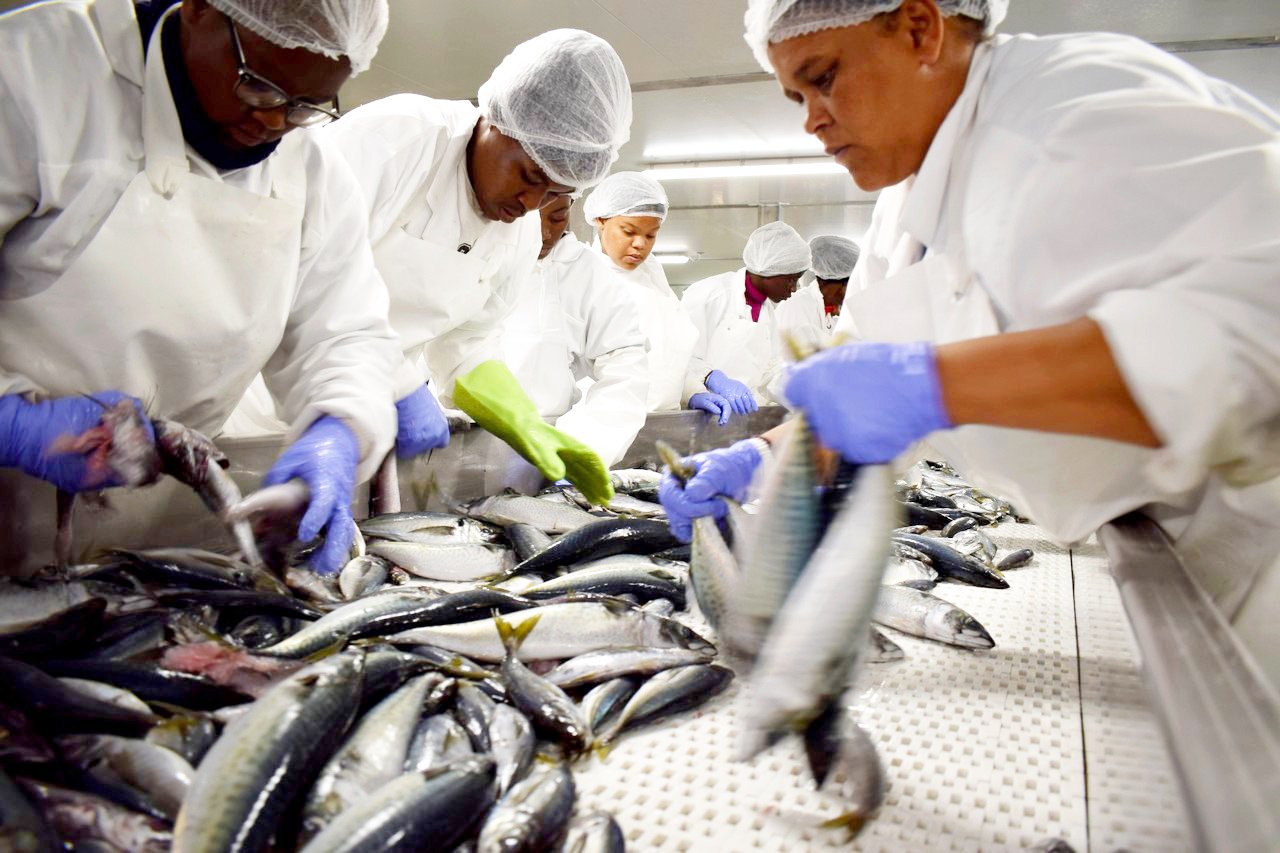
Namibia’s recent decision to temporarily relax trawling limits for the wet-landed horse mackerel subsector, allowing fishing in shallower waters from the 200-metres isobath to 150 metres, has sparked significant debate within the industry and raised questions about its alignment with international trade rules. The Ministry of Agriculture, Fisheries, Water and Land Reform recently reduced the Total Allowable Catch (TAC) for horse mackerel for the 2026 fishing season by 5% to 197 000 metric tons, citing it as a “proactive” measure.
However, this quota reduction sends a mixed signal compared to the relaxation of fishing depth limits, creating a question about Namibia’s sustainability efforts.
“The total non-commercial harvesting quota for the 2026 season is at 69 706.01 metric tonnes (MT), which constitutes 35% of the TAC freezer: 59 186.22 MT and wet: 10 519.79 MT,” the ministry stated.
While not a direct financial handout, critics argue this regulatory change could function as an “in-kind” subsidy, potentially falling afoul of the World Trade Organisation’s (WTO) Agreement on Fishing Subsidies by artificially increasing fishing capacity and undermining sustainability efforts in an already overcapitalised fishery.
The move, approved by Cabinet, grants exclusive access to a select group of vessels for a 12-month period, effective during May and April. Cabinettemporarily relaxed trawling limits for wet-landed horse mackerel, allowing fishing up to 150 meters deep instead of the previous 200-metres isobath restriction. This relaxation grants exclusive access to a “very small group” of wet-landed horse mackerel vessels. A significant portion of the Namibian fishing industry and fisheries science community is deeply concerned, warning of “significant ecological, economic, and social consequences” from opening the 200-metres restriction area.
Critics argue that granting access to biologically critical spawning and nursery grounds can be interpreted as an “in-kind” subsidy, reducing costs for operators and increasing effective fishing capacity. The WTO Agreement on Fishing Subsidies aims to curb practices that perpetuate overfishing, including those that enhance capacity in overfished or overcapitalized stocks.
The 200-metres isobath has historically served as a boundary, protecting shallower waters that often function as crucial spawning and nursery areas for marine life. Cabinet’s decision to allow trawling up to 150 meters specifically targets the wet-landed horse mackerel subsector. This temporary change, effective for one year, is intended to apply only to this specific segment of the fishery.
While the relaxation of fishing limits does not involve direct cash transfers or tax breaks, it is being scrutinised through the lens of “in-kind” subsidies. The WTO’s Agreement on Subsidies and Countervailing Measures recognises that subsidies can take the form of “specific advantages,” not solely monetary payments. In addition, granting access to a previously protected, biologically critical area effectively lowers operational costs for fishing companies by reducing the need to fish further offshore or invest in alternative methods. This also increases effective fishing capacity in a fishery already deemed “highly overcapitalised.”
The WTO Agreement on Fishing Subsidies explicitly bans subsidies that support fishing on overfished stocks (unless for rebuilding purposes), illegal fishing, or fishing in unregulated high seas. While the agreement doesn’t use the term “in-kind subsidy,” the conceptual alignment suggests that such regulatory decisions could be seen as distorting the market and privileging incumbent operators at the expense of long-term sustainability.
Meanwhile, Namibia’s horse mackerel fishery is considered “highly overcapitalised,” meaning there is an excess of fishing vessels and gear relative to the sustainable catch levels.
Governments sometimes respond to overcapitalisation by loosening restrictions or increasing quotas, often to preserve jobs and mitigate the economic impact of sunk costs in fleets. However, under WTO logic, this can be interpreted as a capacity-enhancing subsidy, which perpetuates overfishing and undermines sustainability. – ebrandt@nepc.com.na