
Rudolf Gaiseb
The United Nations Gender Theme Group (UNGTG) states that artificial intelligence (AI) is being weaponised against journalists.
It was reported that 65% of Namibian women social media users have experienced online abuse, and journalists are among the most affected.
Then again, there is a surge in AI-generated content, deepfakes, and manipulated images that are used to damage the reputations of female journalists and spread false narratives.
“These tactics erode trust in journalism and compromise public discourse,” United Nations Population Fund (UNFPA) representative to Namibia and Chairperson of the UNGTG, Erika Goldson, said.
She said that when women journalists are silenced or discredited through online abuse, society loses vital voices that hold power to account and amplify marginalised perspectives.
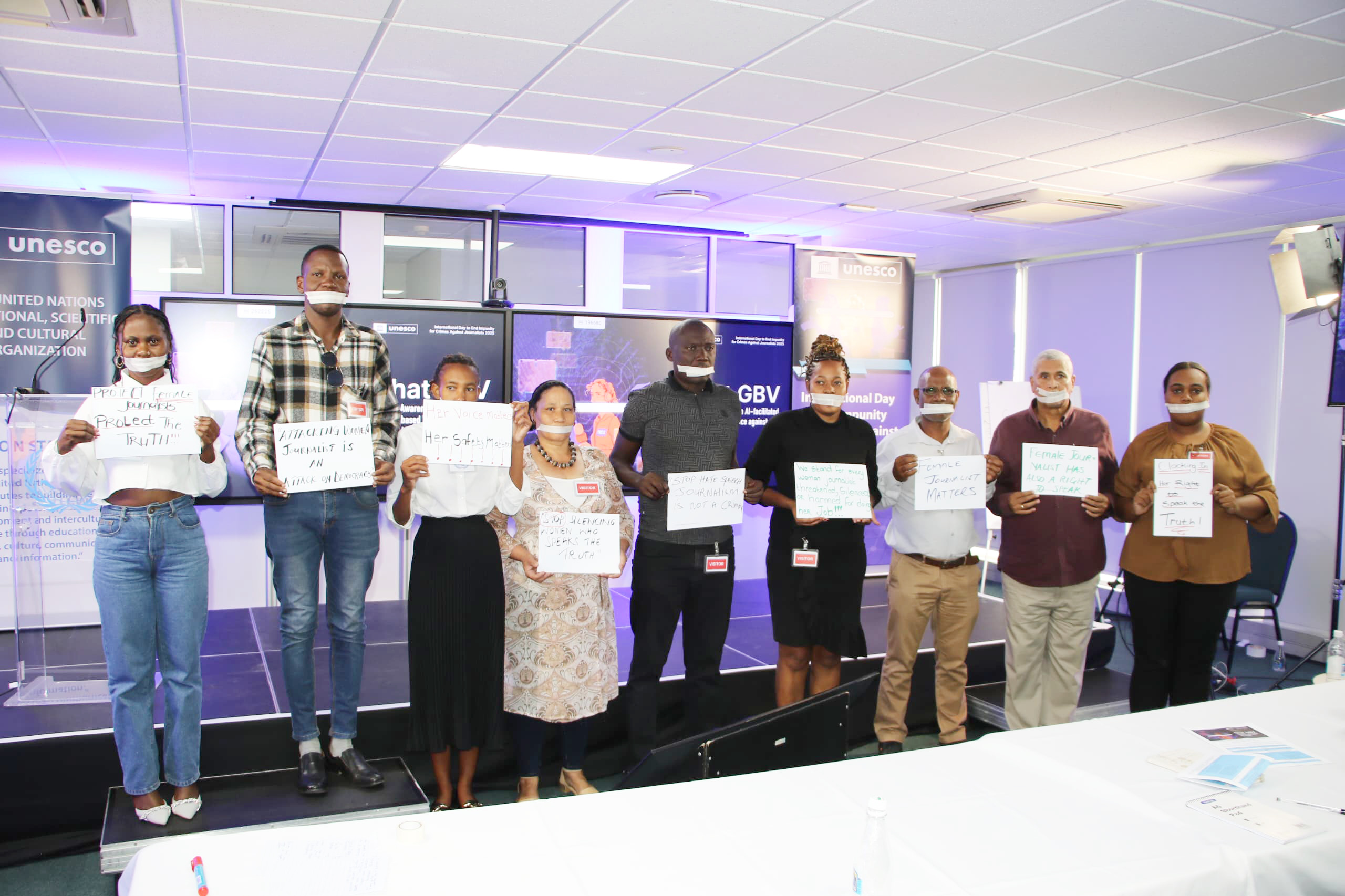
The United Nations held a workshop last week. In line with the National Commemoration of the International Day to End Impunity for Crimes Against Journalists (IDEI), it was held under the theme ‘Chat GBV: Raising Awareness on AI-Facilitated Gender-Based Violence Against Female Journalists’.
The cited study was conducted in 2022 by the Internet Society Namibia Chapter and shows that 53.5% of experienced online abuse was perpetrated by men.
Women were responsible for 11.3% of the online violence experienced.
While 29.6% reported that both men and women were responsible for the online aggression they encountered.
A different study in 2024 by researcher Itai Zviyita and professor Admire Mare found that these attacks are frequent, gendered, and deeply harmful.
The study, “Same threats, different platforms? Female journalists’ experiences of online gender-based violence in selected newsrooms in Namibia”, also notes that it often occurs when women journalists report on politics, gender, or governance.
Meanwhile, United Nations Educational, Scientific and Cultural Organisation head of office and representative to Namibia Eunice Smith added, however, that GBV, for which women in general are at the receiving end, needs a multipronged approach to solve.
The issue must be tackled through stakeholder collaboration, dialogues and training, she stated.
Smith said training local Namibian journalists on how to navigate AI-driven threats, strengthen their digital safety practices, and uphold ethical journalism in an evolving media landscape is on the agenda.
Smith also indicated they will continue to work closely with the Ministry of Information and Communication Technology, media institutions, civil society, academia, and the UN system to regain Namibia’s top position in Africa when it comes to ‘freedom of press’.
Namibia stands at number two.
The mechanisms involve strengthening laws that protect press freedom, including the Access to Information Act and the Community Media Policy, currently under review by the National Planning Commission.
“We support training and development for media professionals and reinforce partnerships that ensure journalists can work safely, independently and without fear or intimidation,” she said.
Moreover, the experts and partners agreed that journalists across the country and law enforcement need to be equipped with tools to prevent and respond to online threats.
This includes efforts to criminalise online abuse and advocate for legal and policy frameworks that address technology-facilitated GBV.
Additionally, the workshop urged building solidarity networks, so women journalists are supported, not isolated.