

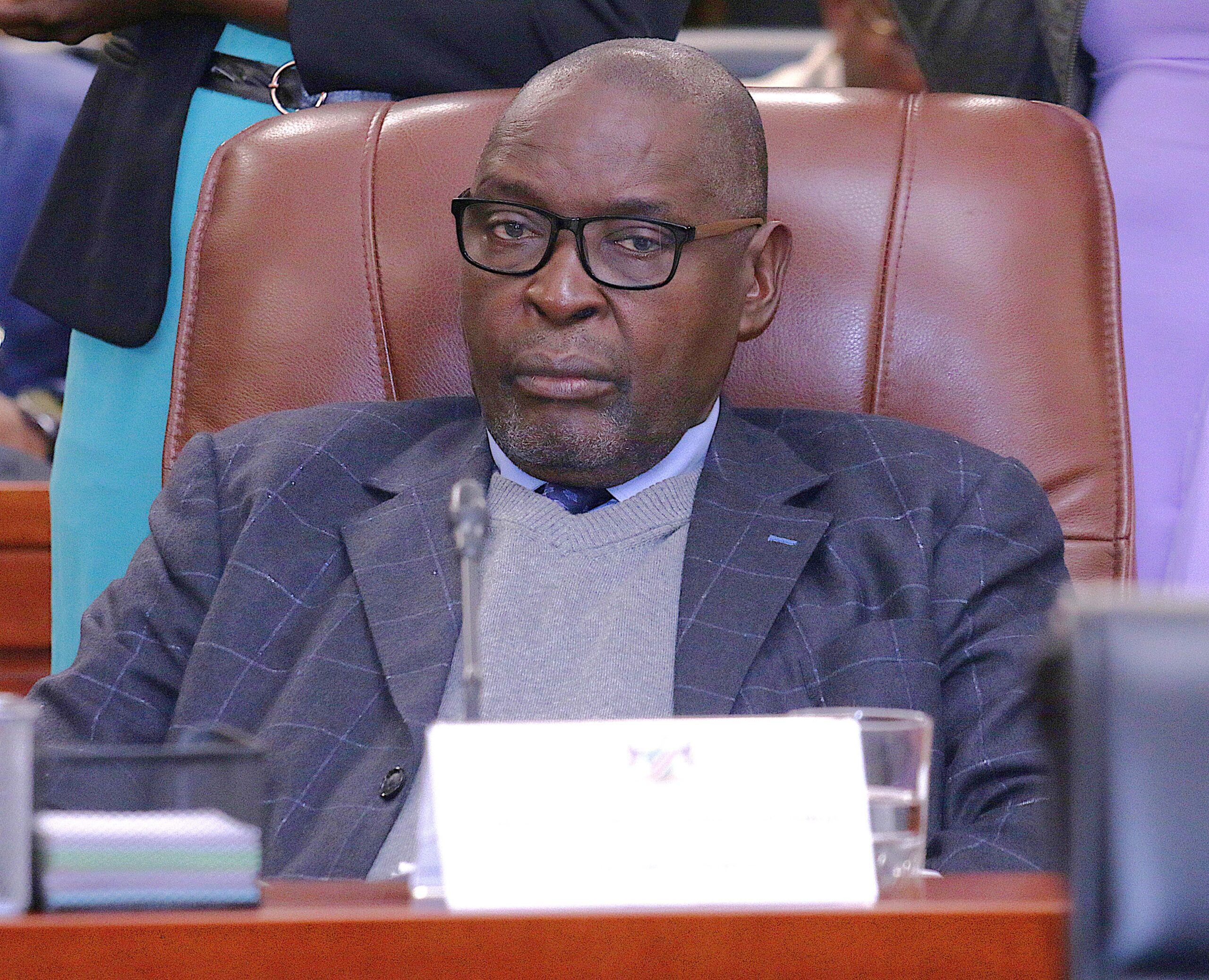

KEETMANSHOOP – Minister of Urban and Rural Development (MURD), James Sankwasa, has underscored the need for traditional leaders to familiarise themselves with both customary and statutory laws to better serve their communities.
Sankwasa made these remarks in a statement delivered on his behalf during the official opening of a five-day legal framework training workshop for traditional leaders, members of the Council of Traditional Leaders, and secretaries. The training commenced yesterday in Keetmanshoop.
“This training aims to strengthen your understanding of the legal landscape, empowering you to navigate it effectively and serve your communities more efficiently,” he stated.
“By fostering a stronger understanding of the law, we aim to improve the quality of governance and ensure the protection of the rights of all citizens,” Sankwasa added.
The minister urged traditional leaders and secretaries to carry out their duties as set out in the Traditional Authorities Act, 2000 (Act No. 25 of 2000). He reminded them to uphold national values, laws and policies, and to work in close cooperation with the government at all levels.
Sankwasa also expressed concern about the persistent disputes over leadership succession, noting that such conflicts have become increasingly common.
“These divisions create unnecessary disunity and prevent communities from progressing. We must safeguard the legacy of peace and unity that our departed leaders worked so hard to instil, for the collective benefit of all community members,” he emphasised.
He urged participants to take the training seriously and to apply the knowledge gained in order to serve their communities in strict accordance with the law.
In his maiden address, //Kharas regional governor Dawid Gertze reflected on the challenges facing traditional leadership, calling for a multifaceted and informed approach.
“Leadership is fundamentally about service to the people we lead—about making decisions that serve their best interests, not the other way round,” he said.
Referring to President Netumbo Nandi-Ndaitwah’s directive for all citizens to be served without discrimination, Gertze reminded leaders that fostering unity is key to achieving shared objectives aimed at improving the living conditions of communities.
He also extended an open invitation to the public to approach his office without hesitation: “Let us engage in open and constructive dialogue on development matters. We must recognise that what affects one of us, affects us all.”
//Kharas Regional Council chairperson, Joseph Isaacks, in his welcoming remarks, said the workshop represents a significant step towards strengthening governance and fostering a deeper understanding of the legal frameworks underpinning traditional authority roles.
“Let us embrace this opportunity to learn, share and strengthen the bonds that unite us, as we work towards building a brighter future for the communities we serve,” he advised.
Photo: Heather Erdmann