

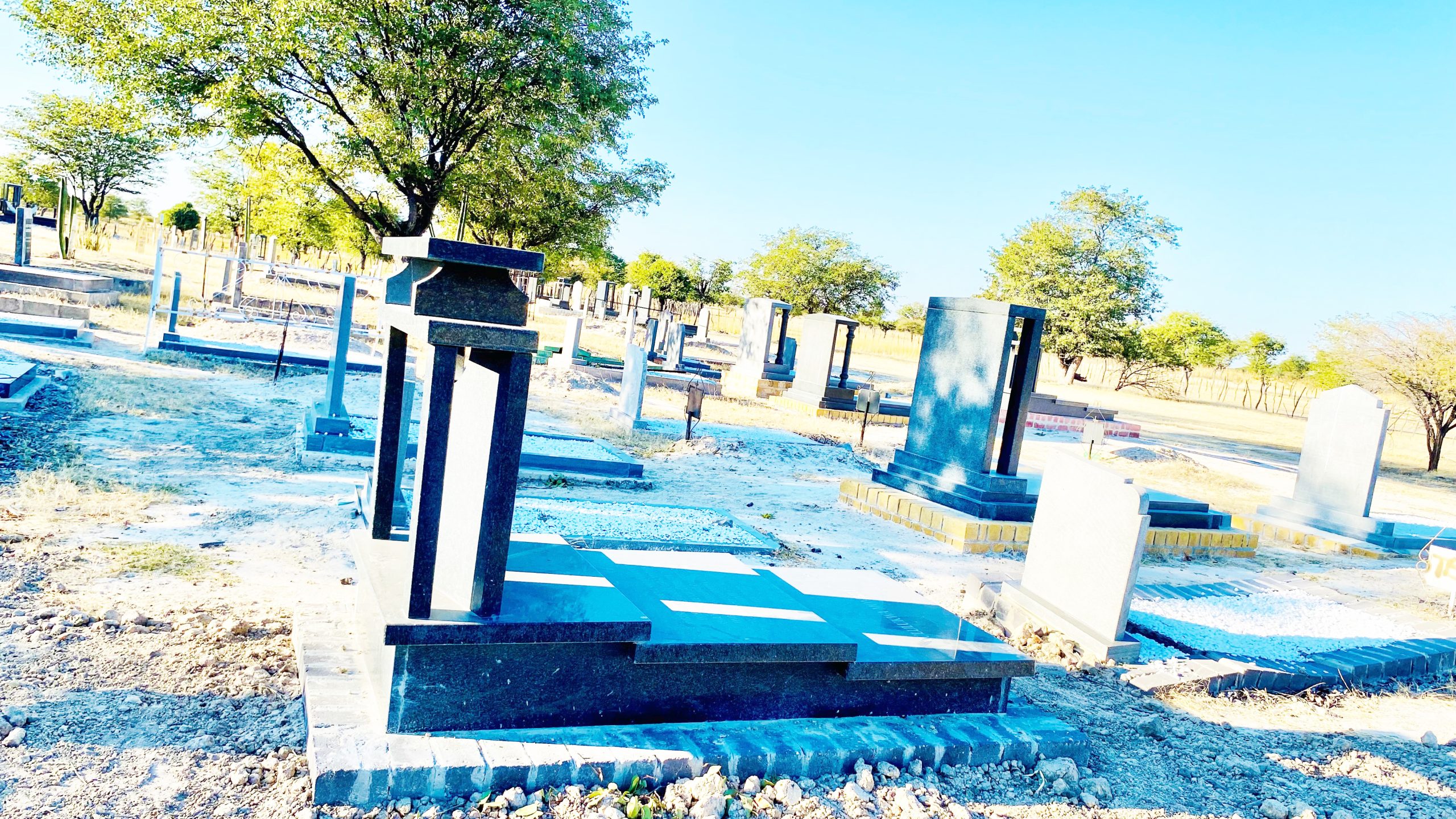

ONGWEDIVA – The practice of cremation has sparked widespread debate in Namibia, with religious and traditional leaders, undertakers and residents expressing sharply divided views on whether it should be accepted.
While some argue that cremation offers practical and economic benefits in a changing society, others believe it undermines cultural values, religious teachings and the dignity of the dead.
The debate follows proposals encouraging residents to consider cremation as an alternative to traditional burials, amid concerns about rising funeral costs and limited burial space in urban areas.
However, the proposals have been met with strong resistance from several religious and traditional leaders who insist that burial remains the only acceptable practice.
“Cremation is not right according to our beliefs. There is enough space, and families can be buried together. As many as ten people can be buried in one grave,” said pastor Laban Mwashekele of the Evangelical Baptist Church in Namibia.
He questioned why a body should be cremated, stressing that human dignity must be respected even after death.
“Why would a body be cremated? Human dignity should be respected,” he said.
Mwashekele continued that in the past, bodies were sometimes buried in the bush due to smaller populations but said this should not be used to justify burning bodies today. He emphasised that burial traditions existed long before land pressure became a concern.
Like Mwashekele, Uukolonkadhi Traditional Authority spokesperson Andreas Amunyela rejected cremation, describing it as foreign to their culture.
“We do not have such a practice and we do not know it. We only hear that it is practised by white people abroad. It is not right,” Amunyela said.
Ondonga Traditional Authority spokesperson Frans Enkali said cremation is traditionally not practised among his people but acknowledged that it may occur with family consent.
“This practice depends on individuals and families. It is not forced. People from different religions have different beliefs,” Enkali said.
Reverend Tarah Shalyefu of the Anglican Church, however, said cremation is not condemned by the Bible and is acceptable within Anglican teachings.
“In the Anglican denomination, we do not have a problem with the body being cremated,” Shalyefu said.
Some people, he added, believe burial is disrespectful because the body decomposes and is eaten by insects, making cremation a preferable option.
Ongandjera Traditional Authority spokesperson Shiimi Shangula said cremation is not culturally recognised among his people, as many families need to see the body to heal.
“Most people only heal after seeing the body of their loved one,” Shangula said.
He added that because life is changing, cremation may be considered in the future due to population growth.
“The population is growing, but the land does not grow. Any change will depend on how the community accepts it,” he said, noting that land in northern Namibia remains sufficient.
An undertaker, who spoke on condition of anonymity, said the funeral industry does not support cremation as it would reduce demand for burial-related services.
“If cremation becomes common, undertakers will lose customers because there will be no need for coffins, tombstones or full burial services,” the undertaker said.
Meanwhile, a resident, Rosalia Ekongo, supported cremation, saying it could help reduce inequality between the rich and the poor.
“Funerals have become very expensive. Poor families struggle to buy coffins and tombstones, while rich families can afford luxury funerals,” Ekongo said.
She said cremation could offer a more affordable and dignified option for grieving families.
“In death, everyone should be equal, regardless of money,” she said.