


Monika Amunyela
The fight for Namibia’s freedom from colonial rule was championed by young men and women at the times, who played a major role in shaping the country’s political and social landscape.
Some major youth events that took place prior independence included the 1971–1972 contract workers strike, the 1973 school boycotts against the Bantustan policies, the 1976 student strikes in mission schools, the formation of the Swapo Party Youth League in 1974, the establishment of the Namibia National Students Organisation (Nanso) in 1984, and the nationwide school boycott of 1988 involving 75 000 students.
These events mainly explored topics of political freedom, independence, and basic human rights.
Rosa Namises, a veteran youth activist during the liberation struggle, reflects on the importance of independence for youth.
She expressed that the dream many young activists held during the struggle has not been fully realised.
She said independence was supposed to bring significant economic and social change, especially for young people.
However, she stated that many communities still rely on limited opportunities, which she describes as “more people lining up either for a bag of maize meal or for food in exchange for work.”
Namises also expressed concerns regarding employment and youth development, stating that young people face difficulties due to limited opportunities for meaningful work and training. When asked about freedom of speech, she acknowledged that people can now speak more openly than before independence, saying, “We have freedom of speech, we speak, but it’s falling on deaf ears.”
Young people today
In contemporary Namibia, youth activism has shifted from liberation struggles to addressing social and economic challenges.
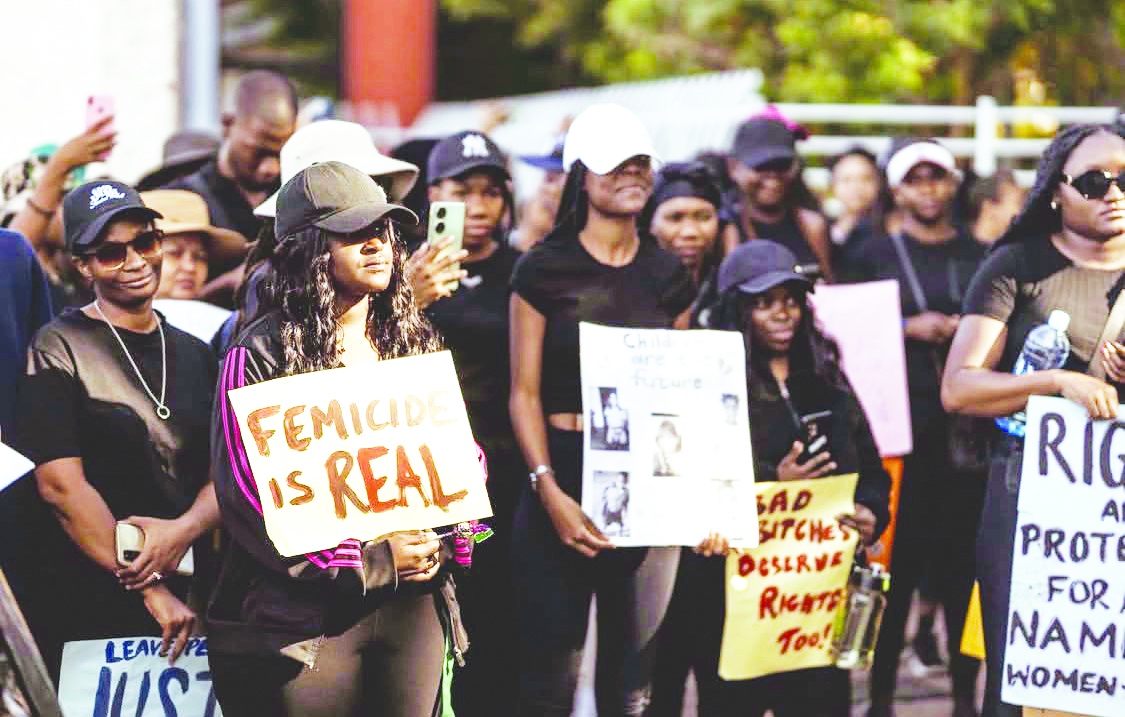
Notable recent events include the 2017 NSFAF student protests over delayed financial aid, the 2018 demonstrations organised by Nanso, the 2020 #ShutItAllDown protests against gender-based violence, the 2020 Twaloloka settlement fire mobilisation, and ongoing campaigns by Affirmative Repositioning advocating for land and economic justice.
Unlike earlier protests centred on colonial independence, current youth movements aim to build an equal society within an independent Namibia.
Angelina Immanuel, a contemporary youth activist, views independence as a foundation for opportunities. She also acknowledges the ongoing challenges the country is facing.
“Namibia’s independence means the freedom for young people to dream beyond the limitations our parents faced during colonialism,” she said.
She stressed the importance of civic participation and accountability for youth and those in power.
When asked about her view on freedom of speech, she said it “means having the ability to question ineffective systems and contribute ideas that can help advance the country.”
She also addressed the ongoing economic challenges faced by many young people, noting that “youth unemployment remains one of Namibia’s biggest challenges.”
Comparing the perspectives of Namises and Immanuel reveals a generational shift in youth activism.
The older generation primarily fought for political freedom and national independence. Today, young people emphasise economic justice, social equality, and employment opportunities. Although these youth-led movements have different goals, they all share a common fight for independence, whether for their country or for youth freedom from unemployment, fair participation in issues that directly impact them, and better opportunities.
-mamunyela@nepc.com.na