

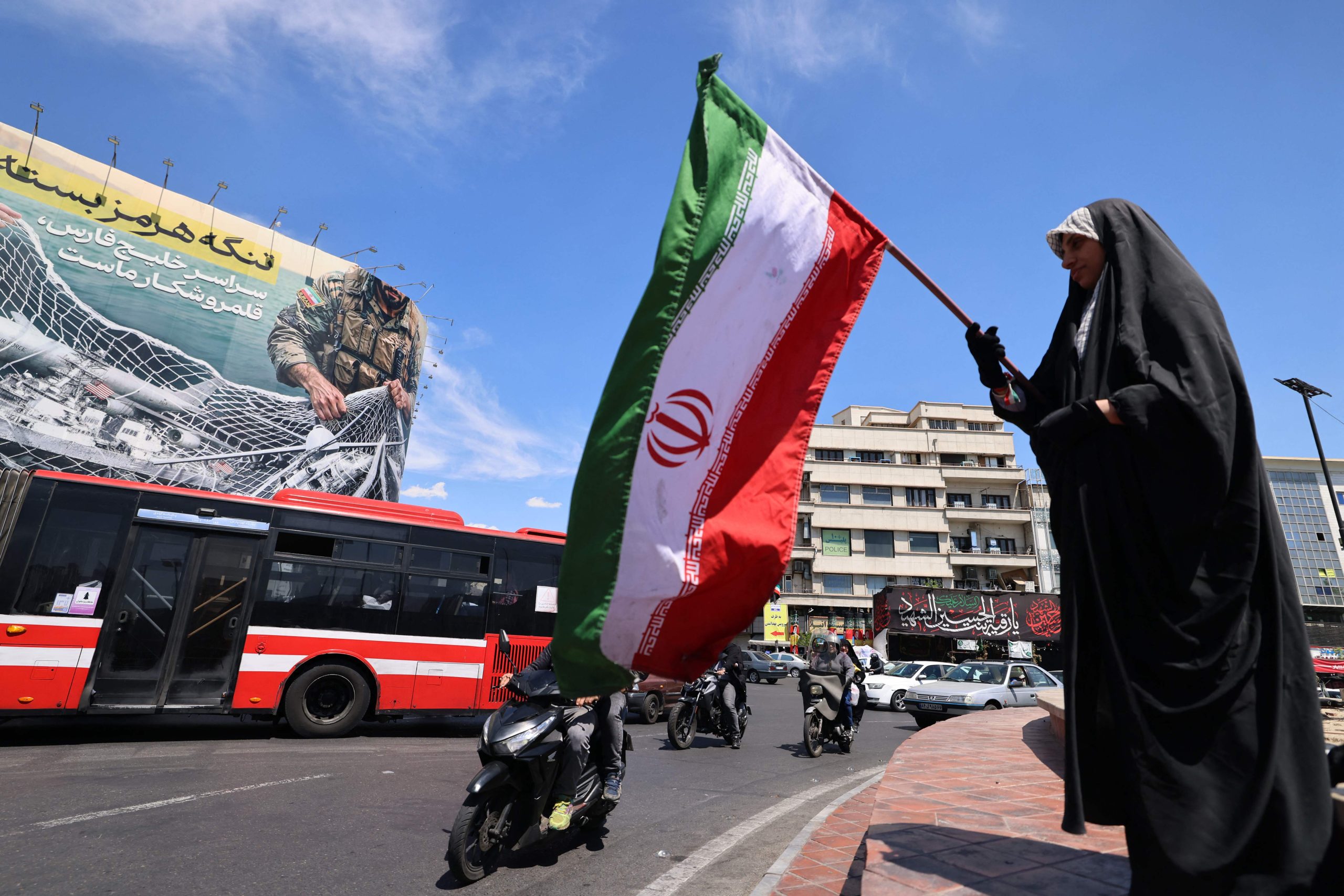

TEHRAN – Iran and the United States failed to strike a deal Sunday to end the war in the Middle East, but there was no immediate return to hostilities and the region clung to hope that a fragile truce would hold.
US Vice President JD Vance left Pakistan after the talks — the highest-level meeting between the two sides since the 1979 Islamic revolution and warned that Washington had made Tehran its “final and best offer” for a deal.
“We leave here with a very simple proposal,” he said. “We’ll see if the Iranians accept it.”
Iran’s parliamentary speaker Mohammad Bagher Ghalibaf said his negotiating team “put forward constructive initiatives but ultimately the other side was unable to gain the trust of the Iranian delegation in this round of negotiations”.
The failure of the talks will raise concerns that a return to fighting could drive world energy prices higher and further damage shipping and oil and gas facilities in the Gulf.
But Saudi Arabia’s energy ministry said Sunday its key east-west oil pipeline was back in service after it was damaged in earlier strikes, and Qatar’s transport ministry said it was lifting some restrictions on Gulf shipping.
Pakistan, which hosted the talks and whose leadership had ushered the rival sides to the table, said it would keep facilitating dialogue and urged both countries to continue respecting the temporary truce.
“It is imperative that the parties continue to uphold their commitment to ceasefire,” Foreign Minister Ishaq Dar said.
Uranium stockpile
US news website Axios quoted an unnamed source briefed on the negotiations as saying that disagreements included “Iran’s demand to control the Strait of Hormuz and refusal to give up on its enriched uranium stockpile”.
UK health minister Wes Streeting, speaking for the British government, told Sky News that the failure of the talks was disappointing but “that doesn’t mean there isn’t merit in continuing to try”.
The United States and Israel attacked Iran on February 28, sparking retaliation from Tehran that has plunged the Middle East into conflict and shaken the global economy.
Iran and the US had entered the talks mediated by Pakistan with maximalist positions, with Washington piling pressure by saying it had sent minesweeping ships through the vital Strait of Hormuz maritime route.
Signs of strain in the negotiations appeared when Iranian media accused the United States of making “excessive demands” over the strait, through which one-fifth of the world’s oil transited before its effective closure by Iran during the war.
US President Donald Trump had also insisted several hours into the talks on Saturday that the United States had already triumphed on the battlefield by killing Iranian leaders and destroying key military infrastructure.
“Whether we make a deal or not makes no difference to me. The reason is because we’ve won,” Trump said.
– Nampa/AFP