

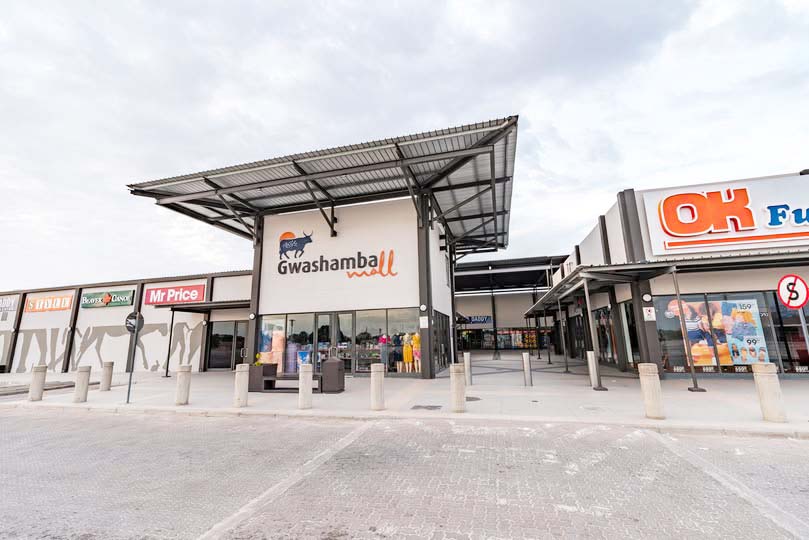
The Ondangwa Town Council is rolling out an ambitious, multi-pronged strategy to transform the northern town into a competitive investment hub, leveraging infrastructure expansion, streamlined bureaucracy and targeted support for local enterprises to stimulate economic growth.
At the centre of this push is the council’s 2022/23-2027/28 strategic plan, reinforced by a newly launched Local Economic Development (LED) and Tourism Strategy, which places business development at the core of Ondangwa’s long-term vision.
“Business development promotion is embedded under the Local Economic Development strategic pillar, with a deliberate focus on stimulating entrepreneurship, supporting local enterprises and attracting investment,” said Rauna Shipunda, Manager for LED and marketing at the council. With a combination of competitive land pricing, infrastructure expansion, investor-friendly policies and a focus on inclusivity, Ondangwa is positioning itself as one of Namibia’s most promising emerging economic centres.
In an environment where bureaucratic delays often frustrate investors, Ondangwa is seeking to differentiate itself by emphasising efficiency.
The council has streamlined administrative processes to ensure that business registrations are completed within four days and building plan approvals are finalised within seven days.
“These turnaround times significantly reduce regulatory hurdles and improve the overall ease of doing business in Ondangwa,” Shipunda noted.
The council digitised key services like billing and online business registration, showing a move to modern governance.
Its most notable action is cutting industrial land costs by 55% in the last cycle to attract manufacturers and investors.
“Manufacturers and investors are encouraged to take advantage of the more than 50% price reduction on industrial land, making Ondangwa a highly competitive and affordable investment option,” he said.
While the town lacks a formal incentive policy, it has introduced relief measures like waiving interest on municipal accounts in 2023/24 to ease business pressures and boost compliance. Recognising infrastructure’s role in economic growth, the council invests in projects to stimulate business.
Upgrades to roads aim to improve mobility and logistics, while new electrical services in Extension 28 are expected to facilitate commercial and industrial development. At the same time, the rehabilitation and integration of oxidation ponds are strengthening sanitation systems, an often overlooked but critical component of sustainable urban growth.
“Reliable and well-planned infrastructure is essential for enhancing competitiveness and connecting people to economic opportunities,” Shipunda emphasised.
A Road Masterplan is also under development, providing a long-term blueprint to support trade and business operations.
Flagship projects
Among the most transformative projects is the construction of a state-of-the-art international sports stadium, now at an advanced stage of development.
The facility is expected to attract major events, boost tourism and create opportunities for local vendors and service providers.
“The stadium is expected to attract regional and national sporting events, increase visitor numbers and stimulate broader economic activity,” Shipunda said.
In parallel, plans for a new district hospital are expected to deliver significant economic spillover effects – from construction jobs to increased demand for accommodation, retail and services once operational.
Strategic location
Ondangwa’s geographic positioning is another critical advantage.
With access to an airport and railway infrastructure, the town is strategically located along key transport corridors, making it an attractive node for logistics, manufacturing and trade.
“The council continues to avail serviced industrial land to capitalise on Ondangwa’s location along key transport routes,” Shipunda stated.
This positioning is further reinforced through active participation in platforms such as the Annual Ongwediva Trade Fair, where Ondangwa markets its investment potential to regional and national audiences.
SMEs in focus
Beyond large-scale investment, the council is placing strong emphasis on developing micro, small and medium enterprises (MSMEs), recognising their role in job creation and inclusive growth.
Support measures involve affordable trading spaces, business skills training in bookkeeping and marketing, as well as market access via exhibitions like the Ondangwa Trade & Industrial Exhibition.
“MSME promotion and development is a key strategic pillar of the LED strategy,” Shipunda said.
The council is also creating employment opportunities through local procurement and labour-intensive activities, such as road cleaning and de-bushing, ensuring that public spending circulates within the local economy.
PPPs drive delivery
Public-private partnerships (PPPs) are emerging as a key delivery mechanism, particularly in housing development. Collaborations with private developers have already yielded results in Extensions 17, 18 and 20, with further partnerships in the pipeline.
“Public-private partnerships are very crucial in the development of a town. We are looking forward to more initiatives, especially in housing,” Shipunda noted.
These partnerships are evident in infrastructure projects, benefitting local contractors from council investments.
Youth empowerment is key to Ondangwa’s development, with the council collaborating with training institutions and private sectors to promote skills, entrepreneurship and employment.
A recent baking skills initiative, implemented in collaboration with Ileni Agro processing Solution and Consultant cc, equipped 20 young people with practical skills to start income-generating ventures.
“These initiatives are designed to empower youth to pursue self-employment and entrepreneurial opportunities,” Shipunda said.
With an annual budget exceeding N$200 million, the council is deliberately channelling spending into the local economy through procurement from local suppliers and service providers.
“This approach ensures that public funds are reinvested back into the town, stimulating economic circulation and supporting local businesses,” Shipunda stated.
The success of these initiatives is measured through tangible indicators such as increased land applications, business registrations and expansions. They are signals of growing investor confidence.
Looking ahead, Ondangwa’s ambitions are clear. “The long-term vision is to become an engine of industrialisation and sustainable development,” said Shipunda.