

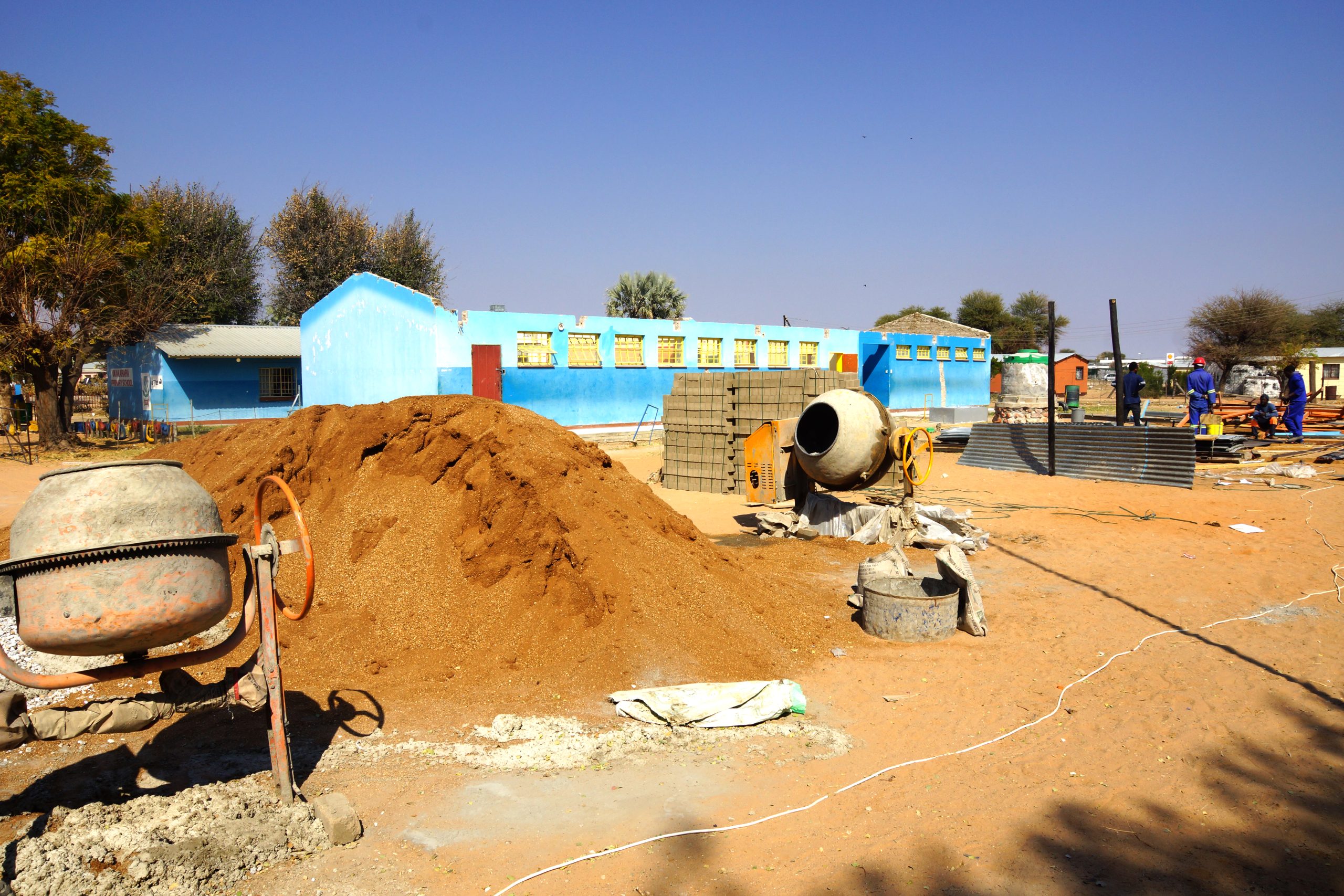

Namibia has improved access to inclusive, equitable and quality education through the construction, expansion and upgrading of over 400 classrooms at various pre-primary and primary schools countrywide.
During the 2025/26 period, government made significant strides in advancing the country’s education sector by expanding infrastructure, enhancing access to lower and higher education, and improving learning outcomes across all levels. In total, across the board, 237 primary classrooms and over 172 pre-primary classrooms were constructed at various schools nationwide, alongside 40 administrative offices, 39 science laboratories and 37 computer laboratories.
Additionally, 36 school libraries and 51 ablution blocks were also constructed, complemented by the expansion of community hostels and learning centres, aimed at boosting access and improving living conditions for learners throughout different regions.
TVET
Good progress was also made in further reviving the Technical and Vocational Education and Training (TVET) and Science, Technology, Engineering and Mathematics (STEM) education programmes, as momentum was sustained through initiatives like the STEAM Expo and strategic partnerships such as the GIZ Pro-TVET programme.
In a recent state of the nation address, President Netumbo Nandi-Ndaitwah said the government will continue to redouble its efforts to accelerate the integration of green and digital skills into vocational curricula to better align education with emerging industry demands.
“To better align education with industry needs, new programmes have been introduced, focusing on green hydrogen, renewable energy and other emerging industries. To equip students and graduates for the job market, the Work Integrated Learning Policy was launched in March 2026 to offer appropriate skills required in the global economy. We will continue improving teaching and learning outcomes at the school level, as that remains one of the government’s strategic priorities. As a result, the school curriculum is continually revised to stay relevant to current realities,” Nandi-Ndaitwah underscored.
This focus has resulted in increased enrolment in TVET programmes, reaching 13 512 trainees, largely driven by the completion and operationalisation of new facilities, such as the Nkurenkuru and Keetmanshoop vocational education and training centres.
Additionally, new programmes emphasising green hydrogen, renewable energy and other emerging sectors have helped prepare students for future job markets.
Nandi-Ndaitwah emphasised the importance of striking a delicate balance between all phases of the education sector, being the primary, secondary and tertiary levels.
She said the secondary phase equally plays an important role.
During the 2025 academic year, learners’ performance at both the Namibia Senior Secondary Certificate Ordinary (NSSCO) and Advanced Subsidiary (NSSCAS) levels showed notable improvement.
Out of 38 692 NSSCO candidates, 36.0% qualified to advance to NSSCAS in 2026, up from 29.5% in 2025, which indicates that 40.5% of NSSCO candidates meet the criteria for higher education entry.
Additionally, achievement levels under the twenty-point target, covering certificates, diplomas and TVET-related studies, increased from 53.7% to 60.2%, reflecting a positive trend in overall student success.
Provision
At the NSSCAS level, 11 968 candidates sat for the exams in 2025, with 70% achieving the required symbols in three subjects for university admission.
Again, Nandi-Ndaitwah said these improvements underscore the government’s commitment to elevating education standards and expanding opportunities for Namibian learners.
“As Namibia continues its education reform journey, these developments are expected to foster a more skilled, innovative and competitive workforce, positioning the country for sustainable development in the years to come,” she stated.
Another major milestone was the implementation of a fully subsidised 100% tertiary education funding model, covering registration and tuition fees for eligible undergraduates at both public and private universities and technical vocational training centres.
Supported by an initial allocation of N$663 million, this reform aims to reduce financial barriers and promote higher education participation.
The government also expanded student support through the Namibia Students Financial Assistance Fund (NSFAF), increasing the household income limit for non-tuition aid to N$300 000.
This enables more middle-income families to access financial assistance.