

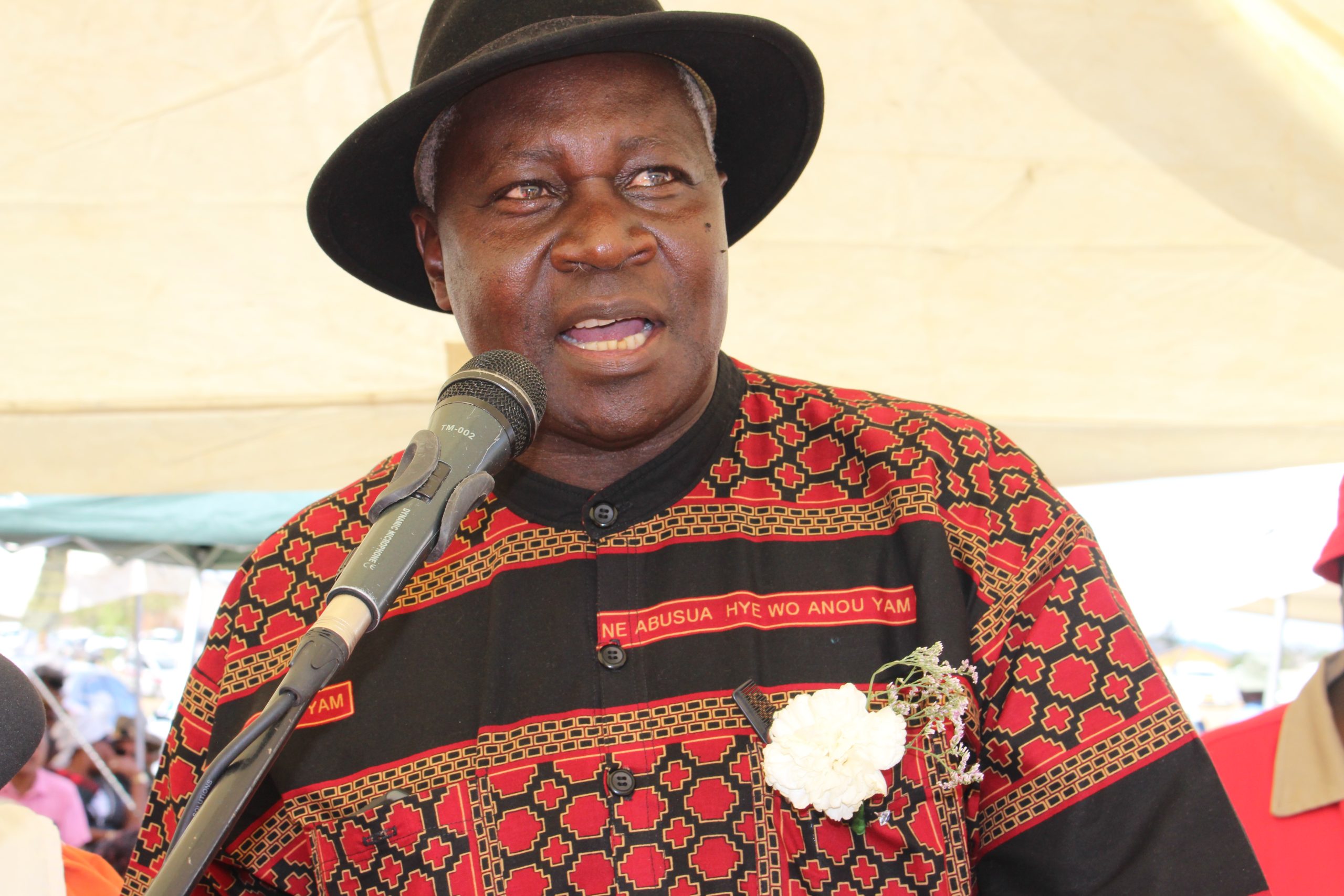

Former Member of Parliament Usutuaije Maamberua, one of the foremost advocates for the nationalisation of the annual Genocide Remembrance Day, has applauded government for taking the initiative to commemorate this year’s event in almost all parts of the country.
Namibia has officially set aside 28 May of each year as the national Genocide Remembrance Day through Proclamation No.19 of 2024.
On this day, individuals and communities across the country are encouraged to come together to reflect and honour the victims of one of the world’s most brutal genocides, which saw the killing of over 100 000 Herero, Nama and other ethnic groups of present-day Namibia between 1904 and 1908 by German colonial forces.
Tomorrow, Namibians from all walks of life and various backgrounds will come together across different regions to commemorate the victims of the 1904-08 genocide through activities that will form part of the 2026 commemorations.
To this, Maamberua said government is finally starting to not only understand, but to also appreciate the growing importance of commemorating and taking the Genocide Remembrance Day to all corners of Namibia, as the day belongs to all Namibians.
“Commemorations are being rolled out to all the 14 regions of Namibia – and that is something commendable. Because charity begins at home, meaning that our fellow Namibians now have the chance to be informed about what transpired to their fellow men and women. The suffering and consequences of this genocide affects all Namibians to this very day. It is, therefore, important that we walk this journey together as Namibians,” said the veteran politician and respected historian.
“We now have a Genocide Remembrance Day, although I have to make it clear that we are not only remembering the day. Rather, we are commemorating the genocide itself, the cruelty, the suffering of our people, the rape of the women, the exploitation of our people, the slave labour, and everything that comes with genocide,” Maamberua said.
Annual commemorations feature candlelight vigils, minutes of silence and official addresses by leaders in Windhoek’s Parliament Gardens near historic execution sites countrywide to transition from silent generational trauma into an active national identity.
The day also serves to reform local curricula, ensuring that the legacy of resistance, sacrifice and the impact of colonial hatred are formally taught to younger Namibians.
Genesis
Calls for government to declare and eventually promulgate an official national Genocide Remembrance Day first started with the late Ovaherero Paramount Chief Kuaima Riruako.
In September 2006, he moved a motion in Parliament, seeking for Germany to acknowledge, apologise and pay reparations for the genocide it committed.
Riruako then called for affected communities to be part and parcel of the negotiations.
About 10 years ago, Maamberua, then as Swanu president, tabled a similar motion in the National Assembly for the government to proclaim an annual Genocide Remembrance Day, proposing 28 May as the perfect date.
At the time, Maamberua said the purpose of his motion was for Parliament to discuss, debate, and through a standing committee, consult the affected communities and relevant authorities to determine and bring about the enactment or declaration of such a day.
The day 28 May was chosen because, on this day in 1907, German colonial authorities ordered the official closure of the various concentration camps across German South West Africa (now Namibia) following international criticism and condemnation.
The closure of the camps brought an end to a period of systematic slaughter, forced labour and forced starvation.
Historians widely regard these colonial massacres as the first genocide of the 20th century, during which an estimated 65 000 Ovaherero (80% of their population) and 10 000 Nama people (50% of their population) were systematically wiped out.
Maamberua continues to be a prominent voice in the national journey toward healing and historical preservation, including an active campaign to rename the Independence Memorial Museum in Windhoek.
He argues that, because the building sits on the site of a former German concentration camp, it should be called a Genocide Remembrance Museum to accurately respect the ancestors who perished there.
He also champions the creation of a formal legal framework to establish a dedicated Genocide Memorial Authority to safeguard colonial-era historical locations, build a national archive and embed comprehensive genocide education into school curricula.
– ohembapu@nepc.com.na