

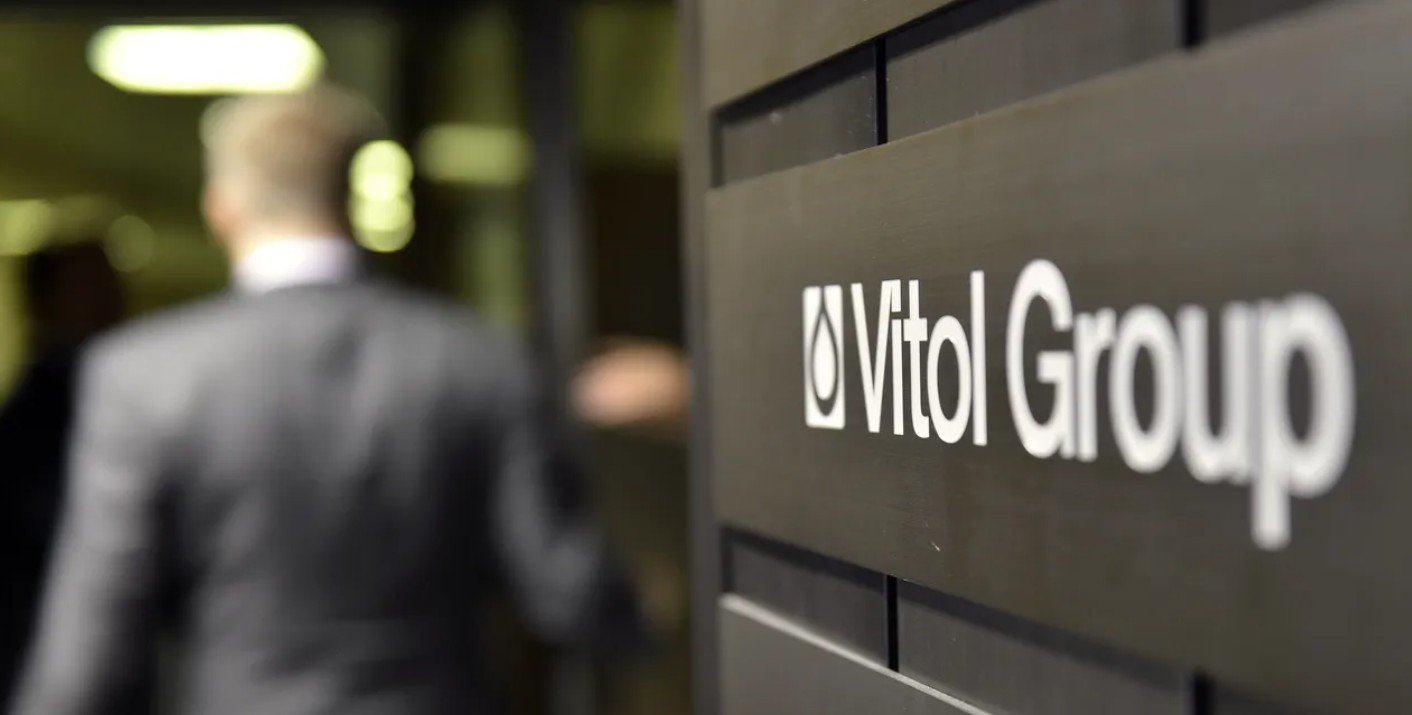

Vitol, a global energy company, will be the sole supplier of fuel to Namibia for a three-month period from July to September 2026. Addressing the country’s fuel supply situation on Saturday evening in Oshakati, Minister of Industries, Mines and Energy Modestus Amutse explained that the arrangement with Vitol was necessitated as part of an emergency government intervention aimed at preventing a potentially crippling surge in fuel prices amid ongoing geopolitical turmoil in the Middle East started by United States President Donald Trump.
The arrangement is likely to place Vitol, a 60-year-old company, at the centre of Namibia’s fuel supply chain during the three-month period, giving the commodity giant an exclusive role in importing petroleum products into the country. Vitol’s involvement is particularly notable given that it is also the parent company of Vivo Energy, one of Namibia’s largest downstream fuel retailers operating service stations across the country. The dual presence of the Vitol group in both fuel importation and retail could attract scrutiny from market observers, although government insists the arrangement was selected purely on economic and supply considerations.
The unprecedented arrangement for Namibia’s fuel supply marks one of the most significant interventions in the domestic petroleum market in recent years and signals a major shift towards centralised fuel procurement.
Under the agreement, Vitol will supply Namibia’s entire fuel requirement at the Basic Fuel Price (BFP) without charging additional premiums and without requiring government guarantees or any public financial commitment. The move comes as Namibia grapples with mounting pressure on the National Energy Fund (NEF), which has spent more than N$1 billion cushioning Namibian consumers from escalating fuel costs since the United States attacked Iran on 28 February 2026.
According to Amutse, the decision was driven not by fears of fuel shortages but by the growing financial burden of maintaining affordable pump prices.
“There is nothing improper in the arrangements the Government has made to secure our fuel supply for the period July to September 2026,” Amutse said. “They were made transparently, in the national interest and on terms that protect the consumer and commit no public money,” the minister added after the fuel supply arrangement was leaked to the media last week.
The minister emphasised that Namibia’s challenge is an “emergency of cost” rather than an emergency of supply.
Meanwhile, fuel remains available, said Amutse, but the combination of elevated global oil prices, import premiums and a rapidly depleted NEF threatened to trigger a sharp increase in pump prices from July. Such increases would ripple throughout the economy, driving up transport costs, food prices and the cost of essential goods.
Sole supplier
Vitol’s selection followed consultations with local and international fuel suppliers, diplomatic missions and industry stakeholders. Amuste said the inistry invited members of the Namibian Oil Industry Association (NOIA) and other suppliers to submit proposals aimed at securing Namibia’s fuel requirements without the costly premiums that have recently been added to fuel imports.
Amutse said several offers were received, but Vitol’s proposal stood out because it met the country’s total fuel demand while requiring no financial guarantees from the state.
“What set the offer from Vitol apart was that it met the country’s fuel requirement in full: fuel supplied at the Basic Fuel Price, with no premium added on top and no public money required,” said Amutse. He added that other proposals reportedly carried conditions, including government-backed guarantees and financial assurances.
NEF under pressure
Moreover, Amutse’s announcement on Saturday shed new light on the extent of the financial strain caused by global oil market volatility. Before the outbreak of conflict in the Middle East, the National Energy Fund held a substantial surplus. However, that reserve has now been largely depleted after absorbing substantial under-recoveries and covering premiums charged above the Basic Fuel Price to ensure uninterrupted fuel supplies. “Over the past four years, premiums have been and continue to be charged on top of the Basic Fuel Price. Removing that burden, for good, is exactly what these arrangements, and the reform behind them, are meant to achieve,” said Amutse.
Government also believes that consolidating national fuel demand under a coordinated procurement system will unlock economies of scale and reduce costs across the fuel value chain.
New fuel import model
The Vitol agreement is being positioned as a temporary bridge towards a broader structural reform of Namibia’s fuel import regime. Amutse revealed that Bulk Petroleum Import Coordination Regulations are at an advanced stage of development and are expected to come into operation by the end of September 2026.
These new regulations will provide government full coordination authority over petroleum imports to replace the current fragmented procurement model with a centralised system designed to secure better pricing and improve efficiency.
Amutse pointed out that government has studied similar fuel import coordination mechanisms implemented in Tanzania, where centralised procurement has been credited with reducing costs and improving market stability.
Should international oil markets remain volatile, Amutse indicated government may issue additional invitations to suppliers beyond September as part of its strategy to protect consumers and stabilise the economy.