

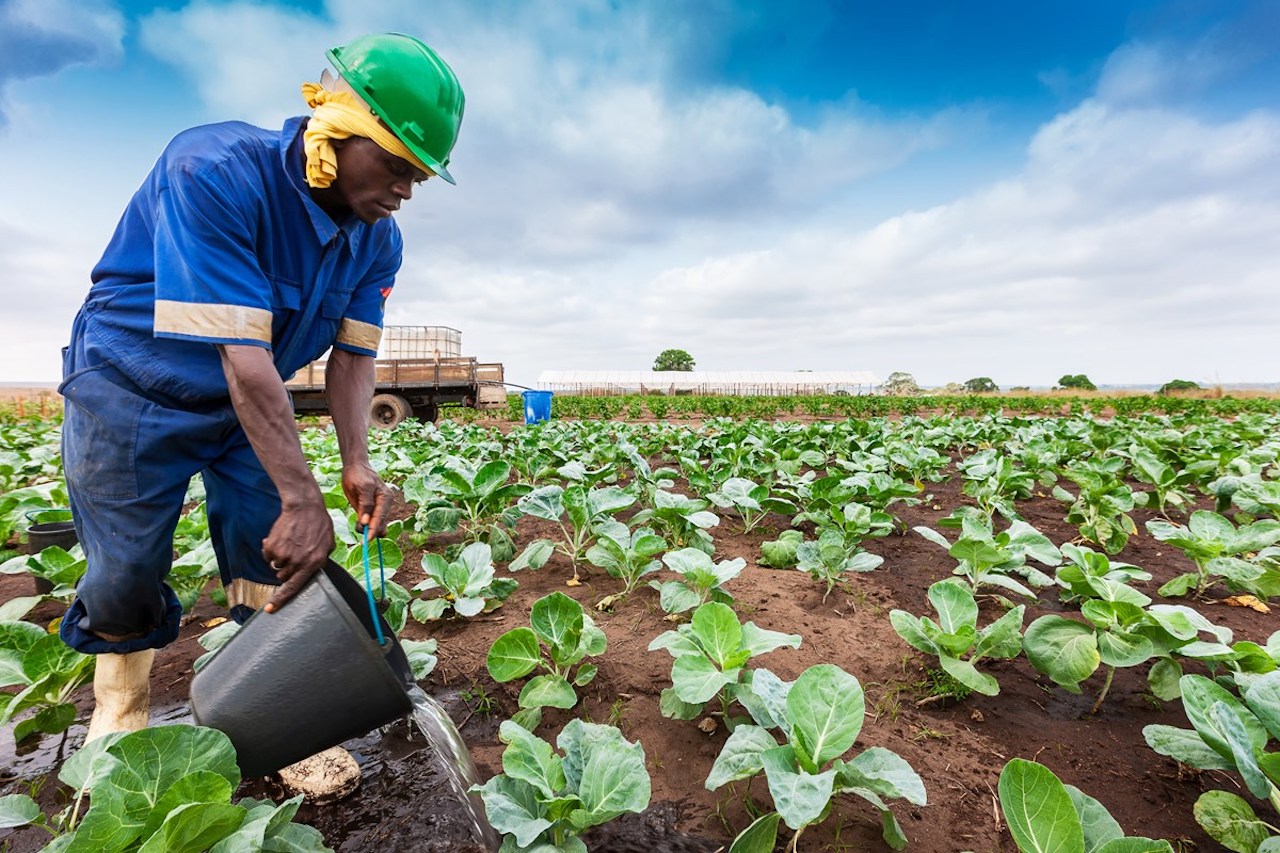

Farmers in Namibia face numerous challenges, including climate change. This is evident in erratic rainfall, recurring droughts, and crop and livestock losses.
These have continuously led to financial losses for farmers across the country.
As we navigate through the early days of 2024, farmers are encouraged to create resolutions that can transform their farming businesses into resilient enterprises.
With livestock farming the predominant business in Namibia, it is crucial to implement coping strategies that are resilient to climate change and other challenges farmers face, even at the household level. At the communal level, farmers can cultivate pastures, each dedicating 2 500 m2 (0.25 Ha) to grow perennial grasses such as Wool (Anthephora pubescens) and Blue Buffalo (Cenchrus ciliaris).
This can serve as a reserve base for a farmer’s most valuable group of livestock.
As bush encroachment expands across the communal grazing areas in Namibia, exploring the concept of bush thinning for fodder production can be beneficial for livestock groups such as goats, which are browsers.
This will allow grazing areas to recover their grazing value naturally. Secondly, farmers must realise the importance of diversifying farm enterprises. Diversification offers a farmer multiple streams of income that can be used to sustain the main business enterprise (in Namibia, livestock farming is facing challenges such as drought).
This offers a way to generate additional income and reduce the risk of relying on a single source of income.
Suppose a farmer has a herd of 50 cows and two bulls. He also has 100-layer hens and a small vegetable production enterprise.
The proceeds from the vegetables and eggs can be used to purchase feed for the cattle herd during drought spells. Another way to build a sustainable and resilient farming business is to always set some money aside for a rainy day. During prosperous years, farmers often fail to plan their finances and end up spending their profits on non-business expenses rather than reinvesting
them in their farms.
Suppose a livestock enterprise on a commercial farm produces about 90 to 140 weaner calves in a year. It is essential to set aside 60% of that revenue for years when the enterprise will be at its lowest.
As a crop farmer, it is possible to save some of the profits from selling maize grain in years with a good harvest and reinvest them in the business. One way to do this is to purchase machinery that can improve production efficiency. Ideally, at the beginning of each year, farmers should review their production and financial records.
This review process will help them plan for the income generated in the previous year and determine how to allocate their funds towards key production objectives. By doing so, farmers can ensure their businesses can thrive regardless of any unforeseen circumstances.
Finally, the best way for a farmer to build a resilient farming business is through the constant acquisition of knowledge and skills, which can be integrated into the farming business to ensure productivity is maintained.
Always check market trends to establish farming business ventures that can address market needs. This way, you will have a business that remains resilient even during trying times.
*Hanks Saisai is Agribank’s technical advisor on crops and poultry.