


A key concern in the education sector is the growing mismatch between industry expectations and the qualifications being prioritised. This is the viewpoint of Allen Petrus from Thematic Lead for Inclusive Green Growth.
While addressing delegates at the Namibia-EU Business Forum through the EU – Youth Sounding Board recently, she emphasized that industries should move beyond narrow academic preferences and embrace multidisciplinary talent, including graduates from accounting and other related fields.
“A central discussion point on education focused on the mismatch between industry expectations and the types of qualifications being prioritised. The main argument was that industrial growth requires multidisciplinary participation rather than narrow academic preference,” Petrus said.
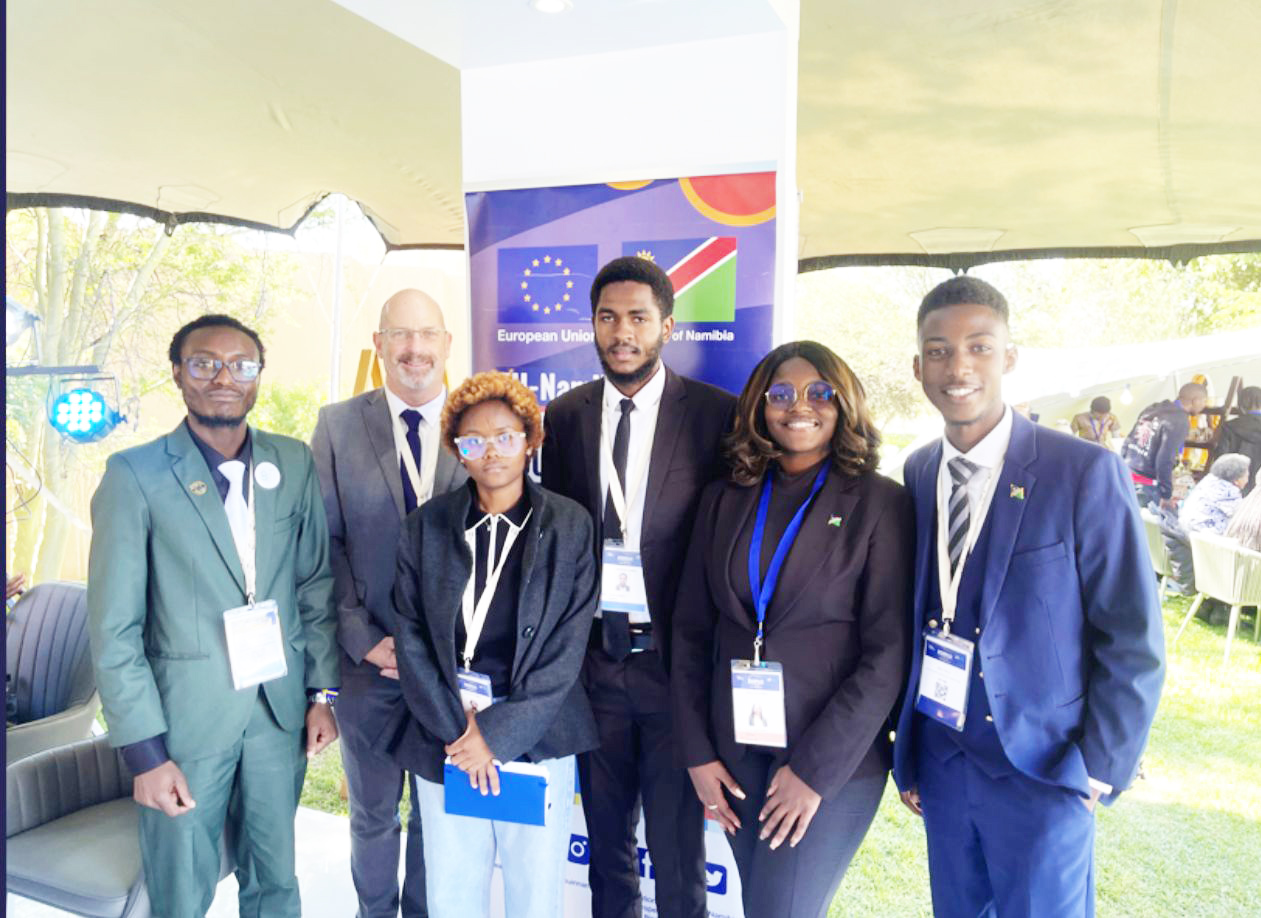
The EU–Youth Sounding Board (inclusive green growth group) panel discussion brought together industry experts, politicians, business representatives, and youth to engage on issues affecting education, policy, and youth participation in economic development.
The Youth Sounding Board is a space for young people to influence EU external action and international partnerships. The selected board members contribute to making EU action more participatory, relevant, and effective for young people in EU partner countries.
Other discourses include trade, investment, and finance partnerships for Namibia, with deep dives into agribusiness, critical raw materials, and cultural and creative industries.
“Effective policies are necessary to ensure that local businesses and youth can meaningfully participate in value chains and industrial opportunities,” she stated.
Petrus noted that at the end of the day, the importance of aligning education systems with industry needs is key, as it strengthens supportive policies for local participation and improving awareness of business formalisation and intellectual property protection.
At the same event, solar installation and maintenance technician Kevin Kevanhu touched on the technical, vocational, and educational barriers that technical, vocational, and educational training graduates face when entering into the energy space.
“We need to adequately look at the accessibility to meaningful inclusion within emerging industries such as renewable energy and green hydrogen and what we can actually do about it,” he said.
Kevanhu believes the focus should be on creating employment opportunities and strengthening the economy through strategic partnerships and economic diversification.
He said this aligns with the government’s vision outlined in the Sixth National Development Plan, which prioritises reducing reliance on traditional sectors while advancing the country’s green industrialisation agenda through investments in renewable energy and critical raw materials.
“The Forum strengthened our position as Namibia in aspiration to build and become a global leader in clean energy while sustainably developing our oil and gas sector. While green hydrogen will position us as a pioneer in producing one of the world’s cost-effective green hydrogens,” said the TVET advocate.
Kevanhu believes the synergy between these sectors indicates that there is no picking a side in the energy transition but rather positioning ourselves to become a comprehensive energy hub.
–psiririka@nepc.com.na