

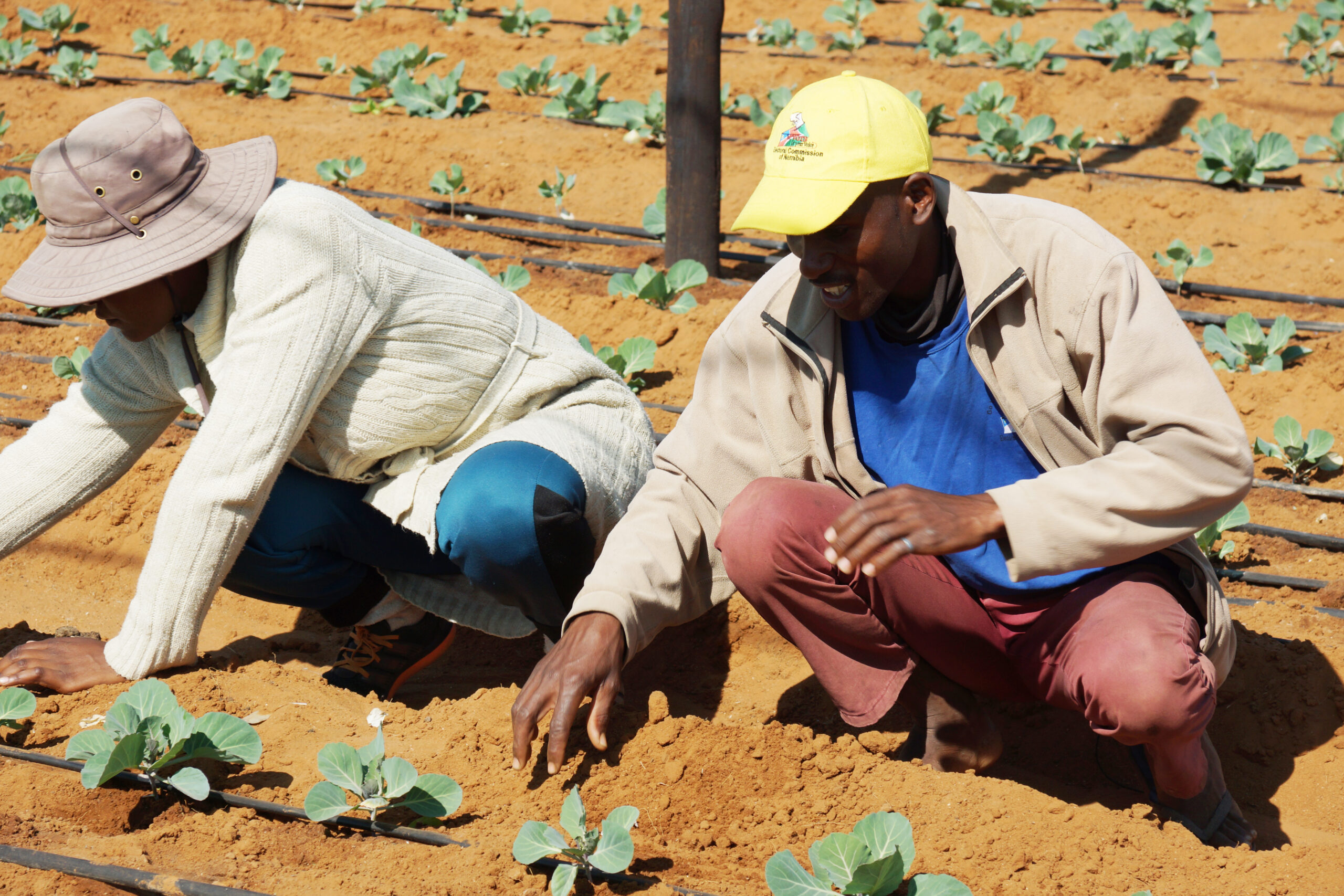

When one is in production or aspires to venture into producing fresh produce like vegetables, fruits, or cereal grains, often a key aspect is overlooked by many producers, and that is to register as a crop producer.
One must register with the Namibian Agronomic Board (NAB) as a producer of crop products, as this offers numerous benefits to the farmer.
As a registered producer, a farmer becomes recognised as a legitimate producer of crop products in Namibia, and doors are opened to both formal and informal markets.
Secondly, once registered as a producer with the NAB, one is allocated to one of the following production zones: Zambezi, Kavango, Karst, North-Central, Central, South, or Orange.
The producer then actively contributes to local crop production in that zone.
Another benefit of registering as a producer is that you can specify whether your crop products are produced organically or use chemicals and indicate the intended market for your produce (domestic or export).
In addition, a registered NAB producer is assigned a producer category based on the size of the land under production. Small producers are usually farmers who cultivate crops on land ranging from 0.5 Ha to 30 Ha.
Medium crop producers cultivate crops on land ranging from 30 Ha to 60 Ha. Usually, the last category is for large producers who cultivate more than 60 Ha of land.
The producer size category informs the regulator and NAB to notify traders that a certain farmer may have less or vast quantities of certain crops, depending on the producer’s production category.
From a regulatory and compliance perspective, registering with NAB enables producers to comply with food safety standards that ensure consumers receive safe food for human consumption.
Furthermore, the registration enables farmers to specify which type of horticultural or agronomic crops they will produce.
This enables one to inform the market which crops are being produced, the expected yield in kilograms at harvest, and when the crops will be ready for the market.
Additionally, when you are a registered producer, you get to have access to information about the forecasted production of crops and the volumes needed in the market. This information is essential, as it helps farmers produce crops when market demand is high and ensures that they understand the quantities demanded by the market.
Smallholder farmers benefit through the production forecast information offered by NAB and it empowers them to strategise their production by ensuring that they produce high-quality products in the correct quantity and in a staggered manner to ensure that they can supply markets during periods where local production is low.
Finally, as a regulator, the NAB protects local farmers from cheaper imports by enforcing laws and regulations that require local traders to prioritise trading with local producers, and only when local production is low can traders be issued import licences.
Farmers are encouraged to regularly consult the NAB or visit their website at www.nab.com.na to stay informed about the latest developments in the crop sector. By registering with the NAB, crop farmers can access numerous benefits and opportunities within Namibia’s dynamic agricultural landscape.
*Hanks Saisai is Agribank’s technical advisor on crops and poultry.