


The Namibian government has launched expanded youth programmes intended to reduce unemployment through training, funding and skills development.
The initiative, announced recently by President Netumbo Nandi-Ndaitwah in Windhoek during the state of the nation address (Sona), targets thousands of unemployed youth across all 14 regions who face limited opportunities after school and at university.
Delivering her Sona, Nandi-Ndaitwah said government remains committed to giving young people “equitable access to quality skills training”, describing youth development as a key pillar of national progress.
Her remarks come as young people make up most of Namibia’s population, yet many remain without jobs, access to finance or practical skills.
The 2023 census report states that 44.4% of young people are unemployed.
For many, the struggle is not just about jobs. Access to funding remains out of reach for first-time entrepreneurs, while others lack practical skills or work experience.
In rural areas, opportunities are even more limited due to poor infrastructure and weak access to markets.
A young graduate may hold a qualification but fail to secure a first job.
Another with a business idea may be turned away by banks due to a lack of collateral.
For others in villages, even farming is difficult without tools, training or support.
It is these realities that government programmes are trying to address.
Assistance
In response, the government has expanded programmes across sectors, citing that a total of 504 young people has been empowered through sustainable livelihood initiatives.
This includes 104 youths trained in mushroom cultivation across all 14 regions, with six regions already receiving start-up materials.
Another 400 have been trained in biomass production and are being prepared for deployment to production sites.
“These initiatives are designed to ensure that young people are not left behind, but are active participants in economic development,” she said.
Entrepreneurship is also being strengthened.
Under the Youth Credit Scheme, 1 034 young people received training in business management to improve their chances of starting and sustaining businesses.
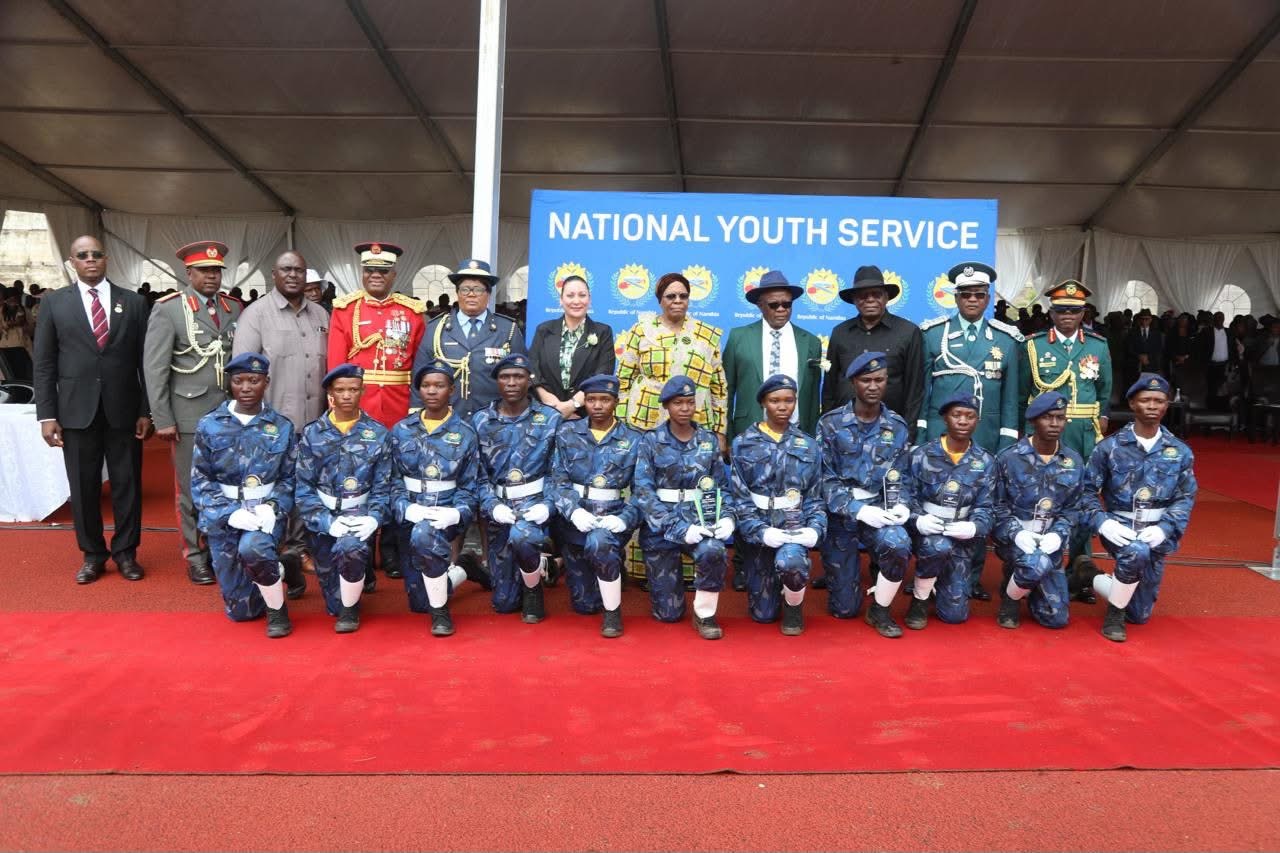
Through the National Youth Service, 1 030 recruits have completed training, while 600 from the 16th and earlier intakes of the 2025/26 financial year have been enlisted into the Namibian Defence Force.
The service also deployed 987 recruits to 20 voluntary projects, giving them hands-on experience.
Support for small businesses continues under the Equipment Aid Scheme, which has assisted 82 micro, small and medium entrepreneurs across all regions, with the numbers equally split between men and women.
“Under the Youth Development Fund, 211 projects valued at about N$63.1 million have been approved, with the potential to create 898 jobs. So far, N$16.8 million has been disbursed, while 2 035 applications have been referred for improvement to meet funding requirements,” she said.
The Development Bank of Namibia has mentored about 800 SMEs across the country, helping them build capacity and access capital.
Challenges
Despite the progress, challenges remain.
Many young people struggle to access funding due to strict requirements, while others lack technical and vocational skills.
In rural areas, poor infrastructure and limited market access continue to hold back opportunities.
The Namibia Statistics Agency points to agriculture, manufacturing, renewable energy, tourism and the creative industry as key sectors that can absorb young workers if backed by training and investment.
For many young Namibians, these programmes offer a path out of unemployment.
The challenge now is to turn training into lasting jobs and businesses in an economy where the youth carry the country’s future.
-pmukokobi@nepc.com.na