

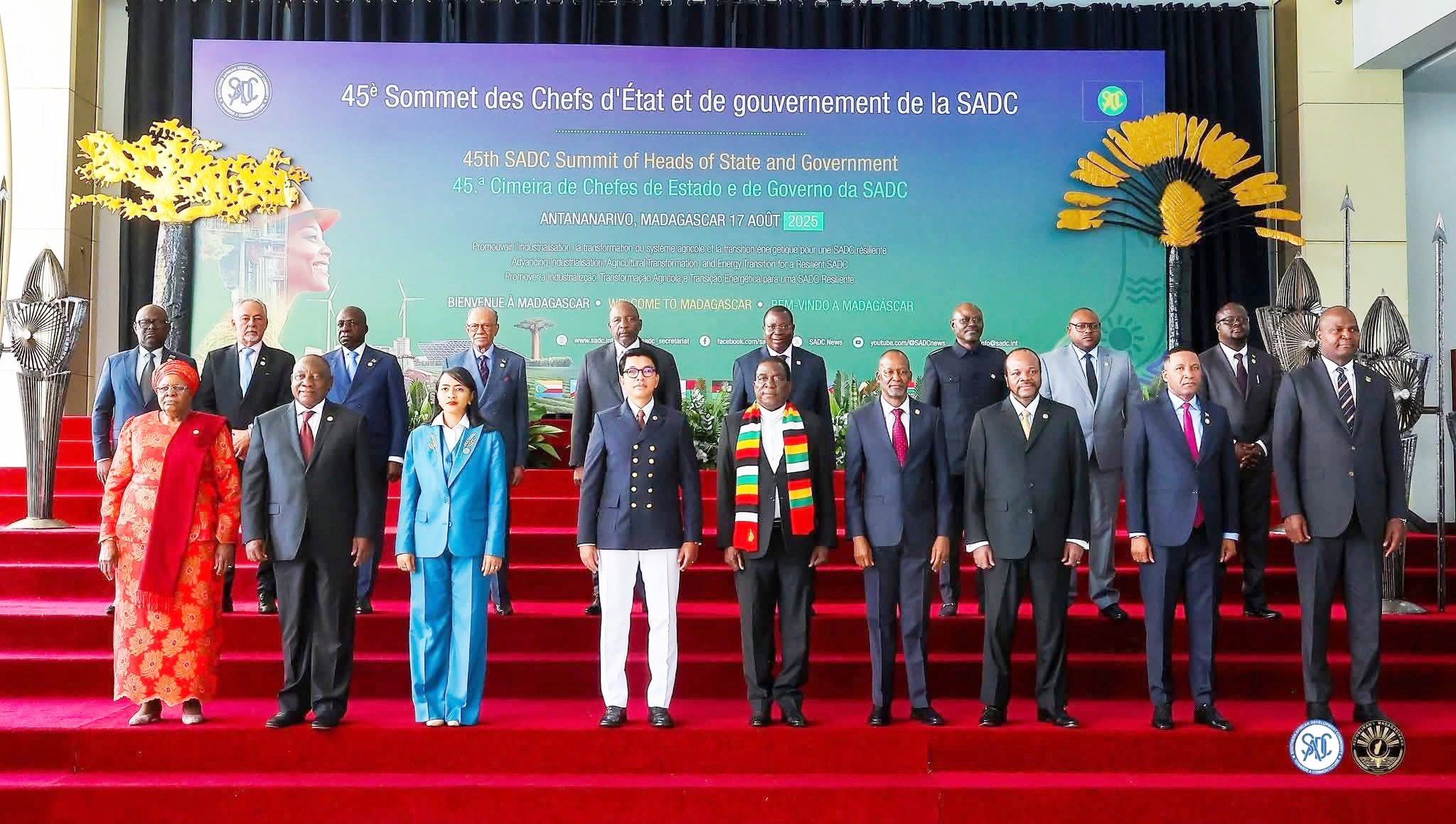

The chairperson of the Southern African Development Community (SADC) Cyril Ramaphosa said Namibia’s independence remains a decisive milestone in Southern Africa’s liberation struggle.
In a statement marking Southern Africa Liberation Day on 23 March, Ramaphosa said the historic turning point that led to Namibia’s independence in 1990 remains one of the most defining moments for the region.
“This decisive confrontation marked a turning point in the struggle for liberation in Southern Africa, contributing significantly to the independence of Namibia in 1990,” he said.
The SADC chairperson linked Namibia’s freedom directly to the historic Battle of Cuito Cuanavale, where liberation movements, supported by Cuba, confronted apartheid South Africa’s forces in Angola.
Ramaphosa said the battle not only helped secure Namibia’s independence but also paved the way for democratic change in the region, including South Africa’s first democratic elections in 1994.
“We honour, with deep respect and gratitude, the brave men and women who stood at the forefront of the struggle to liberate the Southern African region,” he said.
Namibia also featured prominently in the region’s ongoing efforts to preserve liberation history. Ramaphosa recalled the 2018 SADC Summit held in Windhoek, where leaders agreed to integrate liberation history into school curricula across member states.
He described this as a “noble endeavour” aimed at ensuring future generations understand the sacrifices made for independence.
In the statement, the South Africa president emphasised that Liberation Day is not just symbolic but a time for reflection on progress made since independence.
“While we mark this seminal moment annually, it is far from an empty ritual. It serves as an important opportunity for reflection on where we stand today,” Ramaphosa said.
Beyond Namibia, the SADC chairperson paid tribute to the wider regional struggle against colonialism and apartheid, noting the role of international allies, particularly Cuba, in supporting liberation movements.
He said the region must continue to honour its heroes through tangible actions such as naming heritage sites, streets and institutions after fallen freedom fighters.
“In doing so, we preserve their legacy, inspire future generations, and reaffirm our collective commitment to the values of freedom, unity, and dignity,” Ramaphosa said.
He, however, warned that the region must remain united in the face of new global challenges that could threaten stability and independence.
“As independent nations and citizens of SADC, we must remain vigilant in the face of emerging challenges that may threaten our hard-won independence,” he said.
Ramaphosa also extended solidarity to people still fighting for self-determination, singling out the Sahrawi Arab Democratic Republic. “The liberation we commemorate will remain incomplete as long as some of our fellow Africans continue to yearn for self-determination,” he said.
He called for unity, peace and dialogue as the foundation for the region’s future, stressing that true progress is not determined by military strength or wealth. “May dialogue and peace be our most righteous armour to safeguard the freedom we continue to enjoy,” he said.
Southern Africa Liberation Day commemorates the region’s collective fight against colonial rule and apartheid, recognising the sacrifices made to achieve independence and dignity.
Ramaphosa concluded by urging the region to stay committed to integration and cooperation, describing SADC as “the cradle of humanity” with a shared destiny.
“Let us remain focused, united, and steadfast in advancing our common regional agenda,” he said.