


As Namibia marks another year of independence, much of the national reflection is always centred on history. Everyone is talking about the struggles, the heroes, and the political milestones that shaped the country into what it is today.
And please don’t get me wrong, while this reflection is necessary, it is equally important to examine how independence is experienced in the present, particularly by those who are living in its aftermath, the millennials.
For the millennial Namibian woman, independence is not a static achievement. It is an evolving and often complex reality that is shaped by both progress and persistent inequality.
Being a born free or just on the crossover of independence, millennial women did not directly experience colonial rule or apartheid.
Instead, what we inherited is a nation already politically free, but still navigating the social, cultural and economic consequences of its past. This distinction is important because it means that while legal and institutional freedoms exist, the lived experience of independence is still uneven.
In many ways, millennial women represent a transition generation because they have benefited from increased access to education, greater participation in the workforce, and more visibility in leadership spaces than previous generations.
We are seeing more women who are increasingly present in boardrooms, in media, in entrepreneurship, and in public discourse. These shifts signal meaningful progress and reflect the gains of independence.
However, these advancements do not exist in isolation from long-standing societal expectations.
Many millennial women continue to navigate traditional gender roles that have not evolved at the same pace as policy and opportunity.
The expectation to succeed professionally while also fulfilling conventional roles within the home remains a defining tension. Independence, in this sense, often comes with added responsibility rather than complete freedom.
For example, economic independence is frequently shared where a working woman is not only responsible for herself, but also often contributes to extended family structures.
This reality reflects both cultural values of community and the broader economic pressures facing many households. As a result, financial autonomy can be limited, even for those who are employed.
Similarly, social independence is still negotiated. Choices around marriage, motherhood and lifestyle continue to be closely scrutinised.
Women who delay or reject traditional paths may face judgment, while those who follow them may encounter limitations in professional growth. In both cases, autonomy is shaped by societal perception. Safety and bodily autonomy also remain central concerns.
While Namibia has made progress in policy and awareness, issues such as gender-based violence continue to affect women across the country.
The ability to move freely and exist safely in both public and private spaces is an important aspect of independence that is not yet fully realised.
Despite these challenges, there is a noticeable shift in how millennial women are defining independence for themselves.
There is a growing emphasis on self-determination; the ability to make choices that align with individual values rather than prescribed norms.
This is evident in the rise of women-led businesses such as Order with me, nails have increased engagement in creative industries, and more open conversations around mental health, identity and gender.
Importantly, millennial women are also reshaping narratives around success and fulfilment. Independence is no longer measured solely by economic stability or marital status, but by the ability to live authentically and sustainably.
Now more than ever, I am happy that women are in their soft life eras where loving themselves is a priority.
Happy Independence Day to you.
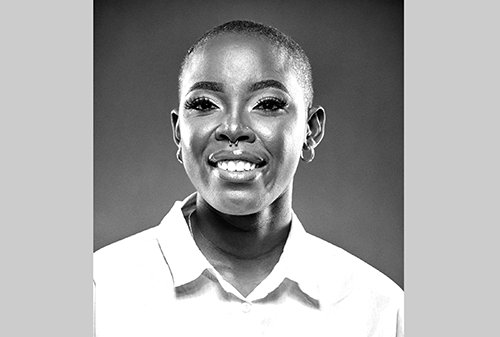
*Frieda Mukufa’s lifestyle section in the New Era concentrates on women-related issues and parenting. She specialises in editing research proposals, proofreading and content creation.
– etuholefrieda@ gmail.com