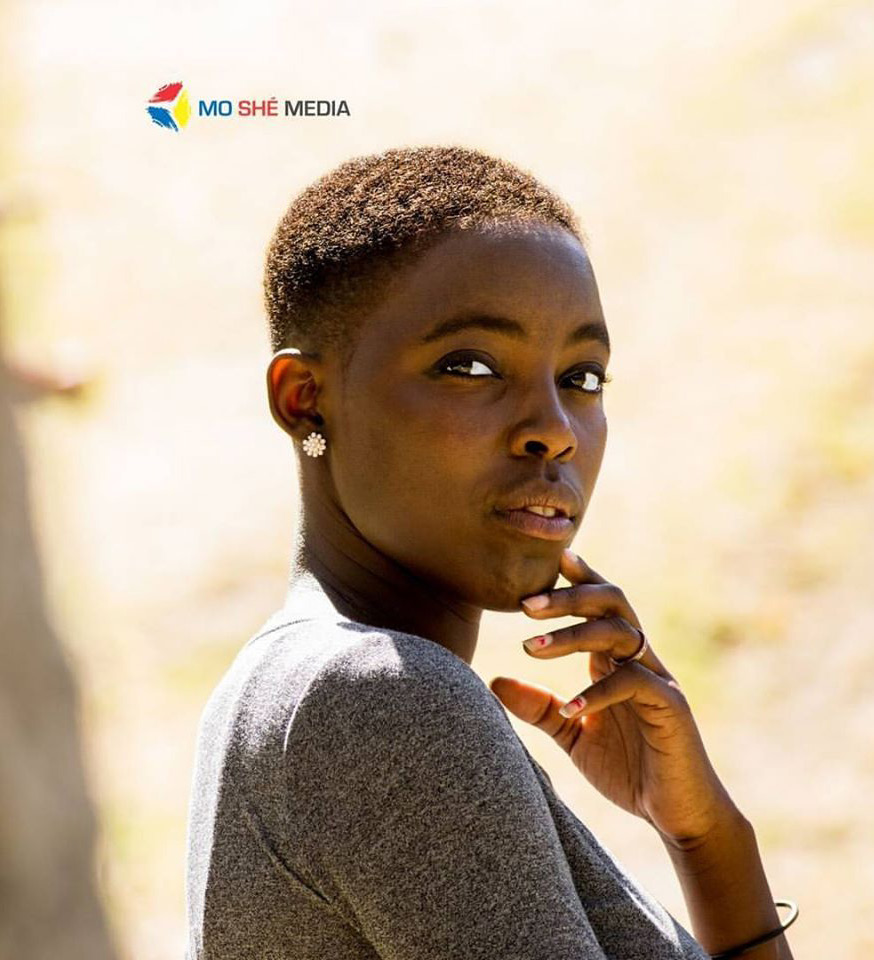

In Namibia, feminism does not always look like protests, posters or loud debates with random men at shebeens or in a cab.
Sometimes, it is a woman choosing not to laugh when her boss makes a “harmless” sexist joke or when her male friends finally say something that reminds her that he is a man after all.
However, sometimes it is also refusing to keep quiet about harassment, even when you know it could cost you your job. And most of the time, it is simply saying ‘no’ in a world that expects your silence.
However, in this country, where patriarchy hides behind ‘culture’ and ‘respect’, feminism comes with a heavy price. For many women, being outspoken about gender equality means losing community, stability and sometimes, safety.
I have been an activist and feminist most of my life.
However, ever since I started writing this column, the amount of backlash and, most of the time, arguments I have had with people who do not agree with me are so many.
You see, when a woman speaks up in Namibia, she is not just challenging one man.
She is challenging a system built to protect him.
Women who are deemed as feminists always become “the bitter one”, “the angry feminist” and “the one who hates men”.
In an attempt to make sure you try to stop, they will use a lot of things against you.
Most of the time, they will argue that bitter women do not get married and will die alone.
This is often done to silence you.
In these instances, the same people who once clapped for your success start whispering that you’re “too much” because you are demanding better treatment.
Many women I know have learned to measure their words carefully.
In workplaces, silence is often survival.
You can know your colleague is being inappropriate, you can see the gender bias in promotions, but to speak up is to risk being labelled “difficult” and not having any growth in your career.
Once that label sticks, your growth stops quietly.
The next project does not include you, your opinions suddenly do not align with the brand, and you are replaced by someone who “knows how to work with everyone”, which really means someone who keeps quiet.
The cost does not end there.
For some women online, especially those who use social media to raise awareness or challenge norms, the backlash is brutal.
Trolls, fake accounts and even death threats come at you because you said something that made people uncomfortable. The internet does not forget, and neither does society.
You become the example people use in whispers: “Don’t end up like her”.
Yet, despite all this, women continue to fight.
They are redefining feminism in a way that feels local and one that recognises that gender equality and culture can coexist, but not at the expense of dignity.
Still, it is important to acknowledge the emotional cost.
Many of us are tired.
We are tired of explaining why rape jokes are not funny.
We are tired of defending the word ‘feminism’ itself.
We are tired of loving a country that tells us to lower our voices in the name of peace.
The fight for women’s rights here is not a trend.
It is a daily negotiation between safety and truth.
The cost of feminism in Namibia is high.
It may even cost you your comfort, your friends or even your peace.
But the cost of silence is far greater.
Because every time a woman speaks, she opens a door for another who thought she was alone.
And maybe, that is what feminism truly is – not just the fight for equality, but the act of saying “I see you, I believe you, and I’m not afraid to stand with you”.
*Frieda Mukufa’s lifestyle section in the New Era concentrates on women-related issues and parenting. She specialises in editing research proposals, proofreading and content creation. – etuholefrieda@ gmail.com