

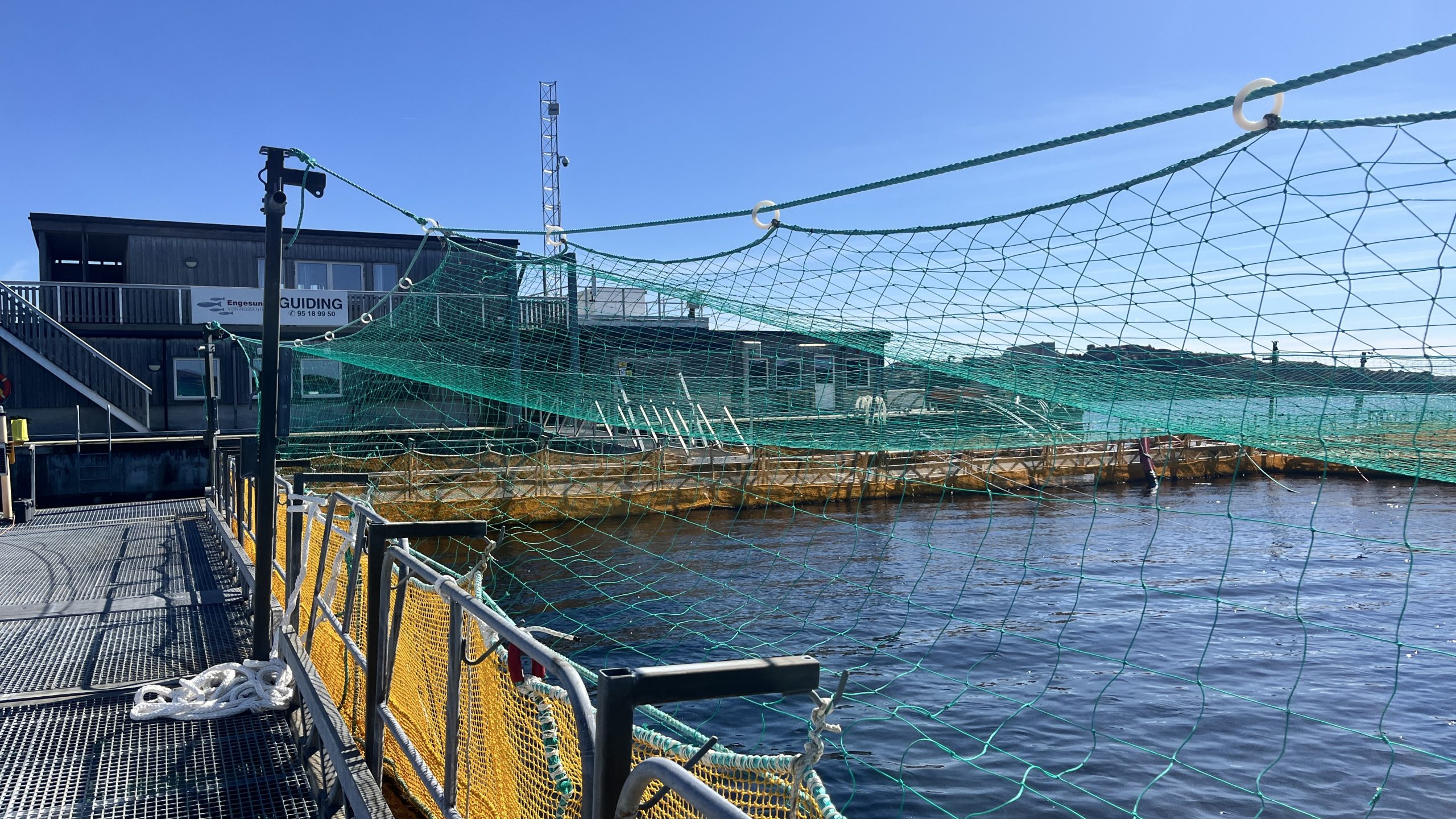

BERGEN – Namibia could position itself as a leader in Africa’s salmon production as well as stabilise the fishing industry if it invests in aquaculture.
This is according to Norwegian industry players in the lucrative industry, which is the second largest economic contributor to Norway’s gross domestic product after oil and gas.
The salmon industry generated N$222 billion in 2025.
CEO of Eriko Settefisk Rune Sandvik said salmon farming could create jobs, strengthen food security, and help stabilise Namibia’s fishing sector.
He was speaking to New Era recently during a visit to the company’s factory as part of the Namibia Atlantic Salmon Holding two-day seminar underway in Bergen, Norway.
The company produces between 12 000 kilogrammes (kg) and 18 000 kg of freshwater salmon before transferring the fish to sea cages.
It employs about 16 people at its facility.
Sandvik said Namibia’s natural conditions, particularly water quality, could support the development of a competitive salmon farming industry.
“Salmon farming in Namibia will be a plus, as it can create much-needed jobs and support the fishing industry,” he said.
“It can also provide high-quality food and open opportunities for feed production. If production grows to around 50 000 tonnes, a feed factory would be required, meaning the entire value chain could be developed locally,” he said.
Norway is the world’s largest producer of Atlantic salmon, providing over half the global supply.
The industry is characterised by low antibiotic use (less than 1%), high efficiency and a two- to three-year growth cycle.
Using open-net pens in cold fjords, the industry produces more than 1.5 million tonnes annually.
Namibia has recently experienced pressure on its marine resources, prompting President Netumbo Nandi-Ndaitwah to engage with the fishing industry last week on sustainability challenges.
Sandvik said aquaculture could ease this pressure.
“Since Namibia does not have salmon naturally, it will not affect existing fish stocks. It can instead help stabilise the fisheries you already have,” he said.
“In Norway, aquaculture has contributed to better management of marine resources, although each country must assess its own conditions,” he added.
He said their operations produce between 1 200 tonnes and 1 800 tonnes of fish annually at the freshwater stage, amounting to about four million fish.
These are grown to an average weight of 300 to 400 grammes before being transferred to sea farms.
A sister company then produces up to 16 000 tonnes per year.
On the impact on traditional fishing, Sandvik said there is no clear evidence of negative effects.
“For traditional fishermen, it has not been negative. Concerns have mainly been linked to cases where salmon move into rivers,” he said.
“Studies show that many of these cases are related to external factors such as electrical plants, – and overall, there is no significant impact on traditional fishing,” he noted.
Speaking during the seminar, Clement Kaukuetu, a Namibian fishing industry player, said it forms part of ongoing engagements to build partnerships and attract investment into Namibia’s emerging aquaculture sector.
The seminar brings together Namibian and Norwegian investors, fish farmers and policy experts to explore opportunities in salmon farming, he added.