

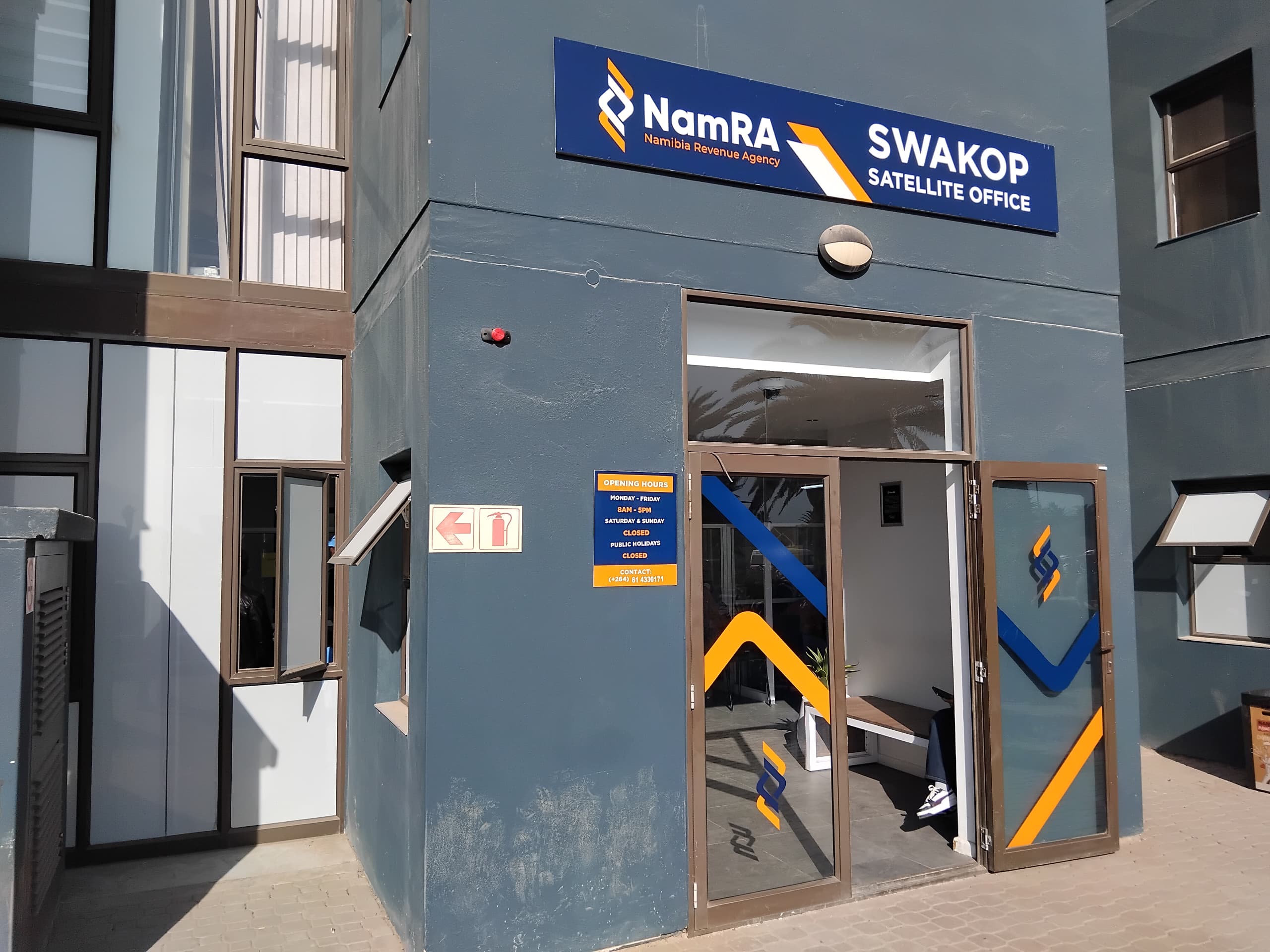

Ombudsman Basilius Dyakugha has delivered a scathing report that shows the Namibia Revenue Agency (NamRA)’s recruitment process was marred by maladministration, lack of transparency and what appears to be unlawful discrimination based on race and ethnicity.
The damning report, triggered by a complaint from a rejected job applicant, found that NamRA failed to follow its own Recruitment, Selection and Induction Policy, altered advertised criteria mid-process, and could not justify the apparent use of “tribal groupings” in shortlisting candidates.
The report, recently released through Parliament, is dated March 2024 and was compiled by the Ombudsman’s Investigation Division.
The report raises serious questions about governance at one of the country’s most critical public institutions. Whether the agency’s board or the Ministry of Finance will take disciplinary or corrective action remains to be seen. However, the Ombudsman’s message is unequivocal: public trust depends on fair, lawful and transparent administration, particularly when it comes to access to employment.
The Dyakugha’s investigation stemmed from a complaint by a candidate who applied for the position of Assistant Tax Officer, who alleged that despite passing the interview and being recommended for appointment, she was ultimately excluded after NamRA amended the advertised requirements during or after the recruitment process. She further claimed she was discriminated against because she hails from the Kavango East region.
The report calls for urgent reforms in NamRA’s recruitment processes, including stricter adherence to merit-based criteria, the establishment of independent oversight mechanisms, the use of automated recruitment systems to ensure accountability, and regular audits of hiring practices.
NamRA, as a State institution, “should not repeat the practices outlined in this report and should defend and uphold national laws and update and consistently implement its own policies,” the Ombudsman recommends. After reviewing documents and interviewing officials, the Ombudsman concluded that NamRA should have adhered strictly to its established recruitment procedures, from advertising and panel interviews to scoring, recommendations and final approval by the commissioner.
“The policy does not give management or the commissioner discretion to change the selection criteria after the advertisement process,” the report states. Even if such discretion existed, the Ombudsman found that “the lack of transparency and inconsistencies render the process unfair.”
One of the most serious findings relates to NamRA’s decision to set aside the originally advertised years of required experience and introduce a new selection criterion, prioritising unemployed graduates. According to the report, the agency subsequently appointed not only unemployed graduates but also employed graduates, with the new criteria applied inconsistently.
The Ombudsman concluded that amending the requirements after the advertisement was published, without lawful justification, violated Article 18 of the Namibian Constitution, which guarantees fair administrative action.
“Making decisions that are contrary to the institution’s policy… is an act of bad governance of a public institution,” the report states. The Ombudsman rejected NamRA’s suggestion that the decision was merely a “rule-making process”, finding instead that it was an administrative decision affecting the rights and legitimate expectations of applicants and was therefore subject to principles of natural justice.
Most alarming, however, are findings related to NamRA’s alleged racial or ethnic categorisation of candidates. Despite NamRA’s denial that it engaged in “tribal grouping”, the Ombudsman said documentation provided during the investigation included lists for positions such as Hygiene Officer and Assistant Tax Officer that reflected such groupings.
According to evidence cited in the report, prospective candidates were grouped into categories based on race, colour or ethnic origin. The Ombudsman concluded that “the only reasonable inference” was that candidates were shortlisted, recommended and appointed according to these groupings under the banner of “diversity”.
NamRA denied this, stating that an external recruitment agency handled shortlisting and that no racial grouping took place. The list of 32 appointed staff members, NamRA argued, was provided to dispel the perception of ethnic exclusion.
However, the Ombudsman found no disclosed policy framework defining or regulating how “diversity” was to be applied in recruitment decisions.
Namibia’s Labour Act prohibits direct or indirect discrimination in employment decisions, including advertising, recruitment and selection, on grounds such as race, colour or ethnic origin. While the law allows affirmative action to redress past disadvantages, the Ombudsman noted all applicants in this case appeared to fall within the legally defined category of “racially disadvantaged persons”, rendering further ethnic differentiation unjustifiable.
NamRA officials interviewed during the Ombudsman’s probe were unable to confirm whether any diversity measure was approved by the Employment Equity Commission, as required under the Affirmative Action (Employment) Act. Nor could they establish that belonging to a specific ethnic group was an inherent requirement of the job.
The Ombudsman ultimately concluded that the recruitment process was “ostensibly done based on the criteria of race/ethnicity/tribe”, amounting to unfair discrimination against the complainant and other candidates who had passed interviews and were recommended but later disqualified.