
Namibia stands at defining crossroads. For decades, our economy has been anchored by mining, tourism, agriculture, and related sectors that keep the country running. These industries matter, and they will continue to matter. Yet the world is shifting rapidly, and our thinking around where sustainable livelihoods come from also needs to evolve.
One of the most underestimated frontiers of economic growth is the arts and creative economy.
Across the globe, young people are building stable, well-paying careers in music, fashion, film, theatre, visual art, design, audio production, and digital content creation. These are no longer side hustles or weekend passions. They are structured professions supported by technology, online media, global audiences, and modern revenue models that did not exist a decade ago.
Namibia cannot afford to overlook this shift.
A global shift we should pay attention to
Social media platforms, streaming services, online marketplaces, and digital tools have reshaped how talent is discovered, distributed, and monetised. Creative work is no longer confined to local stages or galleries. Today, a phone, a camera, a microphone, and an internet connection can open access to a global market.
A clear example is IShowSpeed, a young content creator with millions of followers across platforms. Through online content, live streams, brand partnerships, and digital engagement, he earns a living doing what many once dismissed as “just entertainment.” This is not an isolated case, it reflects a growing global creative economy.
Namibia’s creative reality
In Namibia, many talented artists continue to face significant challenges. Musicians, designers, filmmakers, actors, and content creators often rely on unrelated formal employment, not due to a lack of talent or commitment, but because creative work alone seldom covers basic living costs.
This is not a shortage of ability. It is a structural gap. There is also a pattern we need to confront honestly. Too often, Namibian talent is only recognised after being scouted, validated, or celebrated abroad. Many creatives search for opportunities, platforms, and support locally without success, only to gain recognition once international stages, markets, or audiences acknowledge their work. Suddenly, when they become globally visible, we are quick to celebrate them or claim them as national success stories. This approach needs reflection. We should value our own talent first by investing in our creatives, amplifying their work, and believing in their potential, rather than waiting for outsiders to identify our brilliance on our behalf. We should be the first to spot, nurture, and elevate our creative voices.
Training, recognition, and funding matter
For the arts sector to grow, training opportunities need to be expanded and formalised. Creative talent flourishes when it is nurtured through:
– Accredited courses and short programmes.
– Masterclasses led by industry professionals.
– Skills-based training in digital production, marketing, and intellectual property.
– Mentorship and incubation programmes for emerging artists.
– Equally important is recognition. Creative training should carry professional credibility and provide pathways for artists to qualify for grants, funding, and industry support. When artists can point to recognised training and structured development, it becomes easier for funders, sponsors, and institutions to invest with confidence.
This is where funding mechanisms play an important role. Dedicated creative funds, public–private partnerships, and accessible grant systems can help artists move from survival mode into sustainable careers.
Digital monetisation, new opportunities
Another practical step is to accelerate YouTube monetisation and other digital revenue streams in Namibia. Content creators should be able to earn locally without complex workarounds or external registrations.
When monetisation systems are accessible, young people can generate income in foreign currency, digital exports grow without traditional trade barriers, rural and urban creatives compete on equal footing, creativity becomes a viable long-term profession. Namibian content also gains wider global reach, increasing visibility, influence, and international collaboration opportunities
This is not about trends or popularity—it is about economic inclusion in the digital age.
A shared responsibility
Repositioning the arts as a viable career path calls for collective action. Government can strengthen policy recognition and sector support, private sector and brands can invest in creatives as long-term partners, educational institutions can integrate creative and digital skills into curricula. Telecoms and technology companies can also support access, platforms, and innovation, and media houses can amplify success stories and creative excellence.
Progress happens when creativity is treated with the same seriousness as other economic sectors.
Envisioning a creative future
Many countries’ citizens buy homes, support families, and boost economies through arts careers. Namibian creatives should not be excluded from this future. Our filmmakers can tell border-crossing stories. Designers shape global aesthetics.
Musicians export sound, culture, and identity. Digital creators, photographers, videographers, and poets can become global voices, shaping culture, sharing our stories, and speaking truth worldwide.
The arts are not separate from development; they are part of it.
As Namibia looks ahead, embracing the creative economy presents an opportunity to unlock talent, create jobs, inspire a generation, and tell Namibia’s story to the world through its own creative voices. With the right training, recognition, funding, and digital access, the arts can evolve from a passion pursued on the side into a respected, sustainable career path.
The narrative can change, and with collaboration, it will.
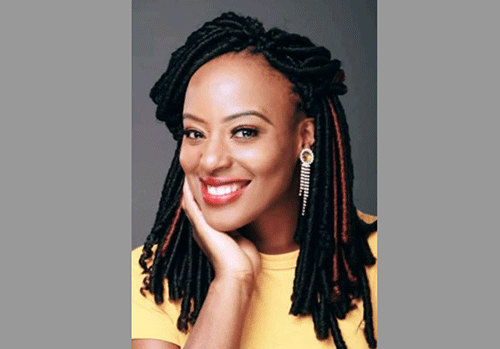
*Sarah Goroh is an award-winning writer, life coach, strategist, youth advocate, and project director – Global Reputation Forum A.U.C.S. (African Union Commission Simulation – Agenda 2063) Ambassador – Jet Age Nation Builders. She can be reached on charizmainspire@hotmail.com