


Auleria Wakudumo
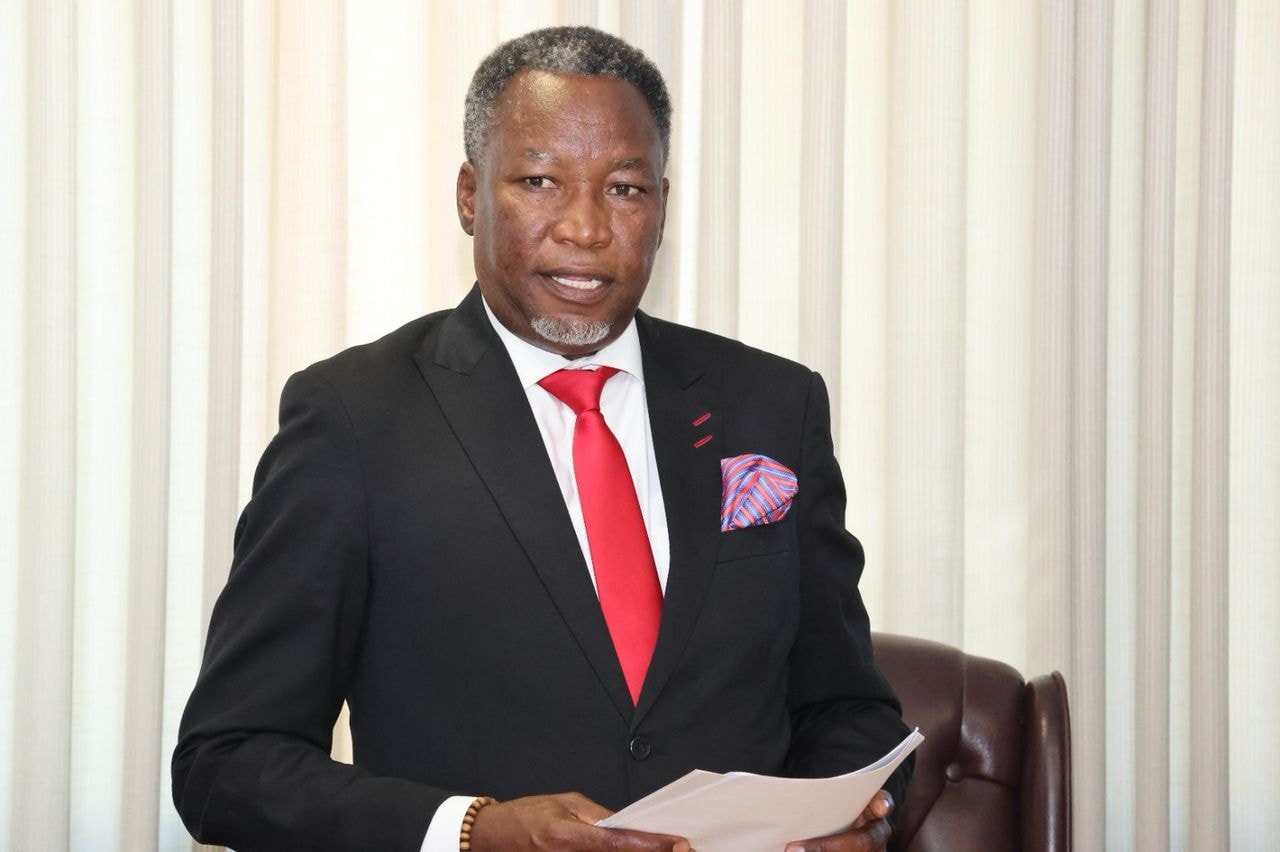
Oshikoto governor Sacky Kathindi said the region needs approximately N$22 million to comprehensively address persistent water challenges affecting communities across the region.
This comes as the region intensifies interventions to improve water access in constituencies hardest hit by recurring shortages, poor water infrastructure and saline groundwater.
Kathindi said, although the region recently secured N$6.4 million through the Environmental Investment Fund of Namibia (EIF) for the initial phase of water interventions, more funding is still required to fully resolve the crisis affecting thousands of residents.
“Subject to securing further funding estimated at N$22 million, we aim to comprehensively address water challenges across the region,” he said.
The governor told New Era that technical assessments are underway to determine how many boreholes will be drilled and rehabilitated in the first phase of the project.
The recent signing of an agreement between the Oshikoto Regional Council and the EIF in Windhoek paved the way for the release of the N$6.4 million funding package.
The money will focus on immediate interventions in areas experiencing severe shortages.
Kathindi identified Eengodi, Nehale Lya Mpingana, Omuntele and Okankolo constituencies among the areas most affected by water scarcity and will benefit from this initiative. Residents in some of these constituencies continue to travel long distances to access potable water, while others depend on boreholes producing saline water unfit for human consumption.
Kathindi acknowledged that poor water quality remains a major concern in parts of the region, particularly where underground water sources contain high salt concentrations.
He stressed that the current intervention is not only focused on increasing water access but also on improving the quality of water supplied to communities.
“The initiative is designed not only to increase water access but also to improve water quality. Measures such as water treatment solutions and the identification of alternative water sources will be considered as part of the implementation process,” he said. The governor noted that the region’s long-term strategy goes beyond borehole drilling and rehabilitation.
As part of broader efforts to improve water security, local authorities and community structures are being encouraged to identify sites suitable for the excavation of new earth dams and the rehabilitation of existing ones.
Kathindi said these projects are expected to be implemented through cash-for-work and food-for-work programmes aimed at creating temporary employment opportunities while addressing urgent water needs in rural communities.
He said the programmes will not only strengthen access to water but also improve livelihoods for vulnerable households affected by unemployment and drought conditions. In another major development, Kathindi told New Era that the Office of the Prime Minister in collaboration with his office is actively working towards reviving the long-awaited Oshigambo Canal project.
The project is expected to play a critical role in strengthening water supply systems and supporting agricultural development across the region. For years, communities in Oshikoto have faced recurring drought conditions and unreliable rainfall patterns.
This placed pressure on existing water infrastructure and agricultural activities.
Kathindi explained that the revival of the canal project is seen as a strategic intervention that could improve irrigation opportunities, livestock production and household food security. He said ensuring water security remains central to the region’s broader development agenda. The governor added that his office has also engaged several stakeholders and potential partners to mobilise additional support for water infrastructure development.
Among the institutions approached are Namport, Jendev and Hangana.
“We are optimistic that these engagements will yield positive support towards addressing water challenges in the Oshikoto region,” he said. The governor has consistently identified access to potable water, infrastructure development and agricultural production among Oshikoto’s top developmental priorities since assuming office.
The region, like many northern areas, continues to face increasing pressure from climate variability, prolonged dry spells and growing demand for reliable water infrastructure.
-awakudumo@nepc.com.na