


KATIMA MULILO – Residential childcare facilities and institutions caring for persons with disabilities in the Zambezi region are struggling to survive amid inadequate funding and the withdrawal of key donors.
This prompted Parliament to call for urgent intervention and stronger support systems.
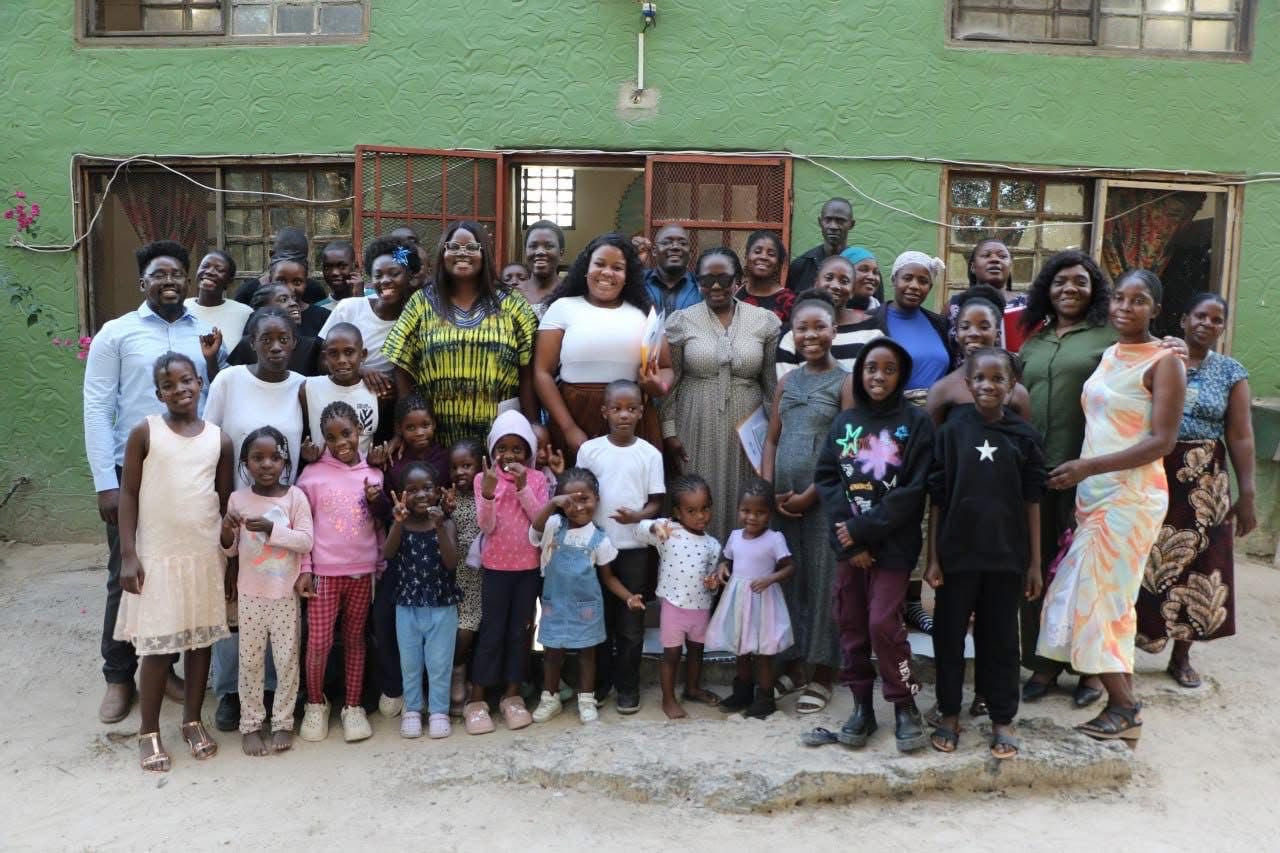
The concerns emerged during an oversight visit by the Parliamentary Standing Committee on Gender Equality, Health and Social Welfare to several welfare institutions in Katima Mulilo and surrounding areas last week.
Led by committee chairperson Christine Sikongo Haindaka, the delegation visited several welfare institutions in Katima Mulilo and surrounding areas as part of Parliament’s constitutional mandate to monitor the implementation of government policies, legislation and public service delivery relating to vulnerable groups.
The committee’s programme, which started on Tuesday, included a courtesy call to Zambezi governor Dorothy Kabula-Simushi before visits to Cheshire Home and Children of Zion Village.
On Wednesday, the delegation continued with visits to facilities catering for visually impaired people and the Mainstream Foundation.
Speaking to New Era after the visits, Haindaka said the oversight mission was aimed at assessing the living conditions, care and welfare of vulnerable children and persons with disabilities while engaging directly with institutions on challenges affecting service delivery.
“The committee deemed it necessary to visit the Zambezi region at this time in order to engage directly with residential childcare facilities and other welfare institutions to better understand the challenges they are facing on the ground, assess compliance with minimum standards, and identify areas where support and intervention may be required,” she said.
Haindaka noted that although many institutions were operating under difficult circumstances, staff members and caregivers continued to demonstrate commitment and dedication in caring for vulnerable members of society.
“The committee observed that many of the facilities visited are doing commendable work under very difficult circumstances. Staff members and caregivers continue to provide care and protection to vulnerable children and persons with disabilities despite limited resources,” she said.
However, the committee also identified several pressing challenges, including inadequate and unsustainable funding, shortages of trained caregivers and social workers, insufficient infrastructure and limited specialised equipment for people with disabilities.
According to Haindaka, many of the institutions rely heavily on donor support and community goodwill to remain operational.
“Unfortunately, some donors have withdrawn over time, placing additional pressure on the facilities and affecting their ability to fully provide essential services,” she added.
The committee further heard concerns relating to high operational costs, inadequate government support and difficulties in sustaining programmes aimed at protecting and empowering vulnerable children.
Despite these challenges, Haindaka said the delegation was encouraged by the positive impact some institutions continue to make in the lives of children and persons with disabilities.
“There are positive stories of children receiving education, care and support that have enabled them to improve their lives and integrate into society,” she said.
The committee expects that findings and recommendations from the oversight visit will contribute towards improving social welfare services and strengthening protection systems for vulnerable groups across the country.
“A comprehensive report will be compiled and tabled before Parliament, and the relevant line ministry will be informed of the observations and recommendations made by the committee,” Haindaka noted.
She stressed that the ultimate objective is to ensure that vulnerable children and persons with disabilities are protected, treated with dignity and provided with the necessary support services they deserve.
Haindaka also commended institutions, caregivers and stakeholders for their continued dedication despite limited resources.
“As members of Parliament, our responsibility is not only to pass laws, but also to ensure that those laws are working in practice. Today, we are particularly focusing on the implementation of the Child Care and Protection Act and the Children’s Act, which place the best interests of the child at the centre of all decisions affecting children,” she said.
She further called on the government, the private sector, development partners and communities to work together in strengthening social protection systems and supporting facilities caring for vulnerable members of society.
-anakale@nepc.com.na