


OMUGULUGOMBASHE – A 46-year-old woman died on Thursday after being attacked by a roaming elephant in Omugulugombashe village in the Omusati region.
The deceased, Klaudia Mwaala, was allegedly trying to take pictures with the animal when the tragic incident occurred.
Mwaala is survived by her husband and four children.
A witness, Johannes Paulus, recounted last week’s event to New Era.
He narrated that he and seven others approached the elephant to take pictures.
During that time, Mwaala first pulled the elephant’s tail, which caused the animal to attack her, but she managed to escape.
“We kept following the elephant. Later, one of the villagers shot it in the leg, and it collapsed,” he said.
Paulus said Mwaala believed the elephant was dead, so she approached it to touch its head while asking others to take pictures.
“The elephant suddenly turned around and attacked her. She was seriously injured, and her intestines were damaged. She died on the spot,” he said.
Paulus said he immediately informed the police.
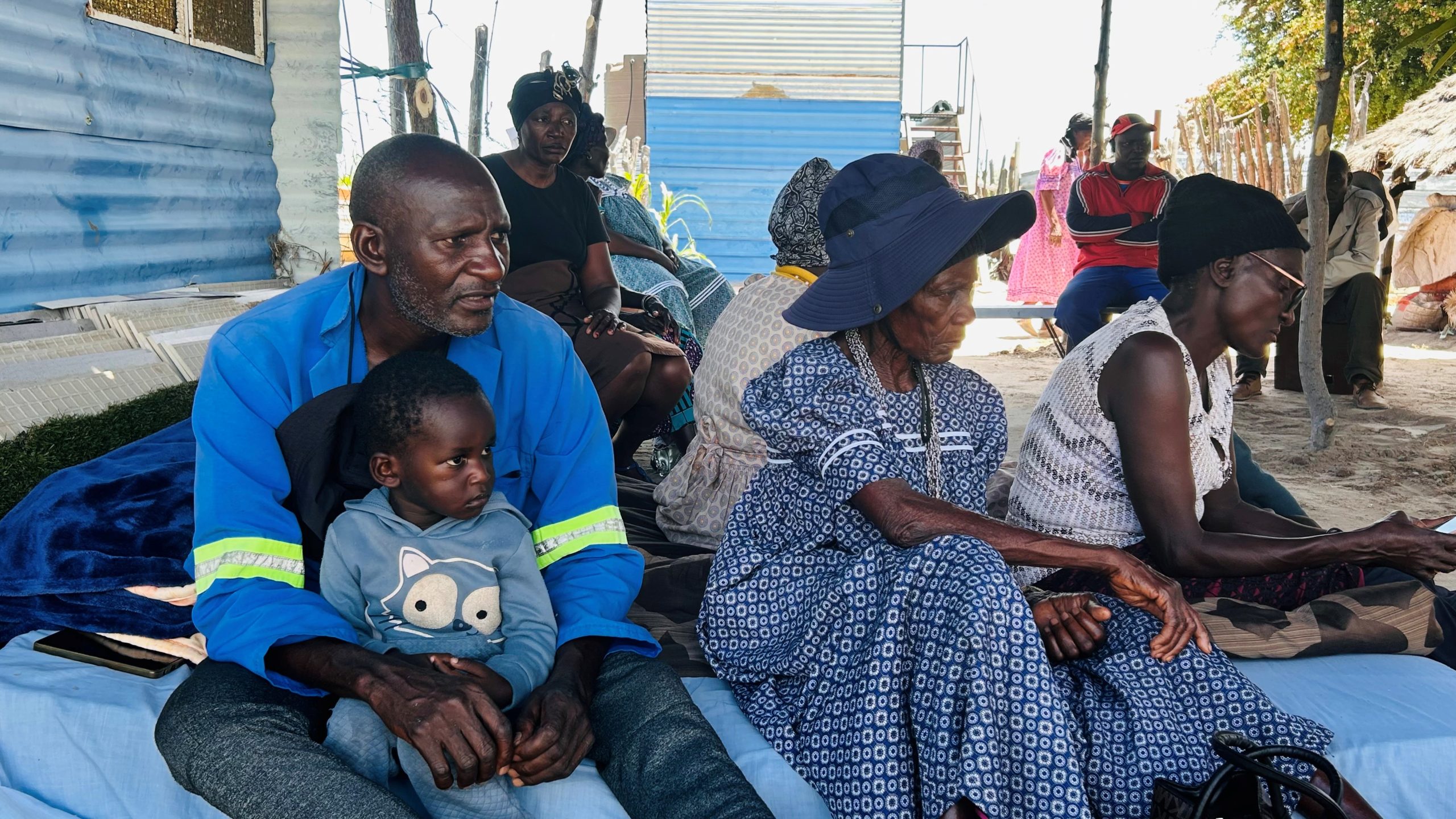
The widower, Festus Iipinge, said he was not in the village when the incident occurred.
“I was away for work. I received a call that my wife had been killed by an elephant,” he said.
He described Mwaala as a peaceful woman and a caring mother, who devoted herself to raising their children.
Following the incident, the resident called on the government to ensure a speedy response to such incidents and to have officials patrol the area on a regular basis.
Salti Mwaala, the sister of the deceased, stated that the government needs to take immediate action, as elephants often wander into their mahangu fields.
“We are at risk. Our children are also at risk whenever they come from school,” she said.
She added that elephants are particularly common in the village during the rainy season.
“Imagine calling someone who is far away to attend to an elephant incident. Those officials do not arrive on time. We need a post office in our village,” she said.
Meanwhile, villagers have criticised the environment ministry for not offering sufficient awareness efforts.
They said officials should go door-to-door to educate residents about wildlife dangers.
Vilho Hangula said the ministry has an office in Ruacana that serves the Omusati region, including Omugulugombashe in Tsandi, where the incident happened.
He emphasised the ministry’s commitment to wildlife protection.
“Considering the current season, wildlife are expected to move around in search for greener areas in community fields. When sighted, the community is urged to immediately report to the relevant authorities, including the police or MEFT officials, so they can assist with the safe removal of wildlife from the community,” he said.
He urged residents to refrain from photographing wild animals, warning that such behaviour puts their lives at risk.
“Addressing human-wildlife conflict requires collaboration among stakeholders, including the community. Responsible behaviour is strongly encouraged, as well as urgent reporting when wild animals are seen in communities,” he said.
Hangula also clarified that it is premature to discuss payment of offset amounts to the family, as investigations are still underway.
“However, I would like to clarify that the ministry does not compensate victims of human-wildlife conflict. It only provides assistance in the form of offset payments according to the human-wildlife conflict policy terms and conditions,” he added.
-fhamalwa@nepc.com.na