

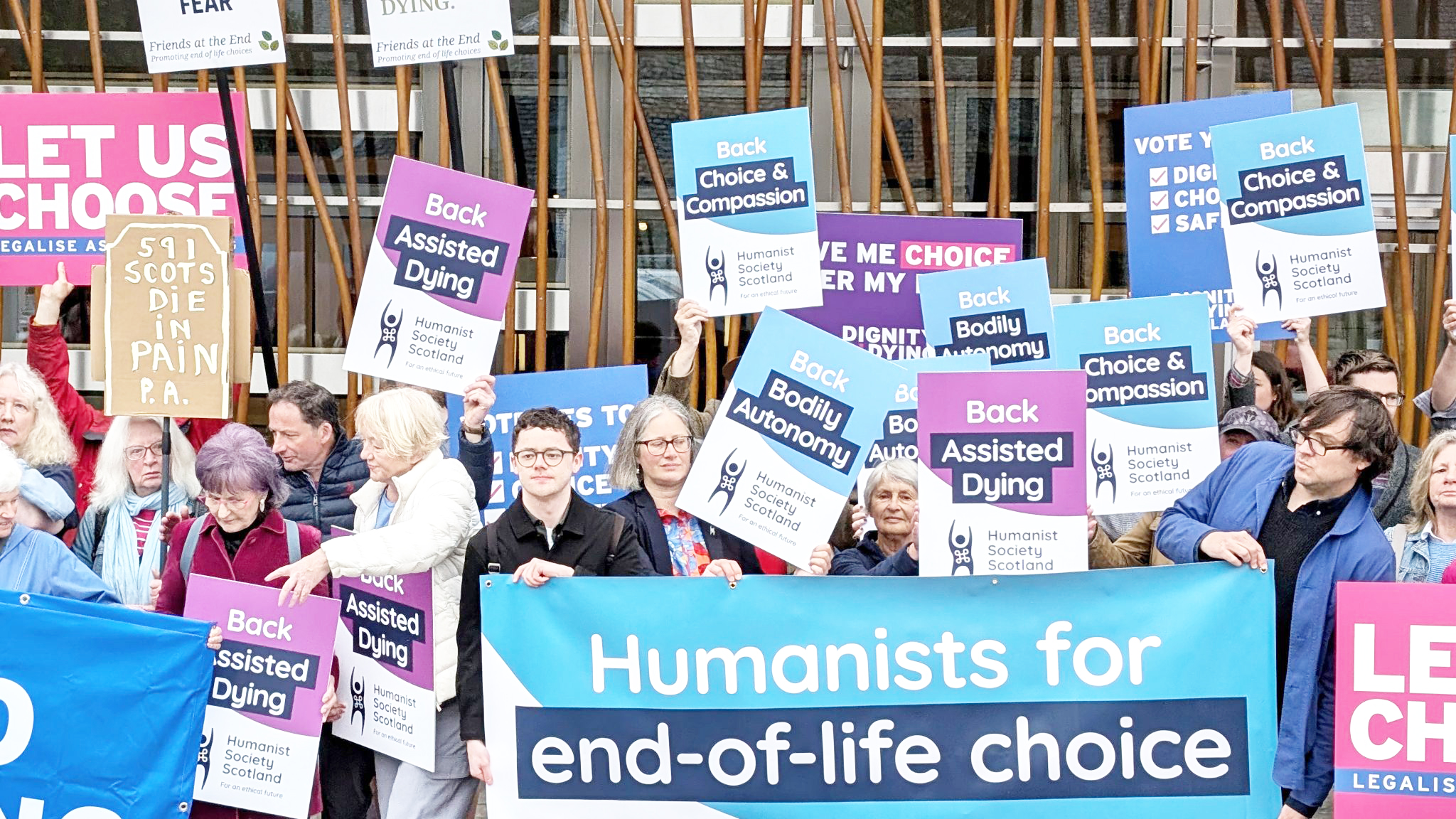

LONDON – Scottish lawmakers rejected a bill on Tuesday that would have legalised assisted dying, as a similar bid in England and Wales stalls in Westminster’s upper chamber.
After debating for more than two hours, regional lawmakers voted down the bill by 69 votes to 57. The proposed law, if passed by parliament and approved by the British government, would have allowed Scots with a terminal illness and a life expectancy of six months or less to seek help to end their life. Liam McArthur, the Liberal Democrat assembly member who proposed the legislation, had urged his colleagues to vote in favour of the bill at the start of the debate on Tuesday, telling them to keep in mind “the voices of dying Scots”.
“All we do by putting off changing the law is push decisions overseas and behind closed doors,” he said. “The issue won’t go away.”
Before the vote, the outcome was seen as too close to call, and parties left the decision up to individual lawmakers.
Emotional debate
The bill was debated for a year and amended multiple times.
Supporters said it would provide people with dignity and compassion at the end of their lives, but opponents feared that disabled and vulnerable people, including the elderly, could be coerced into dying and worried it could impact end of life care.
“Doctors, psychiatrists, pharmacists and palliative care specialists, the people who would be tasked with implementing this, are asking us not to do it,” Scotland’s Deputy First Minister Kate Forbes said ahead of the vote. Many lawmakers spoke with emotion about family members who had suffered from incurable diseases, while patients provided testimony.
Under the Assisted Dying for Terminally Ill Adults (Scotland) Bill, patients would have been eligible for an assisted death if they were “reasonably expected” to die within six months. They would have needed two doctors to confirm they were terminally ill and had the mental capacity to request help to die.
They would have had to administer the substance themselves and would have needed to have been a resident in Scotland for at least 12 months to qualify.
“My conscience tells me this: a society that leaves someone with a terminal diagnosis believing that their only options are to either endure intolerable suffering or end their life prematurely is a society that has failed them,” said Humza Yousaf, an SNP member of the Scottish parliament and former first minister who opposed the bill.
“I refuse to accept that these are the only two choices available,” he added.
Douglas Alexander, the UK government’s spokesman on Scottish issues, had reportedly indicated that the administration would not have blocked the legislation had it been passed by the Scottish parliament.
A separate bid to legalise euthanasia in England and Wales, approved by MPs last year in a landmark vote, looks set to fail after stalling in the House of Lords upper chamber. Lawmakers in the self-governing British dependencies of Jersey and the Isle of Man have already approved assisted dying legislation, but the moves are awaiting royal assent.
-Nampa/AFP