

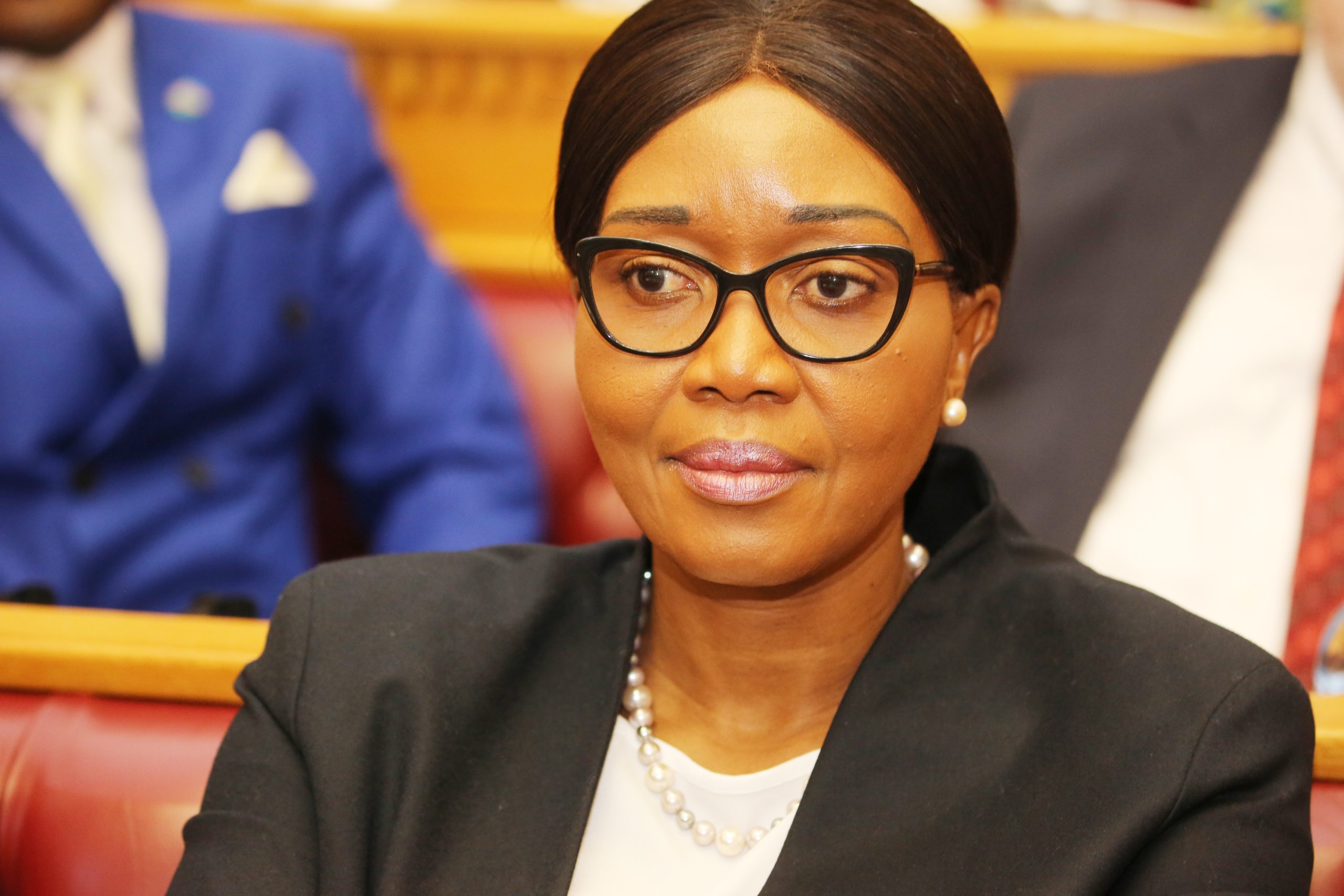

SWAKOPMUND – Public accounts committees across the SADC have been urged to strengthen oversight mechanisms and close loopholes that drain public resources through illicit financial flows, corruption and weak transparency systems in the extractive sector.
Speaking at the opening of the Southern African Development Community Organisation of Public Accounts Committees (SADCOPAC) training programme in Swakopmund recently, Speaker of the National Assembly Saara Kuugongelwa-Amadhila said despite the region’s vast natural resources, many citizens are yet to benefit meaningfully from the wealth generated by extractive industries.
Kuugongelwa-Amadhila said practices such as transfer pricing abuse and opaque contracts continue to deprive governments of much-needed revenue for infrastructure and essential services. “Revenue generated from natural resources has not always translated into meaningful development for our people because of illicit financial flows, weak transparency systems and abuse within the extractive sector,” she said. She added that Public Accounts Committees (PACs) have a critical responsibility in ensuring accountability and protecting public resources from misuse.
“PACs have a critical role to play in demanding transparency in resource revenue mobilisation and management, scrutinising audit findings related to the extractive sector, and collaborating with revenue authorities, financial intelligence units and anti-corruption agencies to close loopholes through which public resources continue to be lost,” she said. Kuugongelwa-Amadhila further called on oversight institutions to move beyond procedural compliance and assess whether public procurement processes are producing real developmental impact for citizens. “Through procurement, governments drive industrialisation, support small and medium enterprises, empower women-owned businesses, promote local content and advance broader developmental objectives. But procurement also remains an area vulnerable to inefficiency, abuse and outright corruption,” she said.
She said oversight work is incomplete if committees fail to assess whether public spending delivers value for money and improves the lives of ordinary citizens.
Also addressing the same gathering was the chairperson of the National Council’s Standing Committee on Public Accounts and Economy Eddie /Nanub who described PACs the “last line of defence” in safeguarding public resources.
Also speaking during the training /Nanub said the theme of the gathering, ‘Strengthening Oversight Capacities for Sustainable Development: Enhancing Accountability and Transparency in Public Financial Management’, reflects the urgent need for stronger oversight systems across the region. “Transparent and responsible use of public funds can improve the lives of citizens through better schools, hospitals, roads and other essential services,” he said.
He warned that poor oversight and weak accountability structures often hurt ordinary citizens the most.
“When oversight fails, it is communities and vulnerable citizens who suffer the consequences through poor service delivery and loss of development opportunities,” he said.
/Nanub then urged delegates attending the regional training programme to use the platform to exchange ideas and strengthen parliamentary oversight systems.
“We are the last line of defence in protecting public resources. This training should strengthen our collective commitment to accountability, transparency and good governance across the SADC region,” he said.