


Auleria Wakudumo
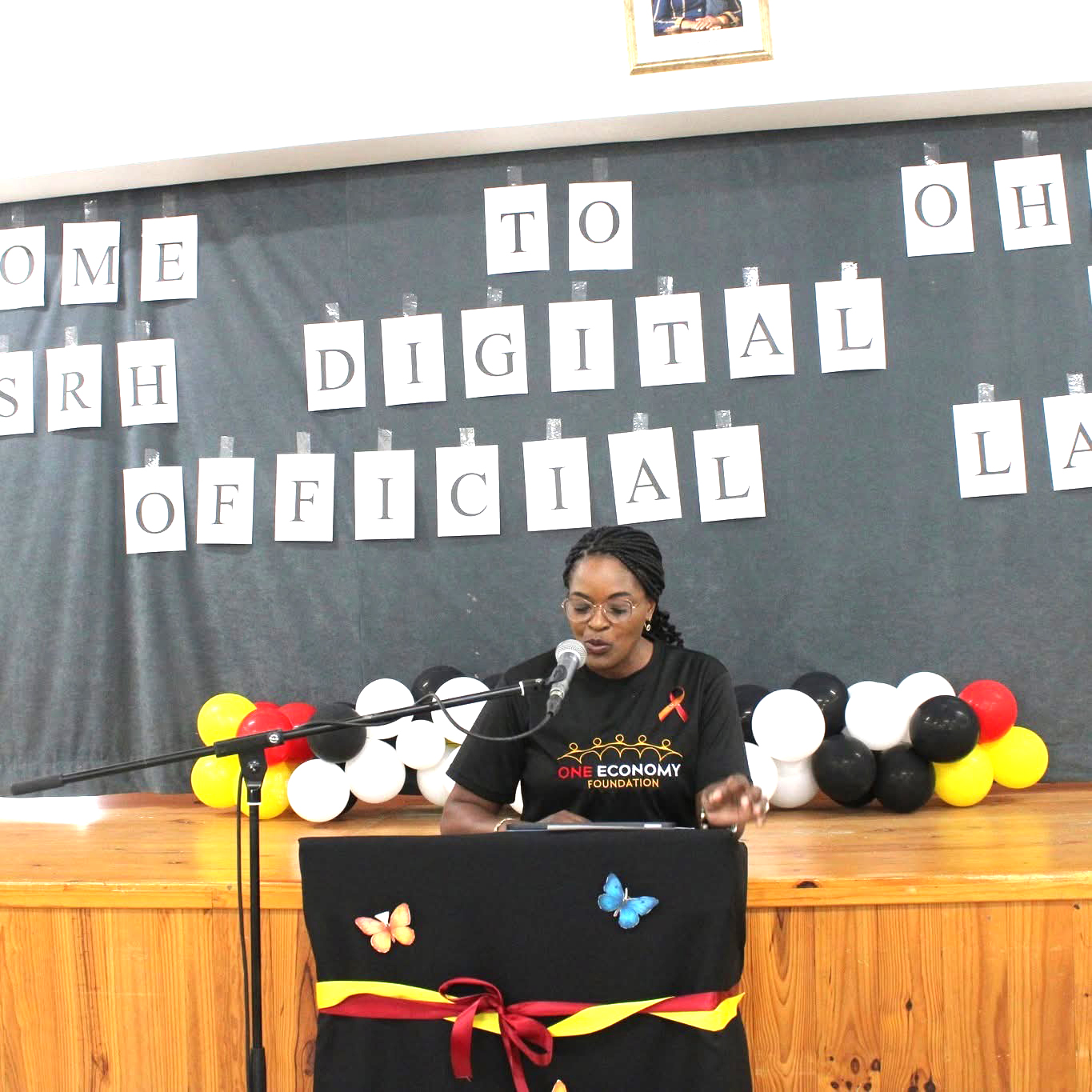
The launch of the Sexual and Reproductive Health (SRH) digital hub under the i-BreakFree project has been hailed as a major step forward in strengthening youth-friendly health services and bridging long-standing gaps in access to accurate information in the Ohangwena region.
SRH digital hub is a platform designed to provide young people with safe, accessible, and confidential access to sexual and reproductive health information online.
Executive Director of the One Economy Foundation Pauline Thomas-Kahupi emphasised that the initiative responds directly to the realities faced by young people who often struggle to find safe spaces to ask questions about their health and wellbeing.
“Where does a young person go when they need answers, knowing that society may judge them and therefore they are afraid to ask questions?” she asked. Thomas-Kahupi explained that many young people continue to face barriers such as stigma, silence, distance to services, and limited access to reliable information.
She said the i-BreakFree project was designed to address these challenges through integrated services that combine sexual and reproductive health education, psychosocial support, and socio-economic empowerment programmes targeting adolescents and young people aged 13 to 35.
Under the project implemented in the Ohangwena and Omusati regions, more than 13 800 adolescent girls and young women have already been reached, with over 8 300 identified as being at high risk of HIV infection.
According to Thomas- Kahupi, the project has exceeded its key performance targets. This reflects strong community engagement and effective partnership implementation.
“These are not just numbers. These are young people who now have information they did not have before, lives where risk has been reduced and futures that are filled with greater possibility,” she said proudly.
Thomas-Kahupi described the hub as a bridge between young people and the services they need.
She noted that digital tools are increasingly becoming the first point of contact for youth seeking information.
She stressed that while technology offers opportunity, inequalities in access must be addressed to ensure that no young person is excluded.
“We must expand access, strengthen digital literacy, and ensure that no young person is left behind, whether online or offline,” she said.
The Chairperson of the Ohangwena Regional Council, Efraim Shipindo welcomed the initiative. He described it as a timely intervention that will contribute significantly to reducing teenage pregnancy and improving health awareness among young people in the region.
Shipindo noted that the digital hub will play a critical role in educating youth and ensuring they are better informed about sexual and reproductive health matters.
He further emphasized the importance of expanding the programme beyond urban and central areas to reach rural communities where access to information remains limited.
“The programme should be extended to villages where sexual education does not reach, and where many people are still afraid to speak openly about sexually transmitted infections and other sexual health issues in clinics and hospitals,” he said.
Shipindo highlighted a persistent challenge in rural communities where cultural norms and stigma often prevent open discussions about sexual health, leaving many young people vulnerable and uninformed.
Those in charge say the SRH digital hub will ensure sustainability beyond the project’s lifespan.
The platform is expected to continue empowering young people with knowledge, fostering informed decision-making, and strengthening community resilience.