


Rudolf Gaiseb
The expected fuel increase was announced yesterday by Minister of Industries, Mines and Energy, Modestus Amutse, who assured motorists and consumers there is sufficient fuel in the country to ensure adequate supply for another three months.
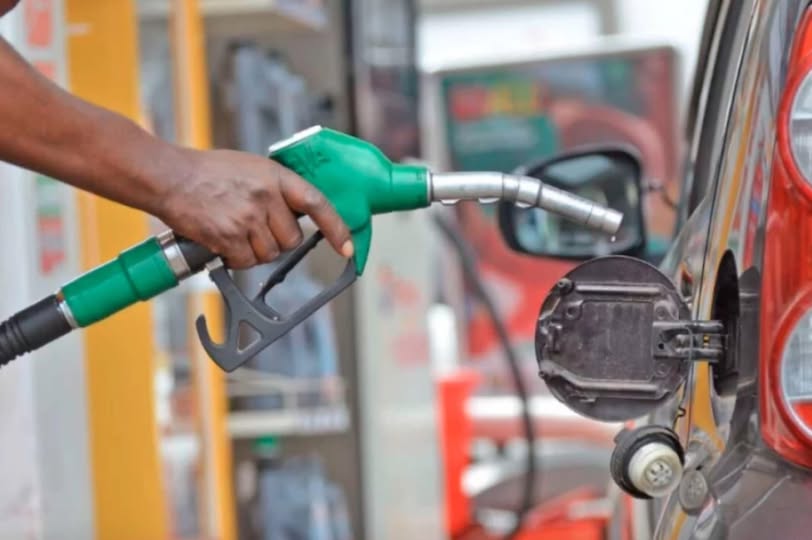
Petrol prices increased nationwide by N$1.40 per litre and both grades of diesel went up by a massive N$4.63 per litre effective today.
However, the national fuel supply remains stable.
Meanwhile, the revised fuel pump prices at the Port of Walvis Bay are N$23.48 per litre for petrol 95, while both grades of diesel will cost N$28.26 per litre.
The exorbitant fuel price adjustments are a result of continued conflict in the Middle East, specifically around the Strait of Hormuz, that have resulted in increases in international oil prices.
“Namibia currently maintains an adequate fuel stock and there is no immediate risk of fuel shortages in the country.
The fuel supply chain remains operational and stable, with sufficient stockholding levels maintained by oil marketing companies to meet national demands,” said Amutse.
The minister noted that Namibia continues to receive scheduled fuel imports through various international supply arrangements.
The minister added that the country imports all its refined petroleum products and, therefore, remains exposed to international oil market volatility and global supply chain disruptions. Overall, the fuel price adjustments are necessitated by many international market developments and increasing fuel importation costs.
This is due to continued geopolitical tensions in the Middle East affecting global oil markets, rising international crude oil and refined petroleum product prices, increased freight and shipping costs from international markets to the Port of Walvis Bay, and higher insurance and fuel procurement premiums charged by the suppliers.
There are factors like the exchange rate fluctuations between the Namibian dollar and the United States dollar, resulting in significantly high under-recoveries recorded in the domestic fuel pricing mechanism, the under-recoveries referring to the shortfalls.
As a result, following these price adjustments, the government has decided to absorb approximately N$1.3 billion payable to suppliers for petroleum products for the months of April and May 2026 through the National Energy Fund (NEF).
The move will cushion consumers against the full impact of international oil price shocks while ensuring continuity and security of domestic fuel supply.
Also, to minimise the burden on consumers, the government, through the Fuel Price Equalisation Fund will absorb a substantial portion of the cumulative under recoveries and associated fuel import premiums.
The government will pay an amount of N$805 million to offset April 2026 cumulative under-recoveries and associated fuel premiums.
Amutse continued that an additional projected amount of N$490 million will be allocated to offset the cumulative under-recoveries and associated fuel premiums for May 2026.
The government has also temporarily subsidised selected statutory fuel levels by up to 50%, effective 1 April 2026, for a period of three months. As such, the State will continue to subsidise the transportation cost of fuel to remote and rural areas across the country through the Fuel Equalisation Fund.
“The government will continue to provide fuel road delivery subsidy amounting to approximately N$13 million per month to subsidise the transportation of fuel from the last railhead fuel depots to rural areas and far-off destinations throughout the country,” Amutse said.
Meanwhile, Namibia consumes about 100 million litres per month, with petrol accounting for 30% and diesel accounting for 70%.
The minister yesterday warned that factors like panic buying experienced last month, increase domestic fuel consumption. During this period, the fuel consumption increased to approximately 120 litres, he said.
As a result, service stations have been directed for the next three months to only refuel directly into the customer’s vehicle or machinery.
The filling of additional drums and cans or other containers is prohibited during this period, except for those that are in possession of consumer installation certificates.
“This temporary measure is intended to discourage stockpiling and fuel holding and ensure that fuel remains accessible to all motorists.
“It is very serious that we stop panic buying, which is very unnecessary, and it puts pressure on the economy,” he discouraged. -rrgaiseb@gmail.com