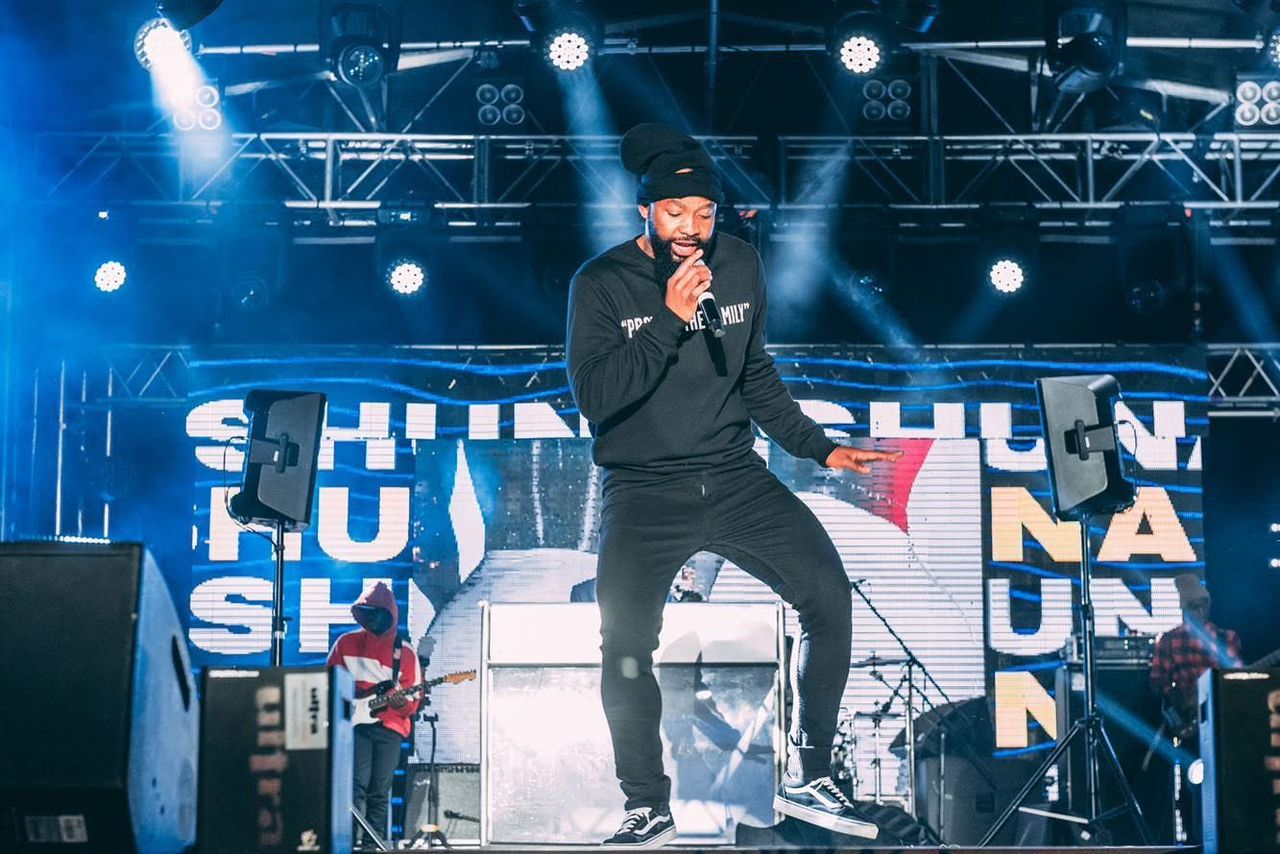

Award-winning artist Lazarus Shiimi, better known as Gazza, became the first musician to be appointed to the ruling party’s policy unit, the Swapo Party Think Tank.
The artist falls under Cluster 4, which focuses on youth empowerment, sport, and national service.
The Swapo Think Tank is a strategic research and policy advisory group established by the party’s leadership around 2008, following resolutions from Congresses and Central Committee meetings. It was created to assist the party with analysis, research, and policy work that supports both party leadership and national governance.
The Think Tank is composed of party cadres from various professions, including government, academia, business, and other sectors, who serve voluntarily. It operates through various committees that focus on areas such as economics, social issues, governance, diplomacy, and science and technology, depending on the party’s needs at a given time.
Its work includes providing research-based policy advice on key national issues, helping to develop party manifestos ahead of elections. It also advises the leadership on political and governance challenges, and supporting internal decision-making on policies and laws considered in parliament.
The Think Tank plays an important role in shaping Swapo’s policy direction, which often has a direct impact on Namibia’s development path.
Gazza has often spoken about empowerment, youth development, and social responsibility, values that align closely with Swapo’s historical message.
“I interpret this appointment as a recognition that creativity is not separate from nation-building. Being the first artist appointed to the Swapo Think Tank signals an important shift: that the voices of creatives, who are deeply connected to society’s realities, aspirations, and frustrations, are valued at a policy level. The message to creatives across the country is clear: that their work matters beyond entertainment. Their insights, lived experiences, and influence can and should contribute to shaping the country’s future,” said the artist.
He added that his background in music has placed him in direct and continuous engagement with young people from all walks of life.
According to him, he understands the challenges they face, including unemployment, limited access to opportunities, and issues of identity and purpose.
“Music has also taught me discipline, teamwork, resilience, and entrepreneurship. These lessons translate well into youth empowerment and sport, where structure, mentorship, and long-term development are essential. I believe my role is to help design practical pathways that link talent development, skills training, national service, and economic participation,” he said.
“I take that responsibility seriously. I intend to use this platform to demystify leadership and national participation, especially for young people who feel excluded or unheard. By engaging openly with youth, encouraging civic responsibility, and promoting service-oriented leadership. I want to show that contributing to national development is not reserved for a few but is a shared responsibility. My aim is to inspire young people to see themselves as active stakeholders in Namibia’s future,” he added.
The award-winning artist shared that he will be championing policies that focus on sustainable creative and sports economies.
This includes proper intellectual property protection, access to funding and infrastructure, formal training institutions, and structured pathways from grassroots to professional levels.
He added that, for young artists and athletes, “it is important to move beyond talent recognition to systems that support long-term careers, financial literacy, and post-career opportunities. These sectors can contribute significantly to employment creation and national revenue if properly structured.”
“I understand the concerns, but I respectfully disagree with the assumption behind them. Artists are not detached observers; we are active participants in society. We reflect social realities, influence public discourse, and often engage directly with communities long before policymakers do. The value artists bring to governance discussions lies in their perspectives, cultural insight, and ability to communicate complex ideas in ways that resonate with the public. Good governance benefits from diverse voices, and artists are part of that diversity,” he said.
-pmukobi@nepc.com.na