


Eba Kandovazu
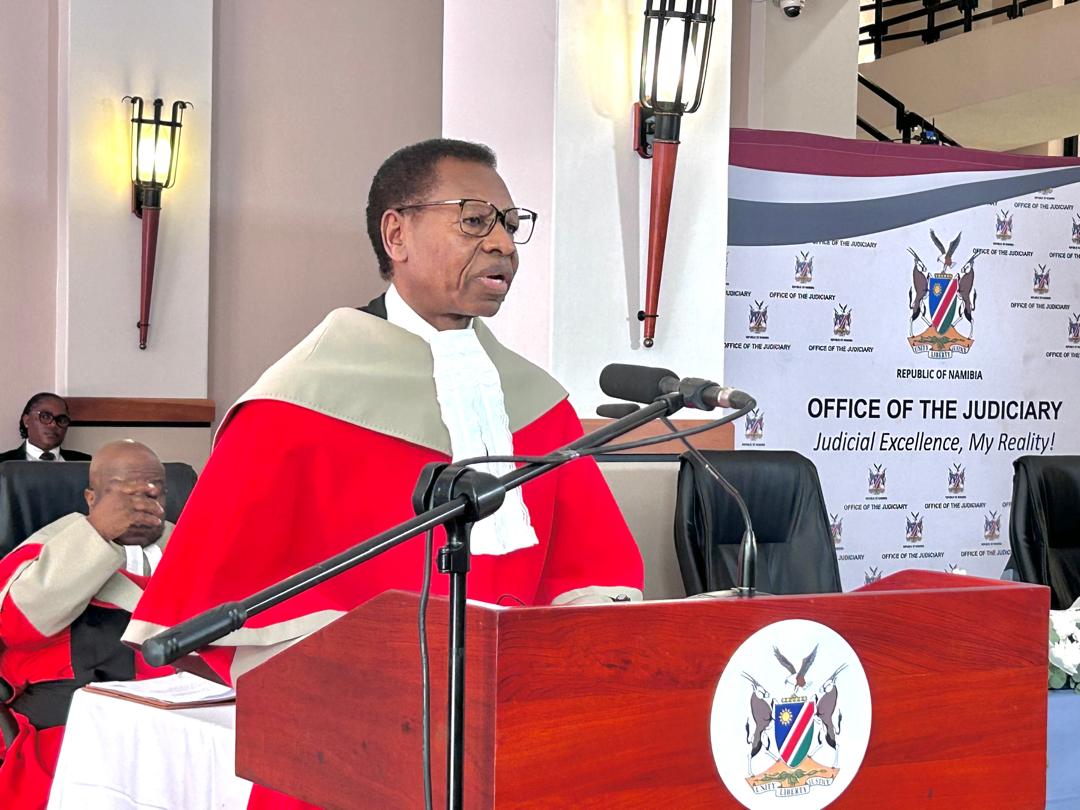
Alternative dispute resolution in criminal matters through plea bargaining has received acceptance from all sectors of the criminal justice sector and is set to gain momentum in 2026, Chief Justice Peter Shivute said on Thursday.
Shivute, in his address at the opening of the 2026 Legal Year, said the national conference on Alternative Dispute Resolution (ADR) held in June 2025 demonstrated broad support for this reform.
“Our work with a jurisdiction where these measures have been introduced, has enriched this process,” he said.
Momentum was gained in October during the ADR Training Week conducted in collaboration with the Sudreau Global Justice Institute at Pepperdine University’s Caruso School of Law in California, an initiative arising from Namibia’s membership of the African Chief Justices’ ADR Forum.
Minister of Justice and Labour Relations, Fillemon Immanuel, welcomed the transition and said the plea bargaining system is a vital tool for managing the heavy workload currently faced by national courts.
Immanuel, in an interview with Nampa, said the system is aimed at providing efficiency, ensuring the speedy disposal of cases, and the conclusion of criminal trials within reasonable time limits.
Lawyer Kadhila Amoomo last year submitted recommendations to Immanuel to introduce plea bargaining to the Namibian criminal justice system, saying it would allow suspects to plead guilty in exchange for a lighter sentence or dropped charges under agreed conditions.
“This will curtail the length it takes to finalise criminal cases in Namibia. As we speak, it takes roughly around three to five years to finalise a criminal case. If we introduce plea bargaining like other jurisprudences, we are likely to achieve a curtailment in the criminal justice system. We would like the minister to introduce a legislative reform,” Amoomo said.
-Nampa