


Abraham Mwanyekange
Since Namibia gained independence in 1990, the Oshikoto Region has recorded steady development across key sectors, improving infrastructure, education, healthcare and livelihoods.
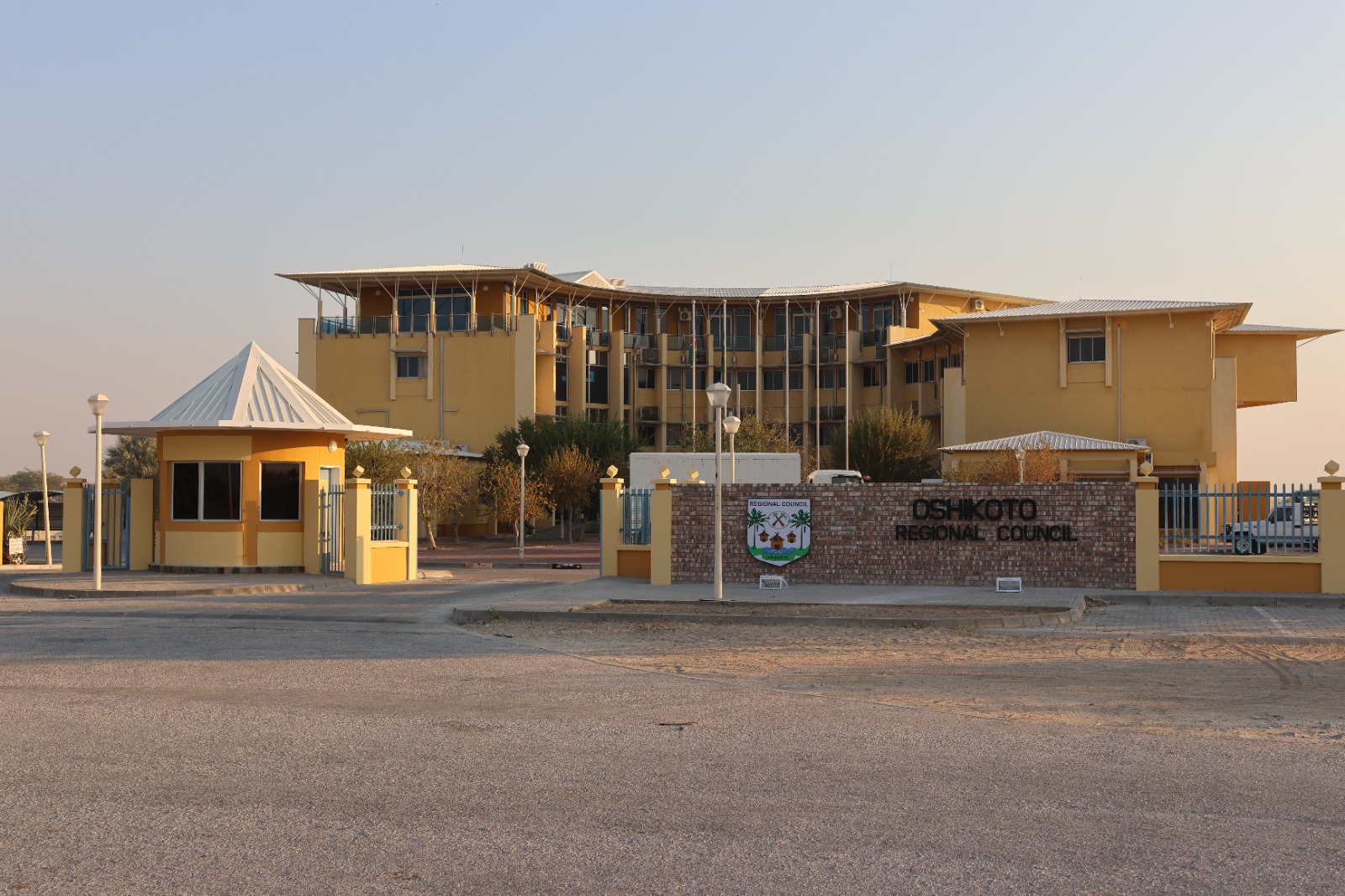
The Oshikoto Regional Council, established on 31 August 1992 under the Regional Councils Act, has played a central role in coordinating development and governance in the region. A major milestone was the construction of its headquarters in Omuthiya, which was declared the regional capital in 2008.
To improve access to government services, the council established 11 constituency offices in areas such as Oniipa, Onayena, Olukonda, Onyaanya, Omuntele and Okankolo. These offices have reduced the need for residents to travel long distances to access services.
Urban development has also expanded over the years. Onayena was proclaimed a settlement in 1997, paving the way for structured planning. Land servicing and surveying projects in areas such as Onyuulaye and Oshivelo have facilitated the development of housing, roads and essential services.
Infrastructure upgrades have been significant. Water supply systems, electricity, roads and sewer networks have been installed in settlements including Oniipa, Onayena and Oshivelo. Environmental health has also improved through sanitation projects, such as the construction of toilets and waste disposal sites. Water treatment systems, including the Oniipa trickle filter and Oshivelo oxidation ponds, have enhanced sanitation and environmental protection.
Community development initiatives have seen the construction of halls in Omuntele, Oshivelo, Onyaanya, Eengodi and Okankolo, providing spaces for meetings and local events. Housing programmes, particularly the Build Together initiative, have delivered modern homes in areas such as Onayena and Oshivelo, while the establishment of the Oshivelo Open Market has created opportunities for small-scale traders.
Economic activity has also grown. The opening of the Okaale Lifestyle Centre in Omuthiya in November 2021 has boosted local business and improved access to goods and services.
Education and skills development have expanded considerably. The region now has 18 senior secondary schools, one junior secondary school, 19 junior primary schools, several private schools and about 95 combined schools. Training institutions such as the Community Skills Development Centre (COSDEC) in Tsumeb, established in 1999, and the Namibian Institute of Mining and Technology’s northern campus, opened in 2007, have equipped young people with technical and entrepreneurial skills.
Road infrastructure has improved connectivity within the region. Key projects include the tarred roads linking Onandjokwe to Eenhana, Tsumeb to Tsintsabis, as well as Onathinge to Okankolo and Onethindi to Olukonda. Additional gravel roads have connected rural communities.
Healthcare services have also expanded. Facilities such as Onandjokwe Intermediate Hospital, district hospitals in Omuthiya and Tsumeb, as well as private institutions including Selma Rainio Medical Centre and Tsumeb Private Hospital, provide essential care. The region also has three health centres and about 20 clinics serving rural communities.
Agriculture, a key livelihood for many residents, has been supported through the establishment of agricultural development centres in all constituencies, a veterinary clinic in Omuthiya, and water supply infrastructure at Onankali.
Despite these gains, development efforts continue as the region seeks to further improve living conditions and expand opportunities. -Newsroom@nepc.com