


Zebaldt Ngaruka
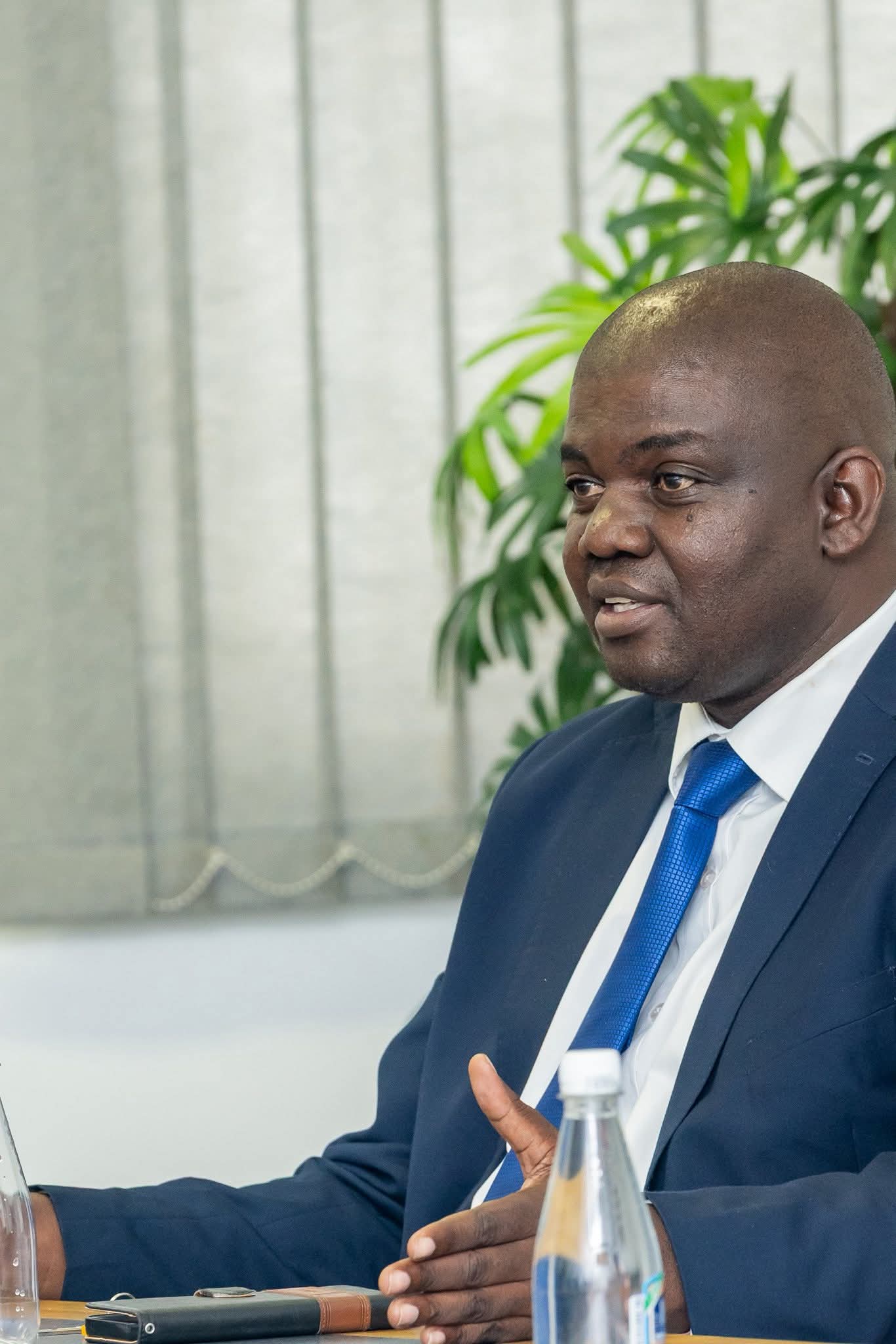
GOBABIS – Deputy Minister of Information and Communication Technology (MICT) Wenzel Kavaka says the ministry is ready to collaborate with schools in the Omaheke region to strengthen ICT development in education.
Kavaka made the remarks at the second Omaheke Regional Education Summit, which focused on strengthening educational partnerships and building on previous initiatives aimed at improving performance at primary, secondary and tertiary levels.
“As the Ministry of ICT, we stand ready to partner with you. We will work closely with the Ministry of Education, Innovation, Youth, Sport, Arts and Culture, regional leadership and development partners to bring more digital opportunities to our schools,” he said.
The deputy minister added that connectivity, digital literacy, e-learning platforms and safe online environments for learners are no longer luxuries, but necessities.
Kavaka said ICT integration involves the use of computers, tablets, internet connectivity, digital learning platforms, projectors and interactive tools, not merely as add-ons.
“They are powerful enablers that transform how teachers teach and how learners learn. It shifts education from teacher-centred rote learning to student-centred, interactive and personalised experiences that prepare our youth for the demands of the 21st-century knowledge economy,” he said.
He further praised Epukiro Secondary School’s (ESS) outstanding performance in last year’s NSSCAS Grade 12 examinations, saying it gave the region something to be proud of.
“ESS delivered an exceptional performance that captured national attention after being ranked fourth nationally and first in the region. All 63 learners who sat for the examinations qualified for tertiary education. This is no small feat,” he said.
Kavaka said the achievement demonstrated what is possible when dedicated principals, committed teachers, supportive school boards, motivated learners and engaged communities work together.
“Epukiro’s success reminds us that excellence is not reserved for big urban schools or well-resourced institutions. It is born in places where leadership is strong, where high standards are set and upheld, and where learners are taught to believe in their own potential,” he said.
The deputy minister also commended school principal Sagarias Tjivahe Uanivi, staff members, learners and parents.
“Your story must become the benchmark and inspiration for every school across our region,” said Kavaka, who is also the constituency councillor for Otjombinde.
He urged principals, school board members, Student Representative Councils and NANSO representatives attending the summit to leave with a renewed sense of hope and purpose.
Kavaka acknowledged that challenges such as limited resources, infrastructure gaps and the pressures of modern life remain, but said last year’s results proved the Omaheke region is on the right path.
“Your tireless fight for the cause of students is not in vain. Every extra lesson you organise, every learner you mentor, every difficult conversation you have with parents, and every time you stand up for quality education, you are shaping the future of this nation,” he said.
Kavaka further assured the youth of Omaheke and the country at large that they are government’s greatest asset.
“When you continue to advocate passionately for better learning environments, access to modern tools and opportunities that match their ambitions, you are not just serving students today, you are building the Namibia we all dream of. You are building a country that is knowledgeable, innovative, digitally empowered and globally competitive,” he said.
Also speaking at the summit was Ignatius Kariseb, one of the founders of the education summit, who expressed appreciation to all those who played a role in establishing and sustaining it.
“This summit was built through collaboration, commitment and institutional resolve. It reflects what we can achieve when leadership and administration move in one direction, guided by a clear purpose,” he said.
Kariseb said he would like to see stronger alignment between education and the socio-economic realities of the region.
“Our education system must produce individuals who are not only academically prepared, but practically equipped to contribute meaningfully to economic development, whether through employment, entrepreneurship or innovation,” said Kariseb, who served as chairperson of the Omaheke Regional Council for 15 years.
He called for continued investment in the pillars that sustain long-term success, including teacher development, digital transformation, and technical and vocational education and training.
“I remain deeply committed to the vision that gave birth to this summit. I am encouraged by the progress made and confident in our collective ability to carry this work forward,” he said.