


Paulina Ndalikokule
NKURENKURU – In a small community where many children struggle with poverty, neglect, or lack of basic support, one woman’s compassion is making an extraordinary difference.
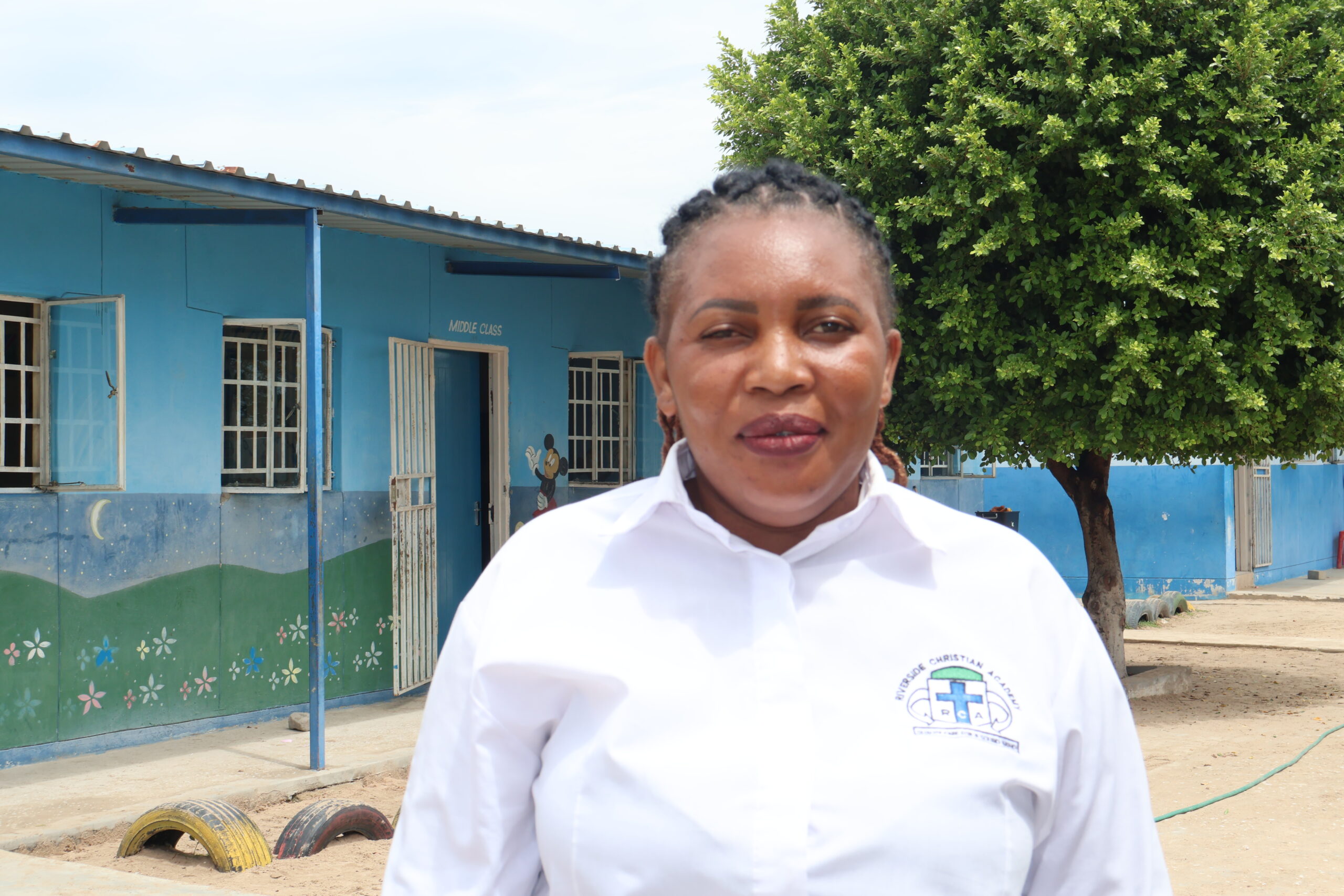
Michelo Sikwale (44) is quietly transforming the futures of 15 vulnerable children in Kavango West, helping them to attend school, have regular meals and feel cared for when life at home can offer little stability.
Her journey began in 2010 when she started a private school, Riverside Christian Academy, in Nkurenkuru, years after she joined her husband, who came to work in Namibia from Zambia.
After settling down, Sikwale could not find a kindergarten to enrol her child and decided to start a kindergarten, which today has enrolled 302 learners, including 15 vulnerable children whom she enrolled for free.
Basic needs
In 2014, while participating in a school outreach programme in the region, she encountered three children who travelled long distances to a local public school and could not afford food and other basic needs.
She says people in the community told her these children were vulnerable and travelled long distances to school, which intrigued and moved her to visit more schools and homes, which opened her eyes to the reality faced by many young learners.
“I followed them to their homes in places as far as deep in the region,” Sikwale explains, recounting the first families she visited, as what she saw touched her deeply. Some houses lacked even the most basic resources. You can see the child is clever but neglected, and that compelled me to take these children to my school,” she said.
Sikwale did not just offer temporary help; she brought the children into a support structure that now includes food, school uniforms and regular guidance.
Today, the children she supports range from those in early primary school to others placed in special care schools because they need more attention. From breakfast to lunch, from uniforms to transport needs, Sikwale says she works extra hard to make sure these children have everything they need to focus on school without worrying about where their next meal will come from.
Adoption
At home, some children return to families that still struggle. To ease the hardship, she buys small food packages and snacks that children can take with them, especially after school or on weekends when food is scarce. Many of these children live in parts of the region where social welfare services are stretched thin, and the number of vulnerable children nationwide has reached hundreds of thousands, according to government reports in recent media updates on the orphan and vulnerable children programme.
Sikwale even opened her own home, adopting one child at six years old, and she is now in grade 8 at Kandjimi Murangi Secondary School. Others are supported through coordinated efforts with schools and carers to ensure they remain engaged in learning and healthy in body and mind. “I don’t do this for praise; I just saw the need, and I felt like this is what I’m meant to do to give back to my community,” she said.
Although a mother of only three biological children, Sikwale says her motivation comes from a soft heart full of love, the same feeling many parents have for their children, and an innate desire to give children a chance they might not otherwise have.
Sikwale acknowledges that her work has challenges, particularly financial ones, as supporting 15 children and many more she identifies through ongoing community outreach and church requires significant resources.
She bears much of the burden personally, and her monthly expenses for food, school supplies, uniforms and transport easily run into thousands of dollars. Yet, she does not hesitate when asked whether she plans to continue. “I will help them until they can stand on their own, although for now I only give them intensive care until they are in grade 12,” she says.
Although she currently rents a hostel facility at a local church to accommodate her learners, nine of whom are her vulnerable children, she plans to build a proper hostel infrastructure and, hopefully, own an orphanage one day.
Community acceptance has been mixed, she said, but for many parents and neighbours, her actions have sparked conversation and recognition of the need to support children in difficult circumstances.
Sikwale also advocates for broader support, including donations and partnerships with organisations willing to strengthen her work.
“Children deserve more; if people can help, whether with food, uniforms or funds, the impact would be greater,” she said.
Additionally, 15-year-old Salome Kanyongo joined Sikwale’s programme last year and is now in grade seven. Kanyongo was identified with her little sister after their home was burnt down about three years ago at Kakuro village. “I found them living in a home covered with plastics after their house burnt, and it was really a sad situation,” she said. Kanyongo said she hopes to become a teacher one day to support her family and help vulnerable children just like she was helped.
*Paulina Ndalikokule is an Information Officer at MICT in Kavango West.