


Dalene Kooper
Hunting tourism operators are concerned over the lack of Black Namibians in the hunting sector, calling for more to take interest in the hunting industry.
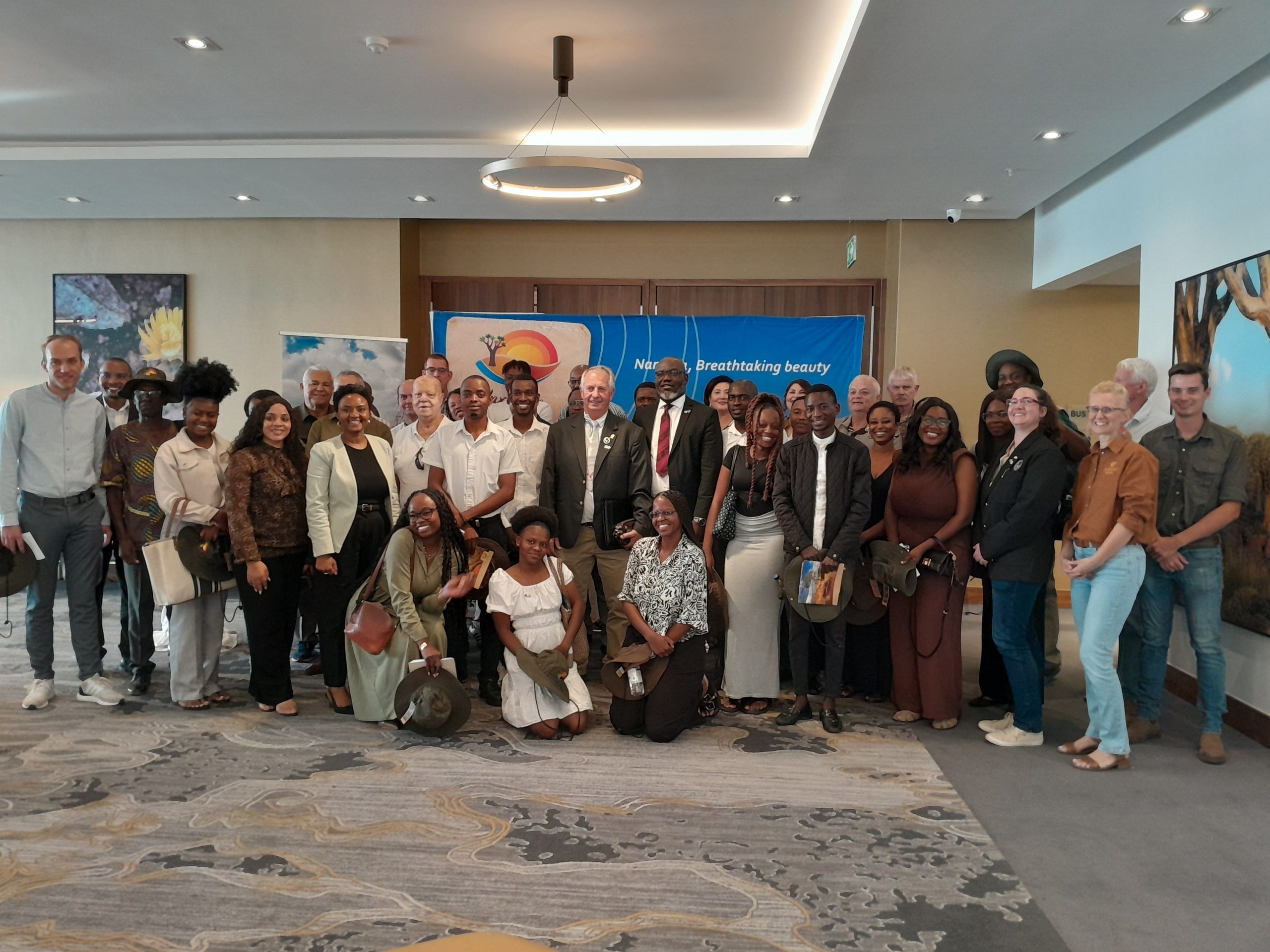
This was raised during the Namibia Tourism Board stakeholder engagement session held on Wednesday in Windhoek.
The meeting aimed to engage hunting tourism operators to discuss how they can strengthen relations and collaborations to promote sustainable tourism in the country.
Hunting tourism operator Corrie Mensah urged the hunting and tourism stakeholders to investigate factors that prevent Black Namibians from partaking in the hunting sector.
“Black Namibians are absent from the hunting industry. Can we establish a platform with the objective to give opportunity to Black operators to assist them, educate them and train them for inclusivity?” Mensah stressed.
President of the Namibia Professional Hunting Association, Hannes Du Plessis, said they are currently offering several courses in the northern regions.
“The courses are open to anyone who is interested. Let us engage more on this issue to see how we can assist each other,” she said.
The engagement shone a spotlight on communal conservancies to establish their own hunting operations to encourage Black Namibians to participate in the hunting industry.
Issues raised by the hunting operators include a call for an online platform for easier and more accessible government-required services and lodges and accommodation facilities that discourage clients from trophy hunting.
Moreover, Du Plessis stressed the importance of unity in the hunting industry and called for stronger collaboration, ethical conduct and strategic alignment to safeguard Namibia’s reputation as a leading hunting and tourism destination.
“The reality is quite simple. None of us can operate in isolation. What we do only works when there is alignment,” he said.
He cautioned that the industry remains under international scrutiny, making ethical conduct and high standards more essential.
“Maintaining high standards is not optional. It is essential to protecting both our credibility and the future of hunting in Namibia,” he said.
Du Plessis noted that hunting plays a vital role in conservation and rural development by supporting wildlife management and generating income.
He warned that Namibia faces tough competition from regional counterparts such as Botswana, Zambia and Zimbabwe, which are actively promoting themselves as the next ‘Namibia of Africa’.
The engagement saw presentations on how hunting operators can diversify their portfolios to attract travellers while promoting sustainable tourism.
He reiterated the hunting code of conduct, working collectively with the Namibia tourism board and tips on how to excel in the hunting tourism industry.
Another hunting operator, Norton Isaacks, a former farmer, said that the NTB engagement is essential to give them guidance to mature in the industry.
“The collaboration we had today was very good. We need a lot more workshops and guidance to grow in the industry,” Isaacks said.
-dalenemediamarketing@gmail. com