

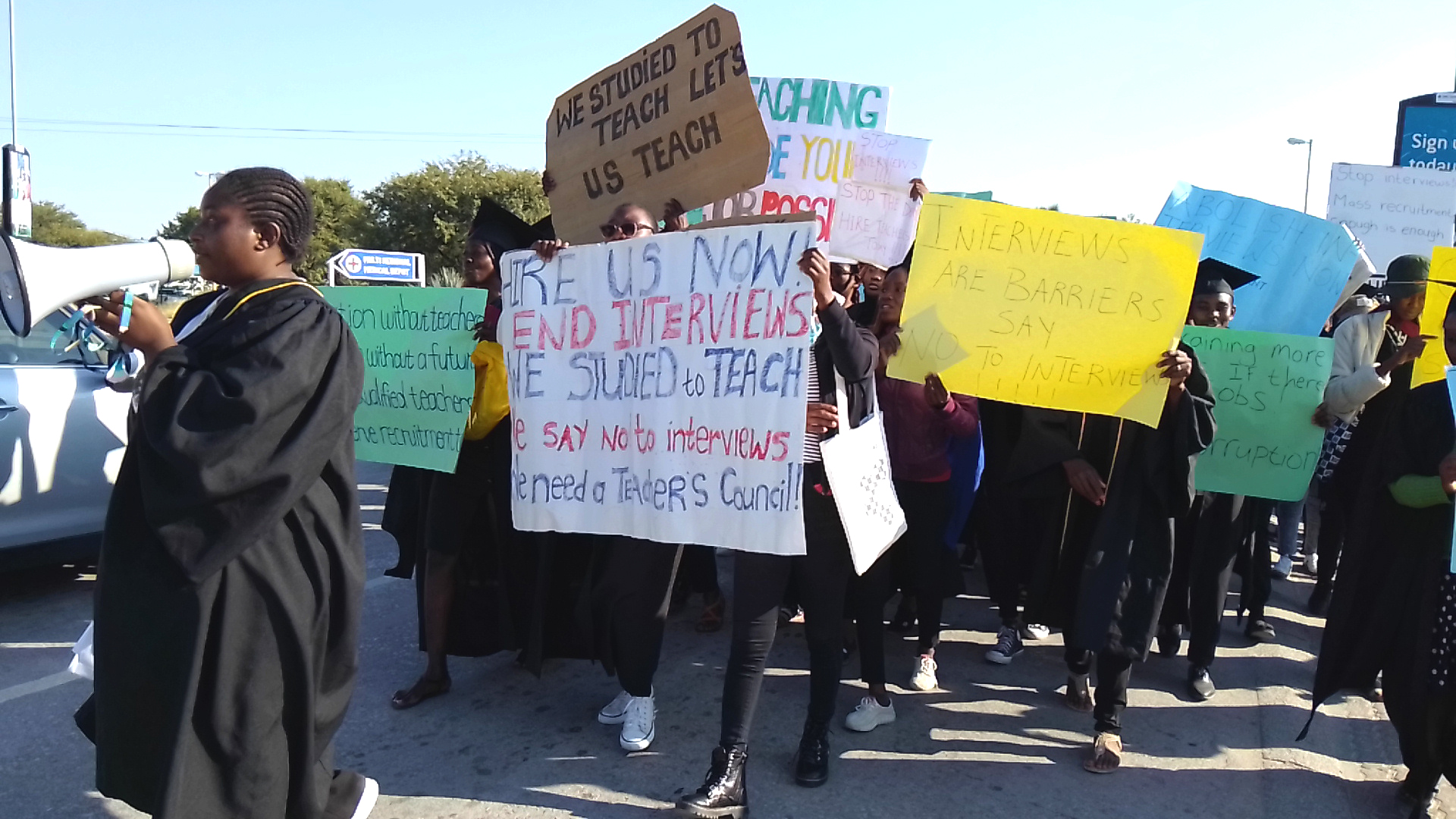

Unions representing various civil servants this week wrote to Prime Minister Elijah Ngurare, informing him they will stage a nationwide strike today in protest proposed reforms to the Public Service Medical Aid Scheme (Psemas).
The planned action follows a recent government directive requiring civil servants to make use of public health facilities, a move unions argue will negatively affect their working conditions.
In a letter addressed to both the President and the Office of the Prime Minister, unions, including the Teachers Union of Namibia and the Namibia Nurses Union, indicated that on Friday 20 March 2026, civil servants across the country will engage in a peaceful demonstration.
“In reaction to a recent announcement to compel civil servants to use public hospitals, we will engage in a peaceful demonstration,” the statement reads.
Unions further claim the directive will have a detrimental impact on employees, citing concerns over the state of public healthcare facilities.
“In consequence of the recent national policy directive to compel civil servants to exclusively subject themselves to medical treatment at state facilities, this will have a prejudicial, negative and detrimental impact on their conditions of employment,” part of the letter states.
The letter, signed by a teachers’ union leader, Mahongora Kavihuha, also requests that regional governors receive petitions from demonstrators, while calling on President Netumbo Nandi-Ndaitwah to personally receive the Windhoek petition.
“Considering the abysmal and deteriorating conditions of most State medical facilities, this directive will subject civil servants to discomfort, indignity and humiliation,” the letter further reads.
Psemas has long been a contentious issue between the government and public sector unions.
Established to provide healthcare benefits to civil servants, the scheme has faced persistent financial and administrative challenges over the years.
The government has repeatedly raised concerns about the rising cost of the scheme, with expenditure on private healthcare services placing significant pressure on the national budget.
In response, authorities have in recent years explored measures aimed at reducing costs, including limiting access to private healthcare providers and strengthening the use of public health facilities.
However, unions have consistently opposed such measures, arguing that many State hospitals and clinics are under-resourced, understaffed and unable to meet the healthcare needs of civil servants.
-newsroom@nepc.com.na