


Women’s History Month is often a time of celebration, but it is also a time for reflection. This is also the month where we reflect on the rights, freedoms, and opportunities that many women experience today, which came into being.
Globally, the struggle for women’s rights did not begin in comfort. It began with women who questioned systems that excluded them. Early feminist movements in Europe and North America focused on basic rights such as access to education, property ownership, and the right to vote. These were not small demands. They were challenges to deeply rooted systems that defined women as secondary citizens.
Over time, feminism evolved. It moved beyond legal rights to address issues such as workplace equality, bodily autonomy, representation, and social justice. Importantly, feminism also became more inclusive, recognising that women’s experiences are not the same across race, class and geography. African women, including Namibian women, have engaged with feminism in ways that reflect local realities, cultures, and histories.
In the African context, the fight for women’s rights has often been closely tied to broader struggles for liberation, dignity, and community survival. For many women, the goal was not only individual freedom but also the well-being of families and communities. This is where Namibian women have made a distinct contribution. They have not simply adopted global feminist ideas. They have shaped them to reflect the country’s own history and needs.
In Namibia, women have played a central role in shaping the country long before independence, during the liberation struggle, and in the years that followed. Their contributions are not separate from the national story. They are foundational to it.
During the liberation struggle, women were not only supporters but active participants. Within Swapo, women served as organisers, mobilisers, and, in many cases, fighters. They worked in exile, coordinated logistics, supported communities, and ensured that the struggle continued under difficult conditions. Their involvement challenged the idea that political participation and resistance were spaces reserved for men.
Beyond the struggle, women have been instrumental in building and sustaining the social fabric of the country. Teachers, nurses, community leaders, and caregivers carried communities through periods of uncertainty and transition. In many cases, these roles were taken on without recognition, yet they formed the backbone of education systems, healthcare access, and community cohesion.
The contribution of women to cultural preservation is equally significant. Language, traditions and values have been passed down through generations largely through the work of women. Whether in homes, communities, or informal spaces, women have ensured that identity is maintained and adapted in changing times. This work is often overlooked, but it has been critical in maintaining a sense of continuity and belonging.
In the years following independence, Namibian women have continued to expand their presence across sectors. In politics, figures such as Netumbo Nandi-Ndaitwah and Pendukeni Iivula-Ithana represent a generation of women who have taken up leadership roles and contributed to national decision-making. Their presence in these spaces has helped shift perceptions around women and leadership in Namibia.
At the same time, many women have entered and reshaped industries such as media, business, education, and the arts. They have not only participated in these sectors but have also introduced new perspectives, challenged existing norms, and created opportunities for others.
It is important to recognise that progress has not been automatic. Each step forward has been the result of persistence, negotiation, and, in many cases, resistance. The ability for women today to access education, build careers, and participate in public life is closely linked to the groundwork laid by those who came before.
For younger generations of Namibian women, this history matters. It provides context for the opportunities that exist today and highlights the responsibility that comes with them. The presence of women in spaces that were once inaccessible is not the end of the journey, but part of an ongoing process of change.
Women’s History Month, therefore, is not only about looking back. It is also about recognising that the actions taken today will shape the realities of future generations. The progress made so far creates a foundation, but it also calls for continued effort to address existing gaps and inequalities.
As Namibia continues to develop, the role of women remains central. From community level initiatives to national leadership, women continue to influence the direction of the country in meaningful ways. Recognising this contribution is not simply about celebration. It is about understanding how the present has been shaped and how the future can be built.
The story of Namibia cannot be told fully without acknowledging the women who built the way.
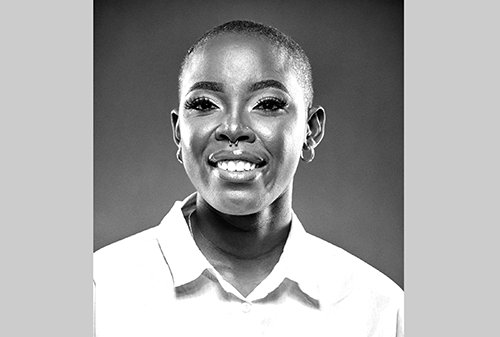
*Frieda Mukufa’s lifestyle section in the New Era concentrates on women-related issues and parenting. She specialises in editing research proposals, proofreading and content creation.
– etuholefrieda@ gmail.com