

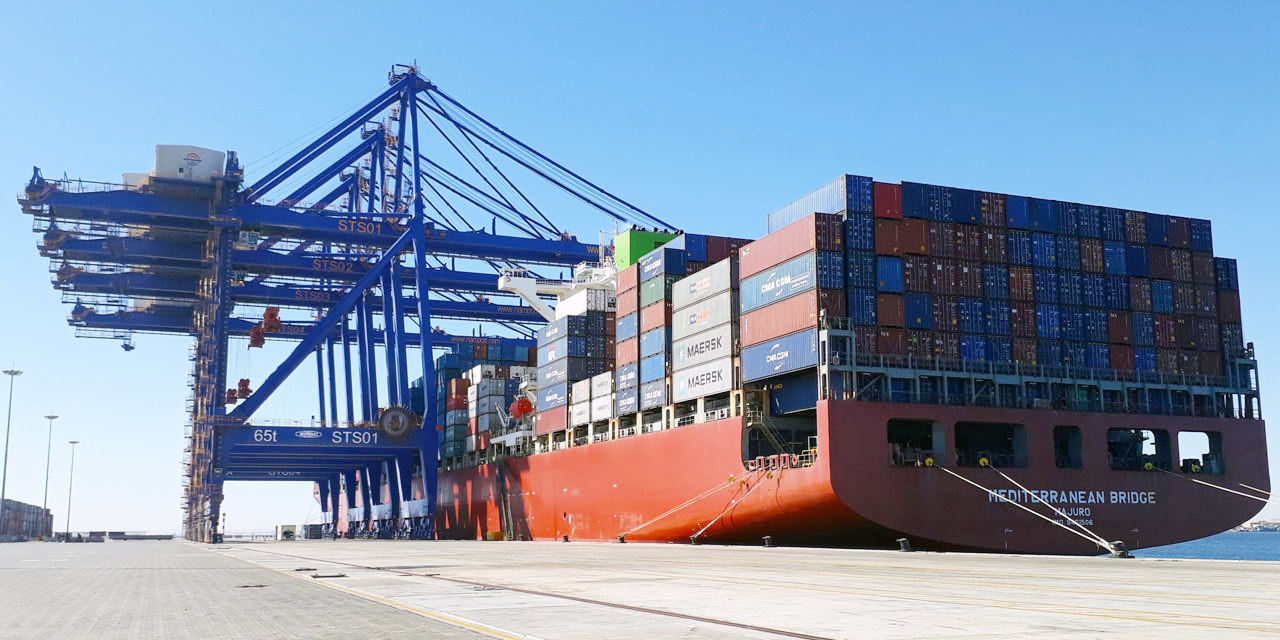

Namibia stands to immensely benefit from the proposed renewal of the United States’ continental trade pact, the African Growth and Opportunity Act (AGOA), which that country’s House of Representatives recommended should be extended to 2028.
Following its overwhelming approval by the House of Representatives on Tuesday, the Bill now awaits further consideration and approval from the US Senate, which is that country’s upper legislative house, before being finally enacted.
If ratified by the US Senate, the US-Africa continental trade pact will provide duty-free access to the US market for eligible products from African countries, Namibia included.
AGOA was enacted in 2000 by the US Congress to provide improved access to the US market for sub-Saharan African states. The pact initially covered an eight-year period, but it was extended in 2004 to 2015 and then again in 2015 until September 2025.
Under AGOA, Namibia in 2017 negotiated market access for the country’s beef and grapes to the US market. After inspections by the US Food Safety and Inspection Services, the export abattoir was declared compliant with US regulations, and a year later, the labelling and packaging of Namibian beef was approved by the US authorities.
Namibia became the first African country to be granted access for beef to the US market and exported its first consignment of beef to test the market in 2018.
Almost around the same time, Namibia’s beef was also granted access to the Chinese market through Hong Kong – the first African country as well. Further access to major markets such as the EU, the lucrative Norwegian market, China and the US has helped reduce Namibia’s dependency on traditional markets.
Also, under AGOA, Namibia has also successfully negotiated access to the US market for its grapes; however, the US requires the treatment of grapes with bromide at room temperature, implying that grapes have to be removed from cool rooms, undergo treatment and then be cooled again. This currently prevents exports of Namibian grapes to the US.
There are two different categories of products eligible under AGOA, namely the non-apparel or general products and the textiles and wearing apparel products, and they are denoted as ‘D’ and ‘A’.
A tariff line denoted as ‘D’ implies that the product will be exported duty-free to the USA if it fulfils the Rules of Origin (RoO). The RoO determines whether a product classifies as originating from a beneficiary country and hence benefits from the preferences.
For general products, the RoO requires that at least 35% of the total product value be local content of the beneficiary country, and these 35% could include up to 15% content originating from the US. –ohembapu@nepc.com.na