

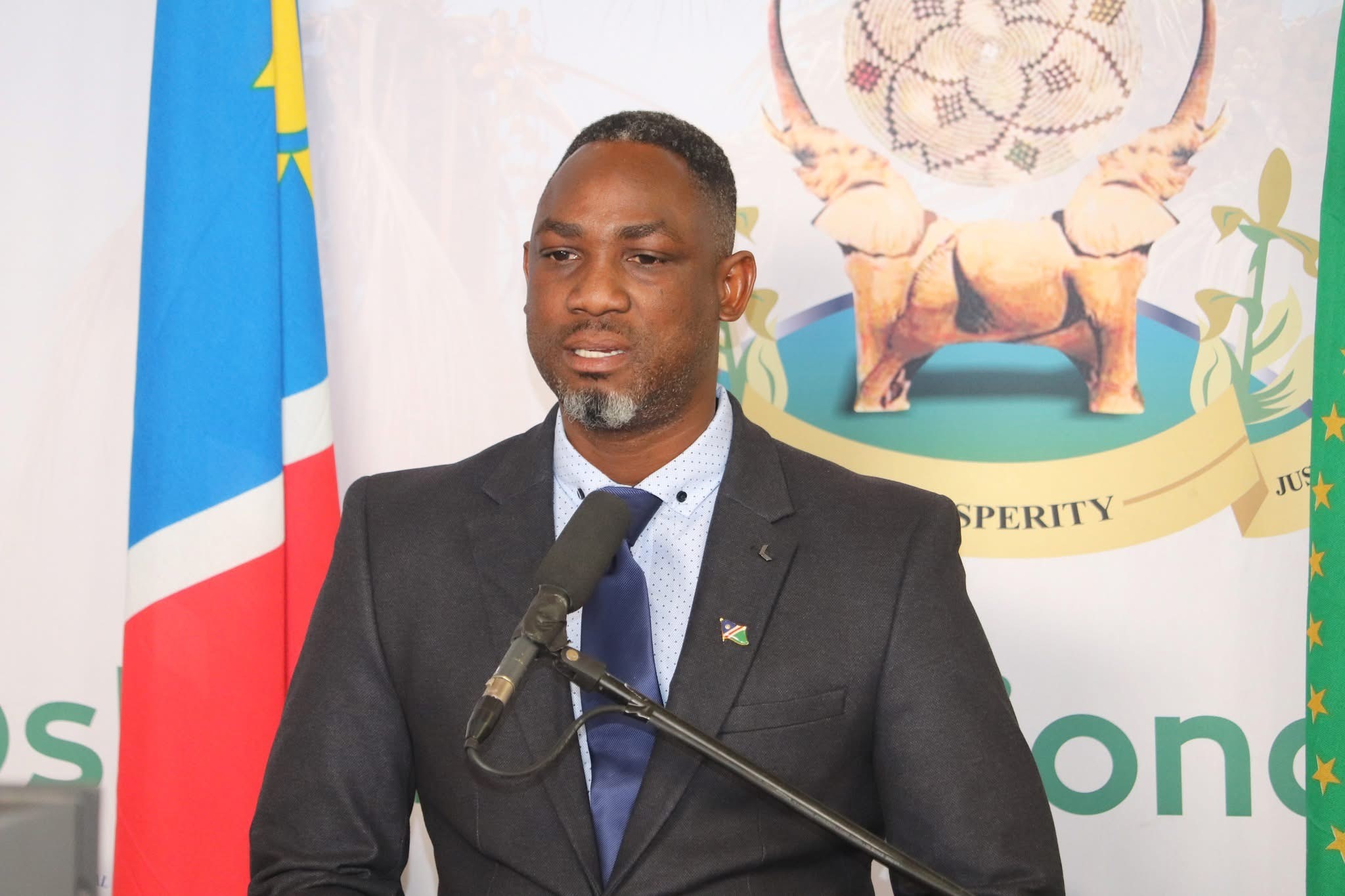

OSHAKATI – The Oshana regional leadership has outlined an ambitious development agenda aimed at improving infrastructure, expanding public services and tackling unemployment, poverty and housing challenges across the region.
Key priorities include the improvement of roads, water and sanitation infrastructure, electricity access, housing delivery, healthcare services and education facilities, while also focusing on youth empowerment, job creation and economic growth.
“Our vision over the next five years is to build a prosperous, inclusive and resilient region, where every resident has access to quality services, economic opportunities and improved living conditions,” said Oshana regional governor Hofni Iipinge.
He noted that several development projects are underway across the region, including the construction and upgrading of schools, health facilities, roads, sanitation systems and water supply infrastructure.
He added that the expansion of broadcasting and information and communication technology (ICT) infrastructure is expected to improve access to information and digital services, particularly in underserved communities.
“Road construction and maintenance projects will improve connectivity between communities, facilitate trade and improve access to schools, clinics and markets,” Iipinge said.
The governor further noted that the construction of additional classrooms and school facilities is expected to reduce overcrowding and create a better learning environment for learners across the region.
Water and sanitation projects are also expected to improve public health and ensure communities have access to clean and safe water.
“These projects are expected to stimulate local economic activity, create temporary and long-term employment opportunities, and ultimately improve the living standards of our people,” he added.
Despite ongoing development efforts, the region continues to face major challenges, including limited financial resources, high unemployment, rapid urbanisation, housing shortages and increasing pressure on infrastructure and public services.
Climate-related challenges, such as recurring droughts, have also been identified as obstacles affecting livelihoods and slowing development efforts in some communities.
“To overcome these challenges, we continue to strengthen collaboration with central government, local authorities, development partners and the private sector to mobilise resources and accelerate development projects,” Iipinge said.
He indicated that the region is also promoting public-private partnerships, improved project monitoring and sustainable development planning to ensure long-term impact.
On housing and service delivery, the governor said the office continues engaging local authorities and stakeholders to accelerate land servicing and housing delivery, particularly for low-income households.
“We strongly believe that development can only succeed when communities are actively involved in decision-making processes,” he said.
He noted that his regularly consults traditional leaders, local authorities, youth groups, churches, businesses and civil society organisations through stakeholder meetings and outreach programmes.
These engagements allow communities to raise concerns, identify priorities and contribute to regional development planning to ensure development initiatives remain inclusive and people centred.
“Through continuous dialogue and partnership, we aim to ensure that development plans remain responsive and beneficial to all residents of Oshana region,” Iipinge added. – vkaapanda@nepc.com.na