


Auleria Wakudumo
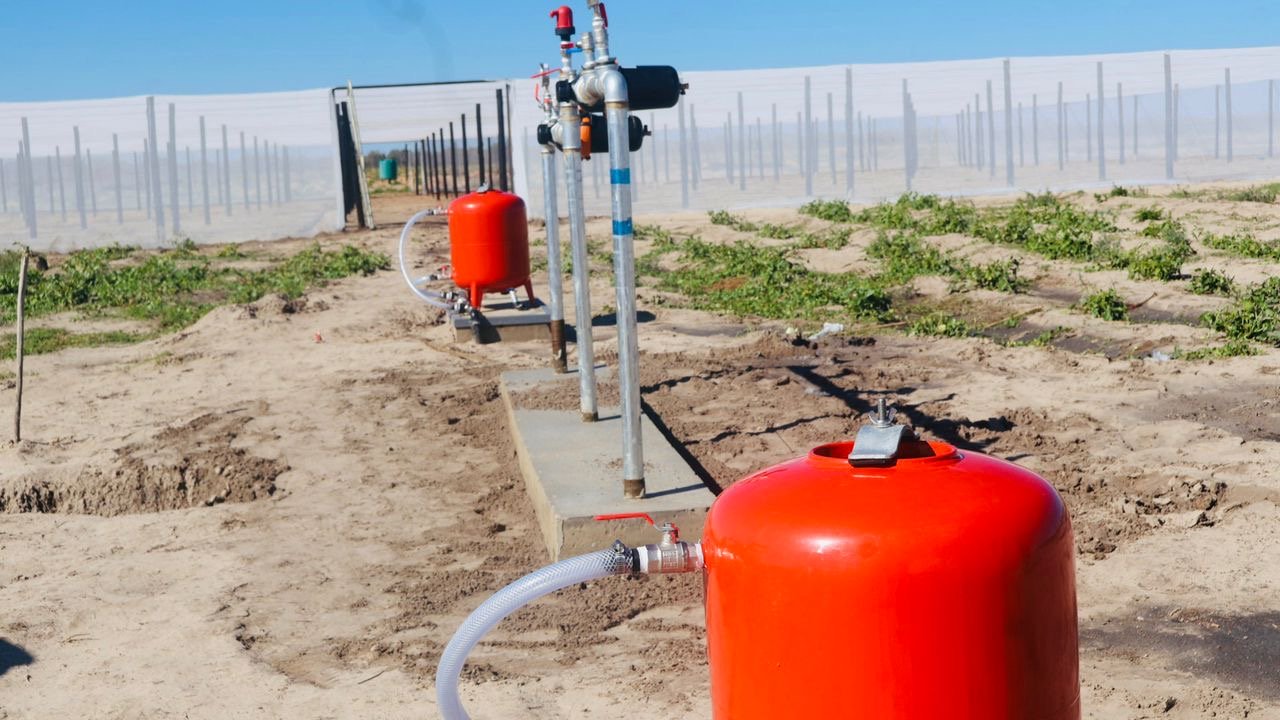
The Otjombinde Community Garden in the Omaheke region has created close to 90 casual jobs for unemployed youth, including graduates from the National Youth Service. The community-driven agricultural initiative has emerged as one of the first visible success stories under the government’s national programme, aimed at establishing community gardens in all 121 constituencies across Namibia.
The garden was established under the Office of the Prime Minister’s initiative to promote self-sufficient food production and reduce dependency on drought relief programmes.
Today, the garden has grown into a thriving initiative that is transforming lives in Otjombinde and inspiring the government’s broader rural development plans. Prime Minister Elijah Ngurare on Monday visited the community garden.
He described the project as a living testimony of what can be achieved when communities and government work together to address social and economic challenges. During the visit, Ngurare reflected on how the idea for the project was born during his time as director of water affairs in the former Ministry of Agriculture, Water, Forestry and Land Reform.
He said discussions held years ago with Otjombinde constituency councillor Wenzel Kavaka focused on finding practical ways to address malnutrition, poverty and unemployment among young people in the area. Kavaka said the project has brought significant relief and economic activity to the community.
He said unemployed youth have benefitted through employment opportunities linked to the initiative, while local businesses have also experienced increased activity as workers began earning income through the project.
“The streets were reportedly empty during the recruitment process, indicating a reduction in alcohol abuse, while local businesses recorded increased purchases as a direct result of the initiative’s economic impact,” Kavaka said.
He added that the project has further improved access to fresh produce within the community while creating a source of income for many households that previously depended on government drought relief assistance. The Prime Minister praised the traditional authority and residents of Otjombinde for embracing the initiative and ensuring its success. He said the project demonstrates the importance of cooperation between government institutions, traditional leaders and communities in addressing local development challenges.
He urged traditional authorities across the country to emulate the Otjombinde model by supporting the establishment of similar community gardens in their respective areas.
Ngurare stressed that community ownership and participation would remain important for the sustainability and long-term success of such projects.
He also highlighted the importance of improving water infrastructure in rural communities to support agriculture and food production. He said Namibia can achieve a future where every village has two boreholes, one for domestic use and another for livestock and irrigation purposes.
“This is doable. We might not have the resources to go to the moon, but under the leadership of President Netumbo Nandi-Ndaitwah, having two boreholes for every village is possible,” he said.
Ngurare noted further that improved access to water would strengthen efforts to combat hunger, improve food security and expand agricultural production in rural areas.
He further noted that agriculture remains one of the government’s seven key priorities because of its potential to create employment opportunities and uplift communities.