

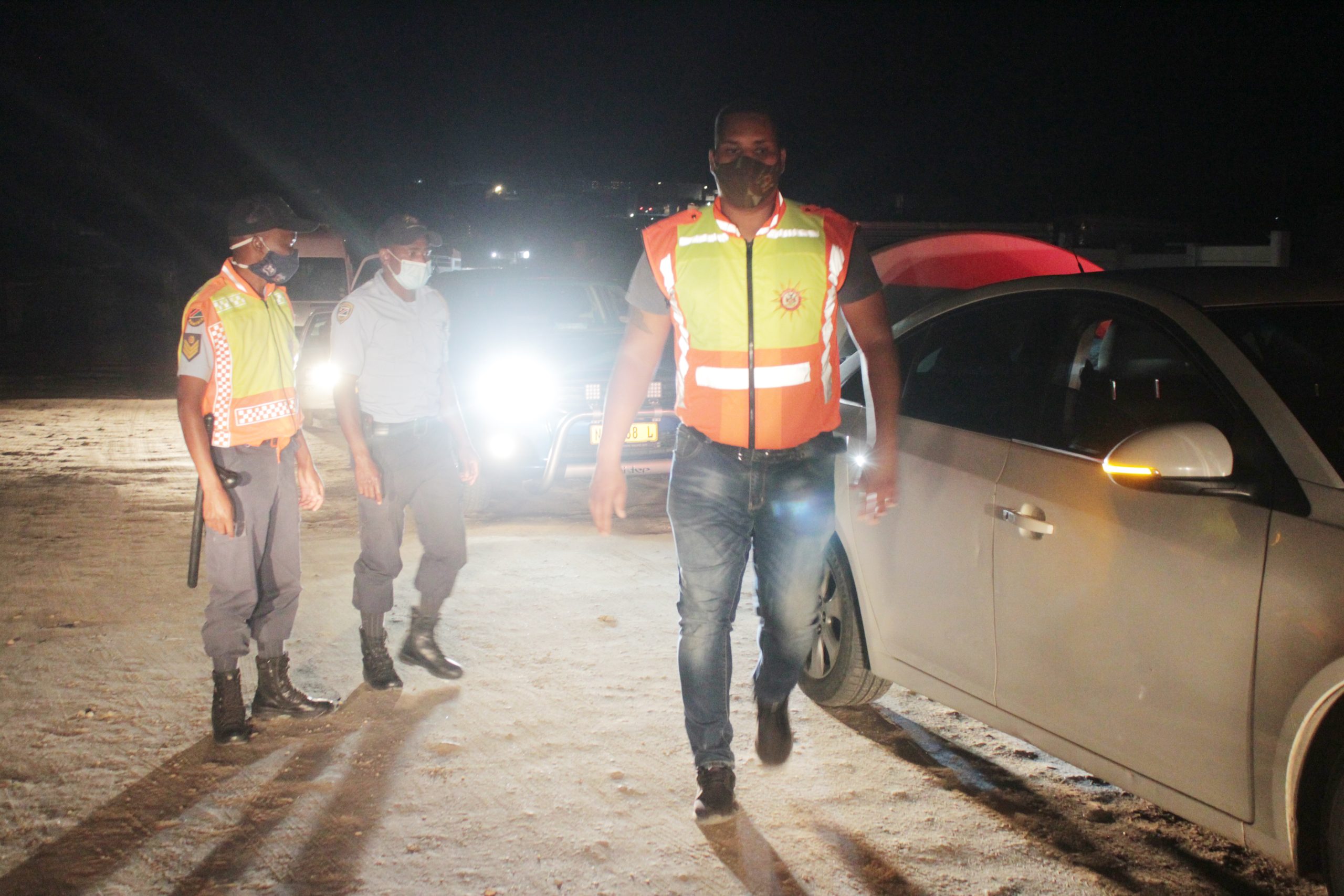

The Namibian Police Force (NamPol) have intensified crime prevention efforts, as rape cases involving minors continue to drive public concern over gender-based violence.
In an interview with this publication, NamPol Sergeant Midburg Shilongo said police and partners are prioritising child safety messaging and heightened vigilance, particularly when school holidays approach.
“These periods are high risk. Parents, guardians and communities must be extra alert. Protecting children is a collective responsibility,” Shilongo said. The police have also scaled up crime prevention operations nationwide, including festive season initiatives such as ‘Safer Namibia’, with increased patrols, hotspot interventions and zero-tolerance enforcement against gender-based violence, sexual offences and alcohol-a crime. Police statistics show that rape remains widespread in Namibia, with children forming a substantial proportion of victims.
Based on official police reporting patterns and government summaries, an estimated 11 000 rape cases were reported between 2015 and 2024.
Of these, approximately 3 700 cases involved minors, while about 7 300 involved adult victims.
Namibia records between 700 and over 1 000 rape cases annually, and police reporting consistently indicates that roughly one-third of all reported cases involve minors.
In some individual years, the proportion of child victims has been even higher. Between 2016 and 2018, NamPol recorded 3 164 rape cases, of which about 1 395 involved minors and approximately 1 769 involved adults. In 2019 alone, police recorded 711 rape cases, split almost evenly between 353 cases involving minors and 358 involving adults.
Shilongo said investigating child rape cases remains particularly challenging, as many crimes occur in homes or isolated places, often without witnesses.
“In most cases, investigators are left with only the child’s account,” she said.
Police also face obstacles, including fear and silence within families, protection of offenders by relatives, delayed reporting, weak forensic evidence, intimidation, grooming tactics and suspects absconding.
Namibia has gender-based violence protection units in all regions, based at hospitals and police stations, providing coordinated support through police officers, social workers and health professionals. Victims with mental disabilities are assisted in private, supportive environments using trauma-informed, victim-centred approaches. Rape and sexual offences are classified as priority crimes, particularly when they involve children, persons with disabilities or repeat offenders. Shilongo said NamPol works closely with the Office of the Prosecutor General to ensure strong, court-ready cases.
“Our goal is successful prosecution, not just arrest,” she said.
Psychologist Shaun Whittaker said cases involving teenage perpetrators require careful understanding without minimising the crime.
“Child rape is not about desire. It is violence, coercion and exploitation,” he said. He added that early intervention is critical, as adolescents are more responsive to rehabilitation, while the harm to victims remains severe regardless of the offender’s age.
-isipunga@nepc.com.na