


Auleria Wakudumo
Education minister Sanet Steenkamp has taken a firm stance against unfair or corrupt recruitment practices within her ministry that appear to have taken firm roots.
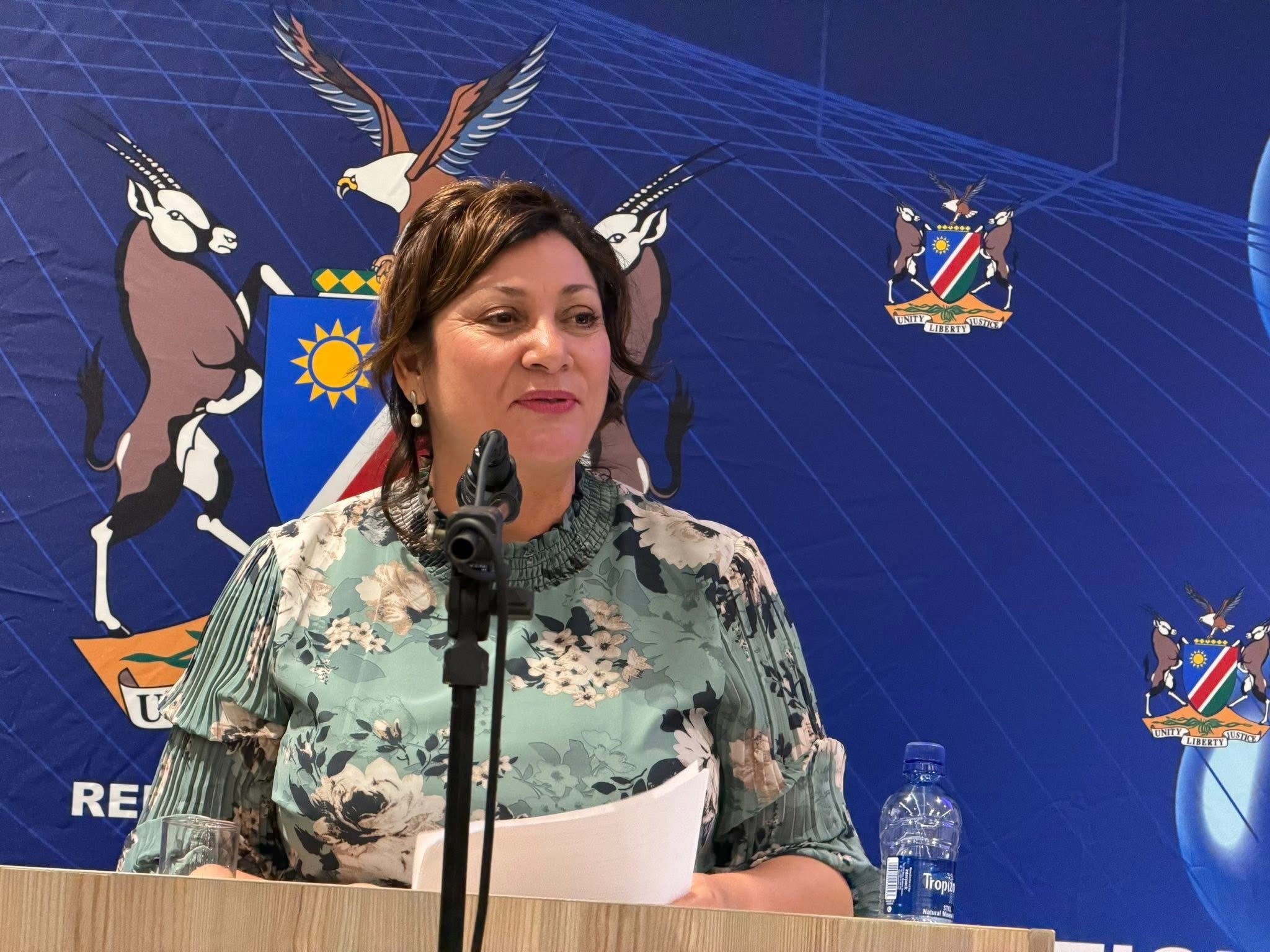
Speaking at the official opening of the Annual Review (2025/26) and the planning session for the 2026/27 financial year in Otjiwarongo yesterday, Steenkamp raised concern over persistent complaints from staff and stakeholders regarding recruitment processes perceived to be unfair and manipulated.
“Favouritism, bias and lack of transparency will no longer be tolerated,” the minister said.
She said such practices undermine institutional integrity and public trust. Steenkamp stressed that all appointments must be conducted in a fair, transparent and competitive manner.
“All processes, whether in recruitment, procurement or the allocation of opportunities, must be fair, transparent, competitive and able to withstand scrutiny,” she emphasised.
The minister noted that complaints about irregular recruitment procedures have become increasingly common, signalling the need for stronger oversight and immediate corrective action.
She called on senior managers to take full responsibility for ensuring that hiring processes comply with established policies and ethical standards.
Steenkamp further urged leadership within the ministry to act swiftly on grievances raised by employees. She warned that failure to address such concerns risks weakening morale and damaging public confidence in government systems.
“Accountability should not be viewed as punishment but as a core principle for ensuring fairness, efficiency, and improved performance across all departments,” she said.
The ministry’s executive director, Mbumba Haitengela, called for unity of purpose, professionalism, and a results-driven approach.
He emphasised the importance of honest reflection on past performance, strengthening accountability, and aligning priorities to meet the expectations of the Namibian people.
Haitengela further urged staff at all levels to remain committed to effective service delivery.
He noted that the review and planning process is a critical platform to assess progress, address challenges and ensure that the ministry’s plans translate into tangible outcomes on the ground.