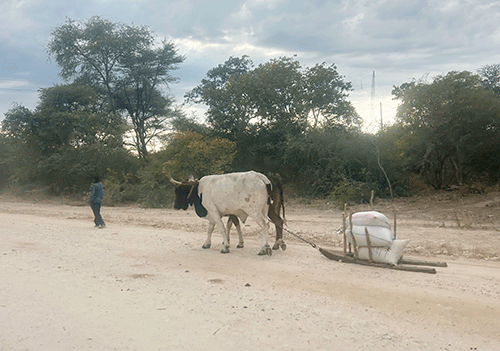

KATIMA MULILO – Zambezi governor Dorothy Kabula has raised the alarm over a concerning rise in cross-border cattle theft, calling for intensified cooperation between Namibia and neighbouring countries to combat the escalating issue.
Kabula disclosed that a total of 184 cases of livestock theft were recorded during the 2024/25 financial year, resulting in the loss of 614 cattle valued at over N$3 million.
“This is not just a threat to our farmers’ livelihoods but to the region’s economic stability and community well-being,” she said.
Although 299 cattle worth more than N$1 million were recovered through law enforcement operations, 336 animals valued at over N$2 million remain missing.
“Our farmers are under serious threat. These are people who depend on their livestock for income, food security and dignity,” the governor stated, adding,
Zambezi shares porous borders with Zambia and Botswana, and while regional cooperation has been praised, the governor admitted that criminal activity remains a persistent challenge.
“We have officially registered our concern with Zambian authorities,” Kabula said, referring to engagements with Zambia’s Western Province to address the surge in cross-border theft. “Our goal is to restore peace and security for our rural communities,” she added.
The governor also highlighted the need for better surveillance, border fencing, and joint patrols between Namibian and Zambian security forces.
Amid rising concerns over cattle rustling in Zambezi, authorities are stepping up efforts to curb the crime through tighter regulations and community collaboration.
Zambezi Police spokesperson Kisco Sitali recently spoke to New Era.
He outlined a multifaceted strategy aimed at both prevention and enforcement.
“Cattle rustling in the region is a serious concern. Hence, we need to approach it with a different strategy,” said Sitali.
According to statistics, over 800 cattle valued in the millions have been stolen between 2022 and the present.
Sitali also confirmed that cattle rustlers come from as far as Angola and Zambia, crossing through Zambezi’s vast areas into Botswana to steal livestock. This, he said, is often done with the aid of unscrupulous locals.
Concerned local farmers say poverty is among the leading causes of stock theft. “Some Namibians are recruited and collaborate with Zambians to steal cattle from Namibia and move them across the border to Zambia for a payment of N$300 per animal upon arrival. This is despite the risks of being caught and possibly imprisoned,” complained a farmer.
Those who operate informal meat businesses through small abattoirs and black markets buy stolen cattle from thieves at very low prices. For example, cattle that could be sold for N$9 000 are transacted at between N$1 800 and N$2 500.
In a bid to halt the illegal movement and slaughter of stolen livestock, Sitali explained that all open markets have been instructed to rigorously inspect slaughter permits before any animal is sold or processed.
“Those responsible for open markets where cattle are slaughtered must inspect the permits for each animal. This will assist in identifying stolen animals early in the chain,” he cautioned.
What is more, Kabula’s address, while celebrating the region’s strides in trade, conservation and diplomacy, underscored that sustainable development cannot take place in the absence of rural security.
“Let us work hand-in-hand across our borders to put an end to livestock theft and safeguard the prosperity of our communities,” she said.
– anakale@nepc.com.na