

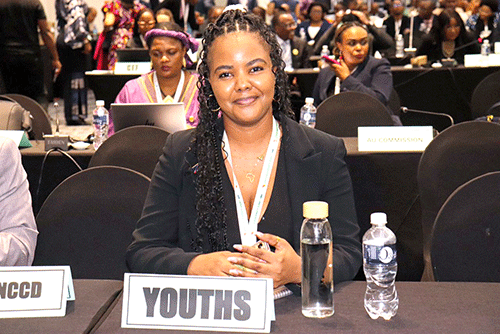

Youth can play a vital role in authentic and inclusive storytelling in conservation because there is a need to communicate the right stories to the right people, especially policymakers, in a way they can easily understand, said the coordinator of the Namibia Youth Biodiversity Network and biotechnologist Micky Kaapama.
Speaking at the inaugural Africa Biodiversity Summit in Botswana recently, Kaapama stated that stories breathe life into biodiversity, emphasising that protecting nature is not just about survival, but about creating a thriving future for the people and the planet.
“Biodiversity is not just for aesthetics and tourism, but it tells us where we come from. These kinds of impactful narratives are essential for inspiring policymakers to recognise Other Effective Area-Based Conservation Measures (OECMs),” said the biotechnologist.
The Summit brought together African Heads of State and government officials, as well as the conservation community at large on the continent and around the world, to foster inclusive biodiversity management pathways and increase financial flows to Africa’s homegrown solutions.
“By authentically sharing the stories and quantifiable impacts of OECMs, specifically their contributions to biodiversity and socio-economic wellbeing, we can effectively raise awareness and encourage the drafting of supportive policies,” she said.
Kaapama, indicated that the reception was highly positive, affirming the effectiveness of the narrative-driven approach to policy engagement.
African youth, under the leadership of the Global Youth Biodiversity Network African Chapter, with support from key stakeholders, both physically and virtually convened in October 2025 to deliberate on the Summit.
“We believe in working together with stakeholders to ensure the effective implementation of the Global Biodiversity Framework. We have engaged in different activities at the national level, such as the review, alignment, and updating of the National Strategy and Biodiversity Action Plans (NBSAPs),” they indicated.
The group stated that they have also been involved in implementing sustainable actions that promote eco-friendly livelihoods, including agroforestry, and developing nature-based solutions and green enterprises to ensure the promotion of livelihoods and conservation of biodiversity.
They emphasised on the urgent need for collective solutions, especially youth inclusion in biodiversity financial plans, green entrepreneurship and innovation, ecosystem restorations, creating youth environmental grants and startup funds, and youth engagement in policy and decision making.
The youth involved further encourages governments to involve Indigenous and Local Youth in decision-making processes meaningfully.
“The government should enact legislations that effectively incorporate traditional knowledge into national legal and policy frameworks, by first recognising Indigenous Peoples and Local Communities’ rights on territories and documenting traditional knowledge through intergenerational and intersectoral dialogues,” the group stated.
-psiririka@nepc.com.na