


Monika Amunyela
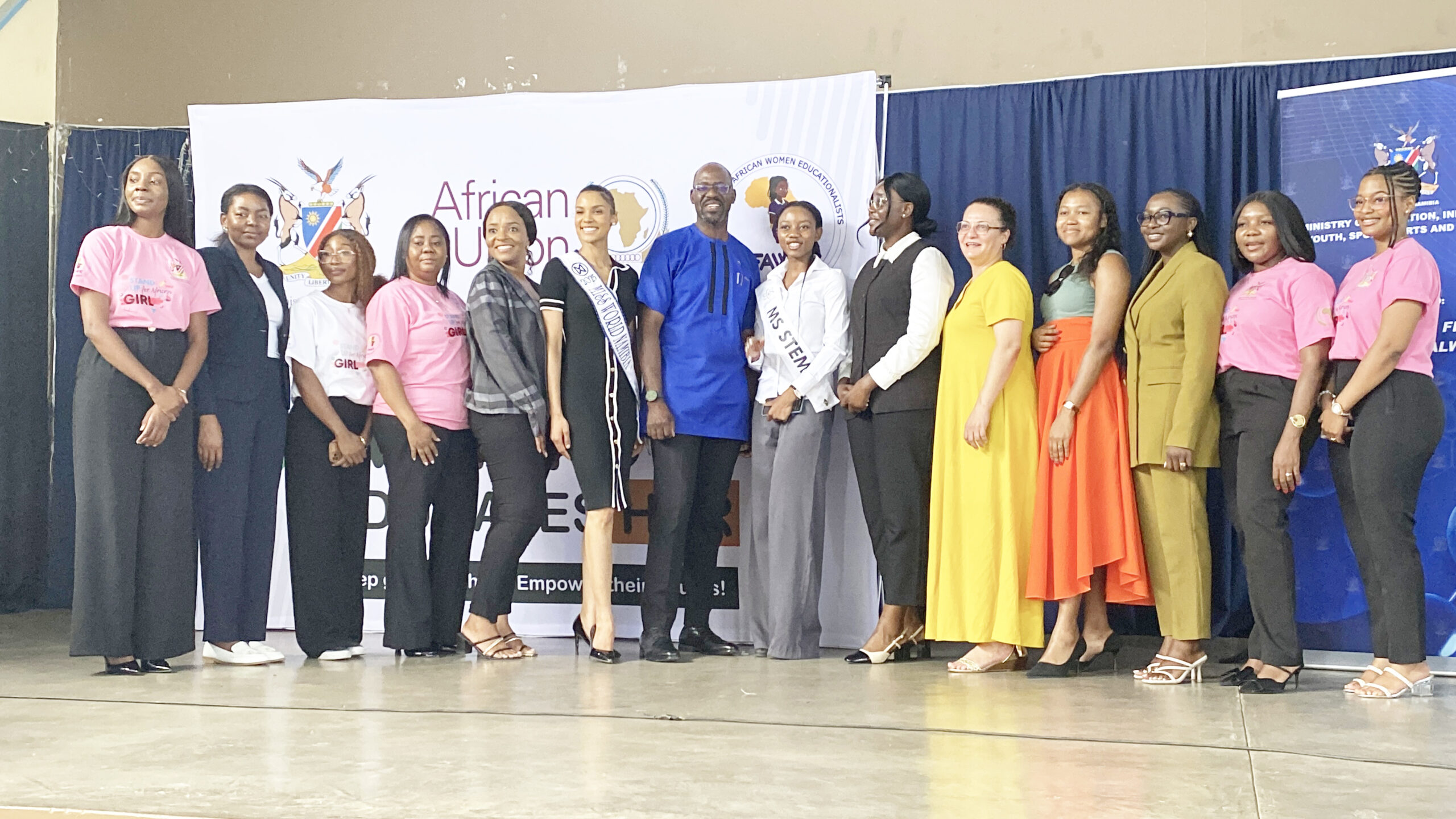
Namibia officially launched phase II of the AfricaEducatesHer Campaign, joining the African Union (AU) to empower women through education.
Delivering the welcoming remarks, Ayesha Wentworth, the director of the programs and quality assurance directorate at the ministry of education, highlighted the importance of the occasion and the campaign’s purpose as an advocacy platform to urge AU Members to continue efforts to safeguard girls’ right to education.
“Drawing from the lessons of the impact of Covid-19, the campaign seeks to advance progress towards protecting girls’ and young women’s right to education, especially in emergency situations and hard-to-reach areas,” she said.
Maggy Katimba, chief superintendent at the Ministry of Gender Equality and Child Welfare, clarified the role of AU/CIEFFA. She highlighted the institution’s mandate to promote the education, empowerment, and rights of girls and women across the continent.
“AU/CIEFFA was established in 2004 and is based in Burkina Faso. It works with AU member States to ensure that every girl has access to safe, inclusive, and quality learning opportunities,” she explained.
The launch marks a significant step in the country’s efforts to ensure that every Namibian girl can learn effectively and contribute to the country’s development.
Panel discussion speakers included Johanna Namene, a lecturer at the University of Namibia; Rachel Amoomo, ambassador and secretary for The Organisation for 1MillionGirlsinSTEM; Makwenda Matthews, an applied mathematics student; Vikapita Ilonga, Miss STEM Namibia 2025; and Brenda Liman from CRAN.
Panelists emphasised the need to improve digital infrastructure, as many learners still reach tertiary education without basic computer skills. They highlighted the value of hands-on learning through mobile laboratories, STEM-focused programs, rural outreach, and Namibia’s Mobile Planetarium, which often sparks youth interest in science and astronomy.
Suggestions for better learning experiences included job shadowing, strengthening teacher support, and creating platforms to inspire girls to pursue STEM careers.
Early exposure to careers, community engagement with industry professionals, and consistent encouragement were noted as very essential for inclusion and confidence in the careers the youth choose, according to the panelists.