
Lahja Nashuuta
Namibia’s healthcare system is struggling with a serious shortage of medical workers across almost every field, with more specialised fields struggling the most.
The country has only one anesthesiologist, one neurosurgeon, one medical oncologist, and one infectious disease specialist. There are also only one or two specialists in fields such as nuclear medicine and critical care. This is highlighted in the Health Professions Council of Namibia (HPCNA) Annual Report for 2023–2024, which warns that the current workforce is not enough to meet the country’s growing healthcare needs.
According to the report, Namibia relies heavily on a small group of highly skilled doctors and specialists who are already overstretched. Many essential services do not have enough experts, which makes it difficult for patients, especially those in rural areas, to receive timely and proper treatment.
“The current number of registered practitioners remains far below the national demand,”
the HPCNA says.
This means that when patients need urgent or highly specialised treatment, the system struggles to respond.
Dental and oral health services face similar challenges. The country has 294 dentists, a number too low to serve the national population of over 3.2 million. According to the annual report, although there are 102 dental students, 24 students in practical training, and 20 dental interns, the figures remain far below what Namibia needs. Specialised dental care is even more limited, with only eight maxillofacial and oral surgeons, three orthodontists, five prosthodontists, and one specialist in oral medicine and periodontics.
The situation is also worrying when it comes to medical internship numbers. The HPCNA reports that 280 medical interns were registered in 2023/24, down from 315 interns the previous year. Dental interns remained the lowest in both years. Interns include both those who were evaluated and those exempted after completing their internships locally.
Overall, Namibia has 832 registered medical practitioners, but the number of specialists is still too small compared to the country’s needs. The report shows that Namibia has only 40 paediatricians and 35 paediatric surgeons, 14 cardiothoracic surgeons, 17 vascular surgeons, and 60 general surgeons.
Other important fields, such as plastic surgery, emergency medicine, and reproductive medicine, each have only a few specialists.
This gap is even wider outside major urban centres. “Unequal distribution of practitioners continues to widen the gap between urban and rural healthcare,” the report warns, noting that rural communities often depend on general practitioners for specialised care.
Mental health services also face major shortages. Namibia has 56 psychiatrists, while many regions still lack enough pathologists, laboratory scientists, and support staff such as oral hygienists, ophthalmic assistants, and medical assistants.
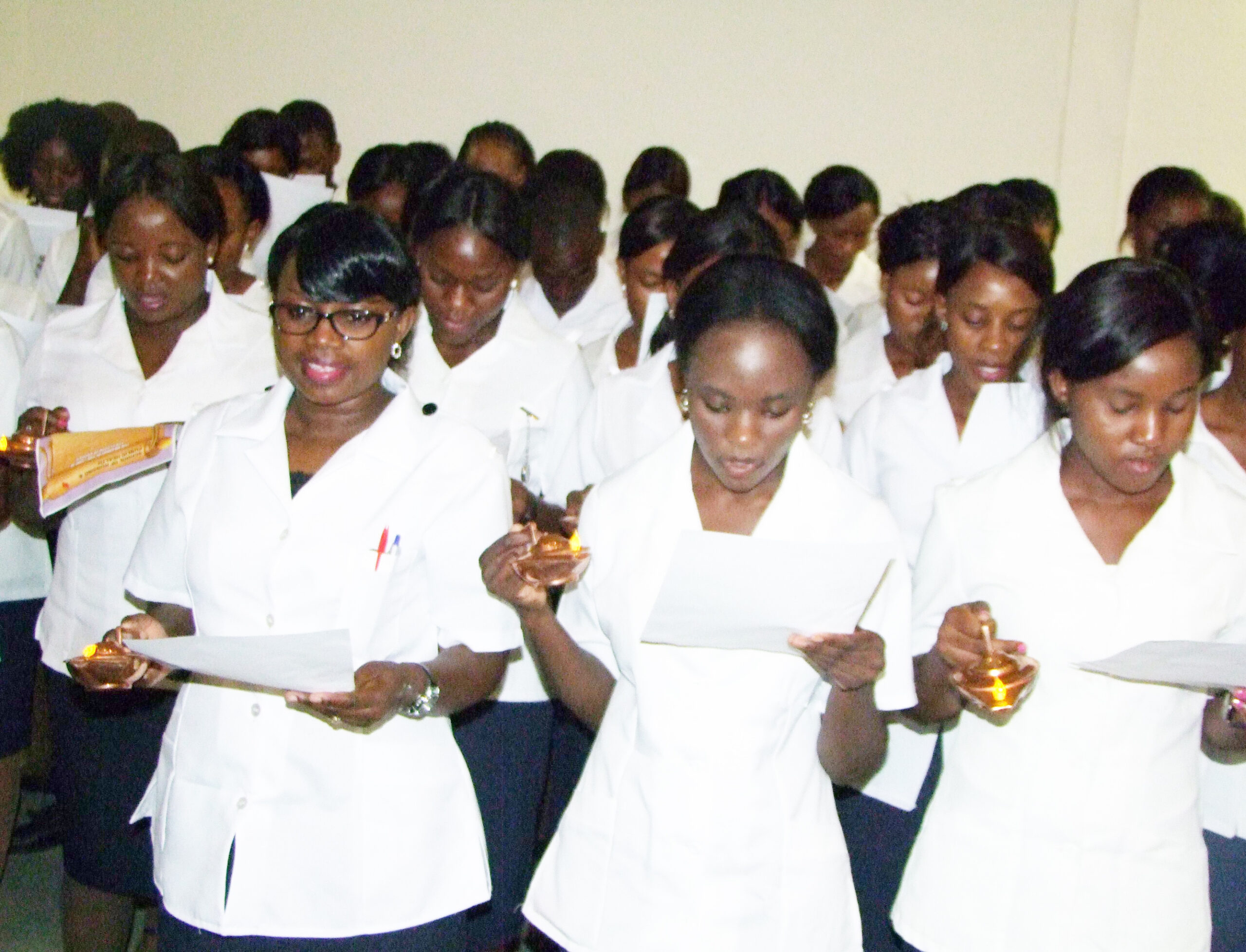
The only area showing strength is nursing. Namibia has 22 532 registered and enrolled nurses, and 807 new nurses graduated last year from 14 training institutions. In
addition, 24,206 student nurses are currently in training, according to the Nursing Council of Namibia.However, even with strong nursing numbers, the pressure on the healthcare system remains high.
“High patient loads combined with limited staff continue to place unsustainable pressure on the health workforce,” the HPCNA cautions.
Earlier this year, the government allocated N$185 million to the Ministry of Health and Social Services to recruit 1 537 new health personnel, as part of efforts to strengthen Namibia’s healthcare system and address critical staff shortages. – lnashuuta@nepc.com.na