


Lissony Njembo
Pinehas K Pinehas
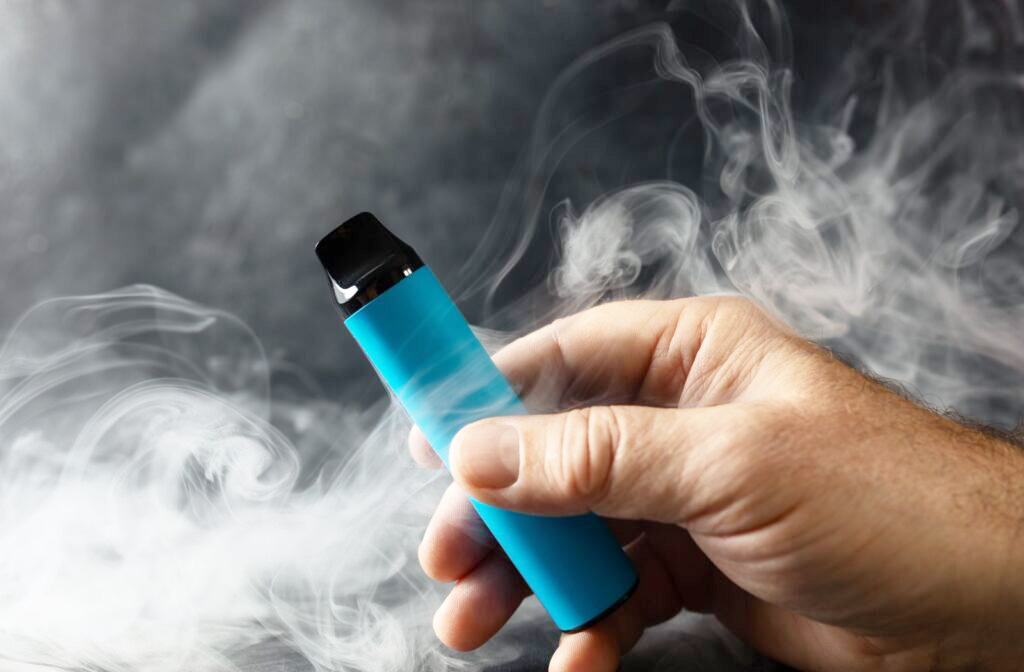
Despite a push by lawmakers to regulate or ban vaping and hubbly products, smoking continues unabated.’ Some learners are already exposed to the products in primary school. Vaping has become an increasing concern in Namibia, particularly among adolescents. Many vaping products contain highly addictive substances, such as nicotine. A vape, also commonly referred to as a ‘choef ’, is an electronic cigarette, introduced as a safer alternative to traditional smoking. However, social influence among young people has become more addictive than nicotine itself. The widespread use of ‘choef ’ has obscured the dangers smoking poses to minors and underage children. Vaping is often seen as normal, creating a false perception that it is a healthier option.
However, it has caused significant harm in society. Prices start as low as N$100, making these products easily accessible to adolescents. A life skills teacher, who requested anonymity, said they have confiscated vapes from learners at a primary school in Windhoek, adding that the situation is “really a concern”.
Vaping has become a lifestyle accessory. However, it is highly addictive and can damage the lungs, leading to breathing problems and other health complications.
Vaping does not only affect young people’s health but also poses safety risks.
When overcharged, vape devices can overheat, causing batteries to explode.
If left unattended, they can start fires that may destroy homes and lead to loss of life.
Explosions in pockets can also cause skin burns.
Vapes are especially dangerous if they catch fire or explode near flammable gases or liquids, such as oxygen cylinders or petrol at filling stations.
Traders
Employees at a vaping shop told New Era that strict control measures are in place. Customers are required to present identification when purchasing vaping products.
“No identification, no sale,” one staff member said.
“It’s difficult because some parents do not have a problem with their children using vapes. They often smoke together, ignoring the dangers these products pose to young children,” he added.
This publication spoke to three teenagers anonymously, who admitted to vaping: two 17-year-olds and a 15-year-old.
“I started smoking choef when I went to grade 9. I was 15 at the time. My friend brought it to school. I do not think I did it because of peer pressure. It is just something I saw people do, even on TV, and I wanted to try it,” one teenager said.
According to concerned quarters, society’s nonchalance toward vaping has allowed teenagers to indulge without fear of consequences, especially regarding their health.
Parents, who should be advising teenagers against the practice, seem not to be doing enough, one of the interviewed teenagers lamented.
“My parents think I stopped smoking choef because they were very angry when they found out I vape, but I enjoy it. It makes me feel nice,” said the teenager, who first tried vaping at the age of 14 when he started high school.
“Yes, my mom knows that I vape, but she doesn’t have a problem with it. It is not like its a cigarette or anything harmful to my health. It is just fun. I do not steal money to buy it. I use my own,” one teenager said.
An adult, who admitted to past drug use, anonymously said he once tried vaping and experienced sensations similar to those of the drugs he had previously used.
“These vapes are just like crack,” he said.
Lawmakers
Last year, a parliamentary standing committee recommended an import ban and prohibited the sale, hiring and use of hubbly and vaping products in Namibia.
The recommendation was brought forth by the National Council’s Standing Committee on Health, Social Welfare and Labour Affairs.
It also proposed prohibiting the sale of tobacco products to minors below the age of 18 and the open display of any hookah pipes, flavours, vapes and e-cigarettes.
The committee furthermore suggested the prohibition of advertising and marketing of all hookah pipes, flavours, vapes and e-cigarettes on all media platforms in the country.
Findings
The report found that most learners use hubbly and vapes due to peer pressure.
At some homes, hubbly is regarded as a social or fun activity.
Thus, some parents allow their children to smoke hubbly.
On the other hand, besides using it for enjoyment purposes and as a social experiment, most learners argued that it helps them relax, particularly when feeling stressed, depressed and anxious, the report found.
The committee further found that despite the escapism these instruments offer, some young users stressed that, after three to five hours of smoking hubbly or vapes, they start feeling hungry and disoriented.
Worries
Last year, Groote Schuur Hospital (Cape Town) consultant and smoking cessation expert Richard van Zyl argued that the major concern generally ignored by the vaping industry is the negative effects of nicotine, along with other vaping-produced chemicals, on the young brain and lungs.
“The adolescent brain is developing and is particularly sensitive to nicotine. Exposure to nicotine among learners is high and widespread, which should be a cause for alarm,” he highlighted.
Benchmark
In Botswana, the tobacco control law is regarded as one of the strongest pieces of legislation in Africa.
In its Government Notice of 2020 and in accordance with regulation 30G of the Emergency Powers (Covid-19) Regulations 2020, Botswana states that ‘shisha’ or hookah shall not be used, sold or hired.
The law also prohibits government partnerships with, endorsements of, or support from the tobacco industry.
This includes government incentives or privileges related to any phase of production or marketing of tobacco products, or the growing of tobacco.
– ppinehas@nepc.com.na
– lis24@gmail.com
– Additional reporting and background by Rudolf Gaiseb