

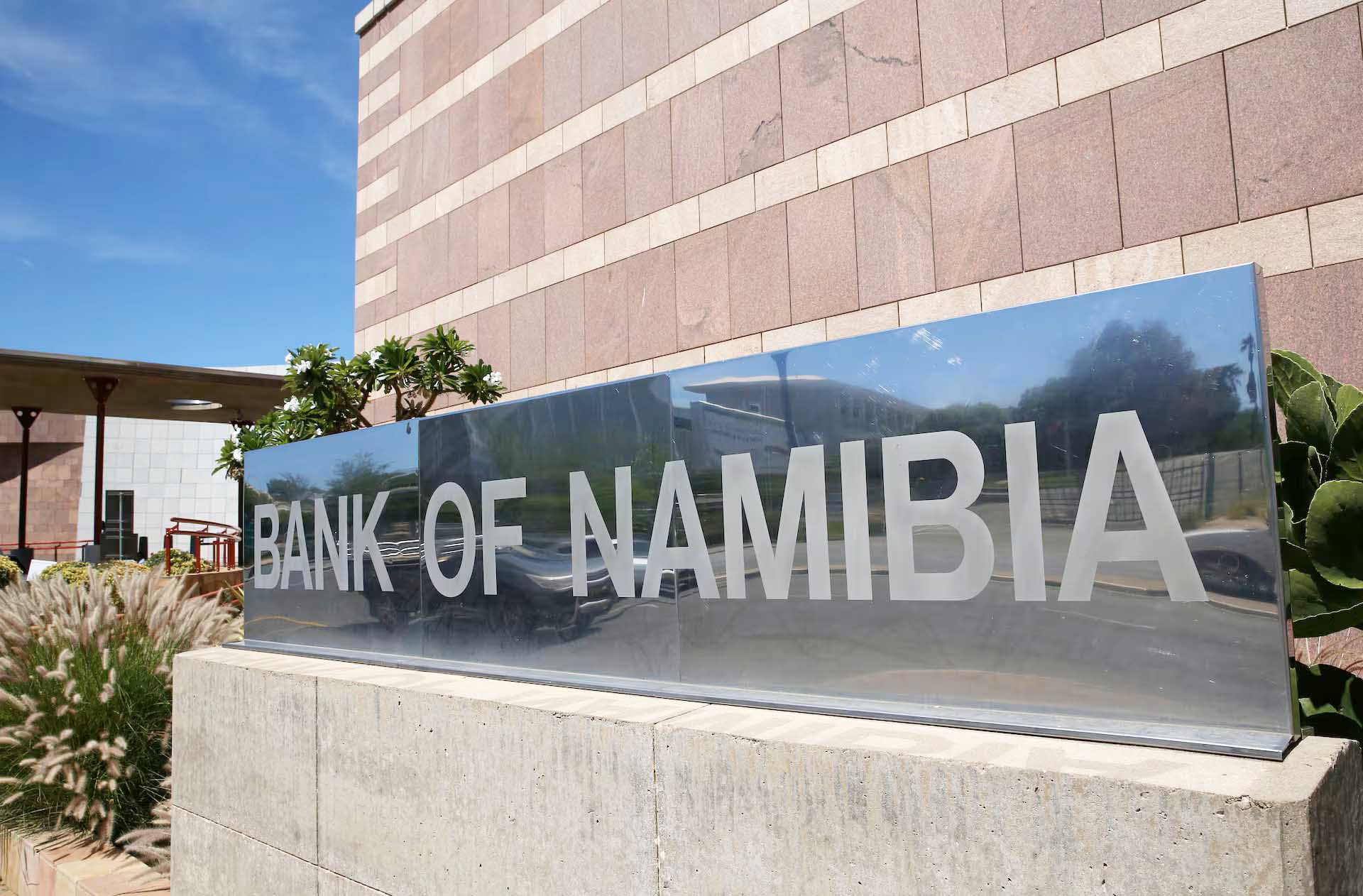

The Bank of Namibia (BoN) is scheduled to announce its latest repo rate decision today, with economists divided on whether policymakers will cut rates or hold steady.
In December, the central bank reduced the repo rate by 25 basis points to 6.50%, following the South African Reserve Bank (SARB) ‘s rate cut in November 2025. The move narrowed the interest rate differential between the two countries from 50 basis points to 25 basis points.
The repo rate is the rate at which the central bank lends to commercial banks, influencing borrowing costs, inflation, and overall economic activity.
Economist Helena Mboti said the Bank of Namibia has made it clear that narrowing the interest rate gap with South Africa remains a priority.
“Following the 25-basis point cut by the South African Reserve Bank in November 2025, the Bank of Namibia held its repo rate at 6.50% in December, reducing the interest rate differential from 50 basis points to 25 basis points,” she said. She noted that SARB kept its rate unchanged at 6.75% in January.
“Our view is that South African inflation is sufficiently contained, supported by an optimistic medium-term outlook and currency strength, giving SARB scope to frontload easing to stimulate weak GDP growth. We now expect three 25 basis point cuts from the SARB in 2026, rather than one previously anticipated,” she said.
Given the current 25 basis point gap, Mboti said the most likely scenario is that the Bank of Namibia will wait.
“Our baseline expectation is that the Bank of Namibia will keep rates unchanged until SARB fully closes the differential through further cuts. Only then would the Bank begin its own easing cycle. In this scenario, the Bank will only deliver two 25 basis point cuts in tandem with South Africa,” she said.
However, she warned of possible changes in direction. “If global central bank communication and guidance from the SARB signal a clearly established easing cycle, the Bank of Namibia could move ahead of SARB and cut rates pre-emptively, temporarily widening the differential back to 50 basis points. Policymakers may be comfortable doing so, as long as reserves remain adequate,” she said. She added that weak private sector credit extension, subdued GDP growth and improving non-performing loans provide a credible macroeconomic basis for a more assertive easing cycle.
Analyst Joseph Sheehama expects the central bank to leave the repo rate unchanged at 6.5%.
“I expect the Bank of Namibia to hold the repo rate at 6.5%, maintaining a balance between supporting growth and protecting exchange rate stability,” Sheehama said. He noted that inflation slowed to 2.9% in January 2026 from 3.2% in December, while the Namibian dollar strengthened to about N$16 per US dollar.
“Although a rate cut could ease borrowing costs and stimulate credit demand, the Bank is likely to remain cautious to safeguard price stability. Keeping rates unchanged for now while leaving the door open for a cut at the next MPC meeting seems the most prudent course,” he said.
Economist Klaus Schade said there is space for a reduction.
“I believe there is room for an interest rate cut. Inflationary pressure has eased to below 3%, the Namibian repo rate is 25 basis points lower than the South African rate compared to 50 basis points over most of the past three years, and foreign exchange reserves remain healthy to back the currency peg,” he said. He noted that private sector credit extension remains relatively low and economic growth is insufficient to create jobs.
“An interest rate cut could encourage private sector investment and increase disposable household income, which could increase demand for goods and services. In addition, the real interest rate is relatively high, which would support a repo rate cut,” he said.
Local economist Mally Likukela expects the central bank to hold steady.
“Based on underlying economic trends such as inflation, credit uptake, and the GDP growth outlook, the MPC will keep the repo rate unchanged for now,” Likukela said. He said inflation is below 3% and does not threaten the currency’s value, while slow credit uptake and high household indebtedness require stability.
“A hike will make the cost of borrowing too high and worsen the household debt situation in the country. A cut will trigger capital outflow and inflame inflation,” he said. Likukela added that with the Minister of Finance expected to table the national budget soon, it would be prudent for the central bank to wait.
“It would be wise for the Bank of Namibia to pause and see the direction of fiscal policy so they can align it better with monetary policy,” he said.
He added that the central bank’s decision is expected to set the tone for monetary policy in 2026 as Namibia balances easing inflation against weak economic growth and exchange rate stability.
-pmukokobi@nepc.com.na