

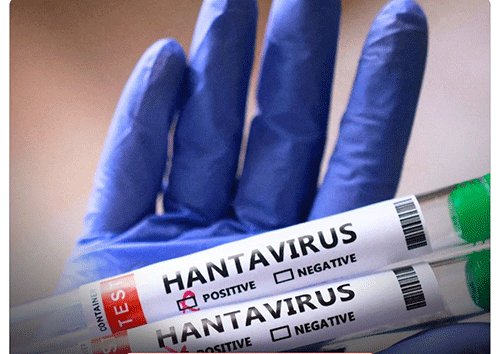

The Namibian government has assured the nation that the country remains vigilant and prepared amid growing global concerns over hantavirus outbreaks reported in parts of the world.
The government’s statement follows growing international concern after the World Health Organisation (WHO) on Wednesday last week, warned countries to remain vigilant following reported hantavirus cases in parts of the world.
According to the WHO, authorities are closely monitoring outbreaks and investigating possible transmission patterns linked to the virus. The organisation cautioned that hantavirus infections can cause severe illness and urged countries to strengthen surveillance, public awareness and early detection systems.
WHO further advised the public to avoid contact with rodents and areas contaminated by rodent droppings, urine or saliva, which remain the primary sources of infection.
In a statement issued on Friday morning, the Ministry of Health and Social Services said although Namibia has not recorded any confirmed hantavirus cases, it is actively monitoring developments at global and regional level.
“We are coordinating with local and international partners through a multisectoral approach to monitor the global health threat of hantavirus,” the ministry said.
The statement further, added that the country’s public health sector remains equipped to detect, investigate and respond to potential health threats, including outbreaks.
“Our healthcare personnel are being kept abreast of developments and relevant guidelines,” the statement read.
The ministry further assured the public that precautionary measures are already in place.
“The ministry wishes to assure the Namibian nation that, while we have not reported any case of hantavirus yet, we are keeping close monitoring globally and regionally while taking the necessary precautions,” the ministry said.
What is hantavirus?
Hantavirus refers to a group of viruses mainly spread by rodents through their urine, saliva and droppings. Humans usually become infected after inhaling contaminated particles from dried rodent waste.
Health experts say infection often occurs when people sweep or clean rodent droppings, causing contaminated particles to become airborne and inhaled. In the United States, the deer mouse is regarded as one of the most common carriers of the virus.
People can also become infected after touching contaminated surfaces and then touching their mouth or nose. In rare cases, hantavirus may spread through rodent bites or scratches.
Only one strain, known as the Andes virus, found in South America, has been linked to person-to-person transmission, although such cases remain uncommon. However, the World Health Organisation (WHO) recently indicated that some human-to-human transmission is suspected in the latest hantavirus outbreak.
Symptoms
Hantaviruses can cause two severe illnesses. The first is hemorrhagic fever with renal syndrome (HFRS), commonly found in Europe and Asia, which mainly affects the kidneys. Symptoms often begin with headaches, abdominal pain and nausea before progressing to low blood pressure, internal bleeding and, in severe cases, acute kidney failure.
According to the United States Centres for Disease Control and Prevention (CDC), between 5% and 15% of HFRS cases can be fatal.
The second is hantavirus pulmonary syndrome (HPS), mostly found in the Americas, which affects the lungs. Patients initially experience flu-like symptoms, but the illness can later develop into severe breathing difficulties and chest tightness as fluid accumulates in the lungs.
Symptoms may take between one and eight weeks to appear after exposure. The CDC says nearly 40% of patients who develop respiratory symptoms from HPS may die from the disease.
Transmission
Transmission to humans mainly occurs through contact with contaminated rodent urine, droppings or saliva. Infection can also occur through rodent bites, although this is less common.
Activities that increase the risk of exposure include cleaning enclosed or poorly ventilated spaces, farming, forestry work and sleeping in rodent-infested environments.
To date, human-to-human transmission has only been documented with the Andes virus strain in the Americas and remains rare.
Where it has occurred, transmission has generally been linked to close and prolonged contact, especially among household members or intimate partners, during the early stages of illness.
Treatment
There is currently no licensed antiviral treatment or vaccine specifically for hantavirus infection.
Medical treatment focuses on supportive care, including close monitoring and management of respiratory, cardiac and kidney complications.
Health experts say early admission to intensive care units can significantly improve survival chances, especially for patients who develop severe respiratory complications linked to hantavirus cardiopulmonary syndrome.
-mkambukwe@nepc.com.na