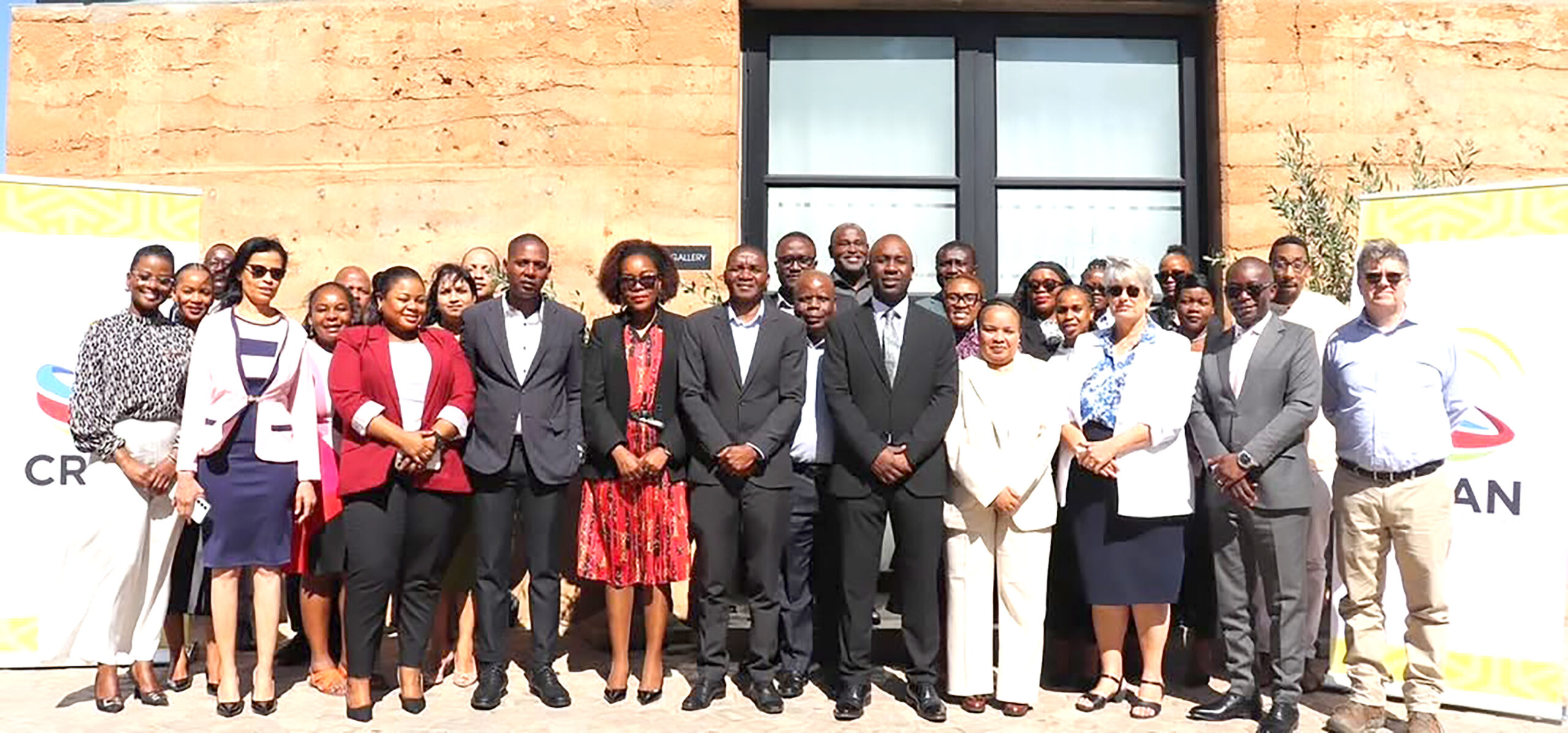

The Communications Regulatory Authority of Namibia (CRAN) hosted a joint Regional Preparatory Workshop and Postal Committee Meeting of the Communications Regulators’ Association of Southern Africa (CRASA) from 27 to 29 October 2025 in Windhoek.
This significant gathering brought together regional regulators, industry stakeholders, partners and development agencies committed to advancing the postal sector and fostering regional cooperation.
Welcoming delegates to Windhoek, CRAN’s CEO Emilia Nghikembua emphasised Namibia’s enthusiasm for collaboration and progress.
“It is an immense privilege for CRAN to host this important event in Windhoek. We value the ongoing support and engagement of all participants, whether in person or virtually, as we work together to strengthen our regional postal networks,” she stated.
The postal sector remains a crucial pillar of economic growth, facilitating trade, supporting small and medium-sized enterprises (SMEs), and increasing financial inclusion through innovative logistics and digital platforms.
As the sector advances in the digital era, postal networks more frequently connect with e-commerce, cross-border trade and last-mile delivery solutions, ensuring the safe and dependable movement of goods, information and value across borders.
CRAN has reaffirmed its commitment to regulating and promoting the development of the postal sector.
“Our mandate extends beyond licensing and enforcement to fostering an environment that stimulates investment, encourages innovation and protects consumer interests. We recognise the importance of information and communication technology and postal services convergence, which provides the digital backbone for efficient, secure and inclusive postal networks,” Nghikembua added.
CRAN highlighted the importance of regional cooperation in addressing challenges such as cross-border processes, harmonisation of regulatory frameworks, interoperability and capacity building. Collaborating through CRASA enables CRAN to share best practices, align standards and develop common approaches that facilitate trade, reduce barriers and support sustainable growth across southern Africa.