
Rudolf Gaiseb
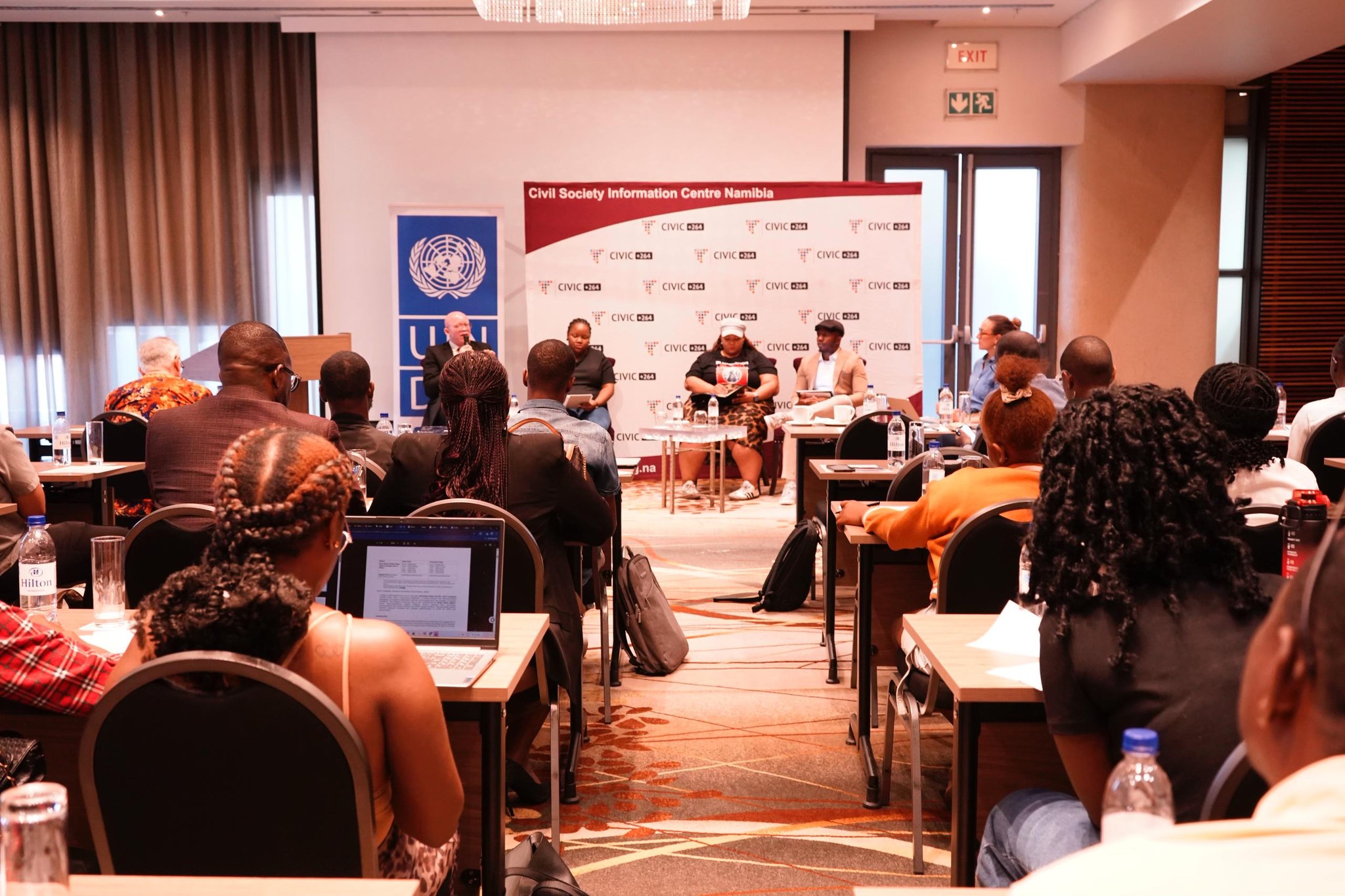
Ahead of the International Anti-Corruption Day, government, civil society and youth organisations on Friday participated in a dialogue in commemoration of the day, which is marked annually on 9 December.
This year, the day will be held under the theme “Uniting with Youth Against Corruption”.
The platform brought diverse expert voices who underscored the crucial impacts of corruption and the role of various institutions in combating this ordeal.
The participants also highlighted that more efforts are needed.
United Nations Development Programme (UNDP) deputy resident representative Christian Shingiro recognised that, despite Namibia’s strong democratic foundation, trust is slipping.
“Many young people feel the system is not working for them and the data shows we must do better,” he said.
However, he underlined that through the Namibia Development Plan Six, efforts are being pushed for transparency, stronger digital services, better accountability, and a public service that works for the people.
Shingiro also encouraged youth to use digital tools to fight corruption.
“Young people are the most powerful force against corruption. You are digital natives. You can demand transparency, track public information, expose wrongdoings, create civic tools, and mobilise communities,” he said.
Shingiro is not the only one with this thinking. Chief Education Officer Irene Garthoff said some young people perceive corruption as ‘normal’. She believes that corruption not only steals resources but also steals futures.
“Through civic education, innovation hubs, and the potential to start integrity clubs, our Ministry is committed to ensuring that every young Namibian understands the risks of corruption and the tools available to fight it,” she stated.
She added that youth-led anti-corruption initiatives must be amplified, while stronger partnerships are fostered between youth, civil society and public institutions.
Meanwhile, a panel of experts noted that moral education in schools through Life Skills, community-based civic education, and the strengthening of policies and accountability instruments remain crucial.
Anti-Corruption Commission Public Education and Corruption Prevention Officer Alexander Ngola noted that, through civic education, the institution engages the youth and educates them about the dangers of corruption and its prevention.
Namibia Media Trust project officer Shelleygen Peterson pointed out that investigative journalism remains effective in bringing corruption to light.
Peterson encouraged members of society to trust and report corruption to journalists.