
Matheus David
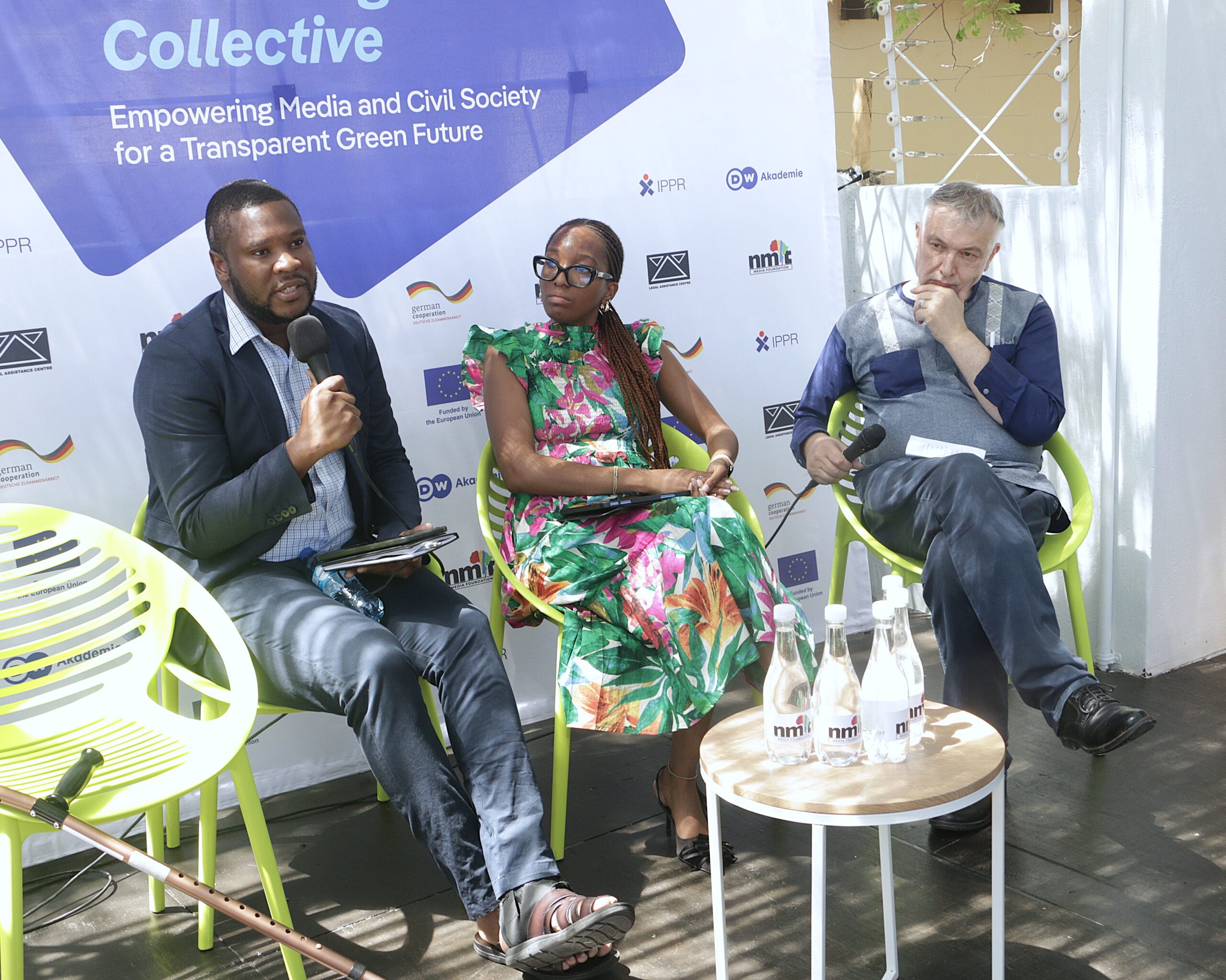
The Eco Dialogue Collective (EDC) officially launched The Green Screen initiative on Wednesday. The event brought together journalists, researchers, civil society, and development partners to welcome a new chapter in Namibia’s green future.
The objective is to make information more accessible, strengthen transparency, and help people understand what Namibia’s green transition really means.
The Green Screen is a new hub for creating, curating, and sharing content about green growth, extractive industries, energy, and environmental issues. It forms part of the European Union-funded EDC project and will support high-quality storytelling, research, and media production.
Dickson Kasote, the project lead of The Green Screen, said the initiative will give journalists and researchers new opportunities. It will serve as a practical space where journalists, students, civil society, and researchers can produce content, conduct research, and learn new media skills.
Through grants and content partnerships, it will help them produce strong environmental and transparency stories that make a real impact.
“We want to support people who are passionate about investigative work and those who care about how policies affect our communities,” he said.
Peter Deselaers, Deutsche Welle Akademie’s programme director for Namibia and Southern Africa, highlighted that Namibia is attracting major investments in green hydrogen, oil and gas, and critical minerals.
He said these developments must translate into real benefits for ordinary people. According to him, transparency, accountability, and meaningful community participation are key if the green transition is to uplift all Namibians, especially young people.
EU Ambassador to Namibia, Ana Beatriz Martins, said The Green Screen is designed to bring civil society closer to Namibia’s green future. Speaking at the launch, she explained that the hub forms part of the European Union’s 360-degree partnership with Namibia and offers a space where people can engage, learn, and shape conversations about the country’s development.
Researcher Emmanuel Muzingwani shared findings from his study at NUST, noting that Namibia needs to grow its renewable energy share by at least 7% by 2030. He highlighted the opportunity to produce around 3 200 megawatts of solar energy. However, he warned that data on energy and environmental projects is not centralised, which makes planning and decision-making difficult.
Executive director of Institute for Public Policy Research (IPPR), Graham Hopwood, stressed that access to information remains one of the strongest tools against corruption. He urged government and institutions to fully implement Namibia’s access-to-information law to strengthen public trust.
GIZ Namibia technical advisor, Suzie Shefeni, said there is a need for transparency.
She said proper safeguards must be put in place to prevent corruption in the green sector. She also noted that there must be room for individuals and organisations to participate, monitor, and hold institutions accountable.
–matheusshitongenidavid@gmail.com
Photo: Heather Erdmann